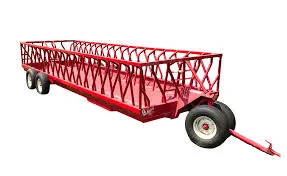
cube feeders for trucks are important tools used in agriculture and livestock farming to transport and distribute feed efficiently. These systems are designed to save time, reduce manual labor, and ensure animals receive consistent nutrition. By using trucks equipped with cube feeders, farmers can move large amounts of feed quickly from storage areas to feeding locations.
However, even though these machines are very helpful, improper use can lead to problems such as feed waste, equipment damage, and safety risks. Many farmers make small mistakes that reduce efficiency and increase costs without realizing it.
Understanding these mistakes is important for improving performance and getting the best results from cube feeders for trucks. In this article, we will explain these common errors in simple English so that anyone can understand how to avoid them and use equipment more effectively.
Understanding cube feeders for trucks and their role in modern farming operations
cube feeders for trucks are specialized systems attached to trucks that store and distribute cube or pellet feed to livestock. They are widely used in large farms where feeding animals manually would take too much time and effort.
These systems help improve feeding accuracy and speed while reducing labor requirements.
What are cube feeders for trucks?
cube feeders for trucks are equipment systems that:
- Store animal feed in bulk
- Transport feed using trucks
- Distribute feed in controlled amounts
- Reduce manual handling of feed
Why farmers use cube feeders for trucks
Farmers rely on these systems because they:
- Save time during feeding operations
- Reduce labor costs
- Improve feed distribution efficiency
- Support large scale farming
Basic working process
The process is simple:
- Feed is loaded into the truck system
- The truck transports feed to feeding areas
- The feeder system releases controlled amounts
- Animals receive evenly distributed feed
Importance in livestock farming
These systems are essential because they:
- Ensure consistent nutrition
- Improve animal health
- Increase farm productivity
Role in modern agriculture
Modern farms depend on machinery like cube feeders for trucks because they improve efficiency and reduce physical workload.
Why proper usage matters
Incorrect use can lead to:
- Feed waste
- Machine breakdowns
- Poor feeding results
Common mistakes when using cube feeders for trucks and how to avoid them
cube feeders for trucks are powerful tools, but mistakes during use can reduce their effectiveness. Many problems occur due to lack of training, poor maintenance, or improper handling.
Overloading the feeder system
One of the most common mistakes is overloading the truck feeder system.
When too much feed is loaded:
- The system becomes unbalanced
- Mechanical parts are stressed
- Fuel efficiency decreases
Ignoring weight limits
Every machine has a weight capacity.
Ignoring it can lead to:
- Damage to the truck
- Broken feeder components
- Unsafe driving conditions
Poor feed quality usage
Using low quality or damp feed can cause problems.
It may result in:
- Blockages in the system
- Uneven feed flow
- Reduced animal nutrition
Lack of regular cleaning
Many operators forget to clean the feeder system.
This can lead to:
- Feed buildup inside equipment
- Contamination of fresh feed
- Reduced machine performance
Incorrect calibration of feed output
If the feed output is not set properly:
- Animals may get too much or too little feed
- Wastage increases
- Feeding schedules become inconsistent
Skipping routine maintenance
Maintenance is often ignored, which is a major mistake.
Without maintenance:
- Parts wear out faster
- Unexpected breakdowns occur
- Repair costs increase
Poor driving practices with loaded trucks
Driving too fast or on rough paths can cause:
- Feed spillage
- Equipment damage
- Unsafe transportation
Ignoring safety guidelines
Safety rules are sometimes overlooked.
This can lead to:
- Worker injuries
- Equipment accidents
- Operational delays
Not training workers properly
Untrained workers may:
- Misuse controls
- Load feed incorrectly
- Damage sensitive components
Using incorrect feed types
Not all feeds are suitable for cube feeders for trucks.
Using wrong feed types can:
- Block dispensing systems
- Reduce flow efficiency
- Affect animal health
Failing to inspect equipment before use
Skipping pre operation checks may cause:
- Hidden mechanical issues
- Unexpected failures
- Reduced performance during feeding
Improper storage of feed
Feed stored in poor conditions may become:
- Moist
- Moldy
- Caked together
This leads to poor feeding results.
Ignoring weather conditions
Extreme weather can affect operation.
For example:
- Rain can damage feed quality
- Heat can affect machine components
How these mistakes affect farm productivity
When mistakes happen:
- Feeding becomes inefficient
- Animals may not receive proper nutrition
- Costs increase
- Productivity decreases
Best practices for using cube feeders for trucks effectively
To get the best results, farmers should follow proper practices when using cube feeders for trucks. These practices help improve efficiency, safety, and performance.
Regular maintenance and inspection
Routine checks should include:
- Inspecting mechanical parts
- Cleaning feed compartments
- Checking hydraulic systems
Proper loading techniques
Farmers should:
- Avoid overloading
- Distribute weight evenly
- Use recommended feed types
Using high quality feed
Good feed improves:
- Animal health
- Feeding efficiency
- System performance
Training operators
Proper training helps workers:
- Operate equipment safely
- Reduce mistakes
- Improve efficiency
Following safety rules
Operators should:
- Wear protective gear
- Follow instructions carefully
- Avoid risky driving behavior
Keeping equipment clean
Clean systems ensure:
- Smooth feed flow
- Better hygiene
- Longer equipment life
Monitoring feed distribution
Regular monitoring ensures:
- Accurate feeding
- Reduced waste
- Better livestock performance
Using proper storage methods
Feed should be stored in:
- Dry conditions
- Clean environments
- Proper containers
Why consistency is important
Consistent feeding helps animals:
- Grow properly
- Stay healthy
- Produce better output
Role of technology in improving performance
Modern systems include:
- Automated controls
- Digital monitoring
- Precision feeding systems
Economic benefits of proper usage
When used correctly, cube feeders for trucks help farmers:
- Save money
- Reduce labor costs
- Improve productivity
Environmental advantages
Efficient systems help reduce:
- Feed waste
- Fuel consumption
- Resource loss
cube feeders for trucks are highly useful tools in modern farming, but their effectiveness depends on proper use. Avoiding common mistakes such as overloading, poor maintenance, and incorrect feed handling can greatly improve performance and reduce costs.