
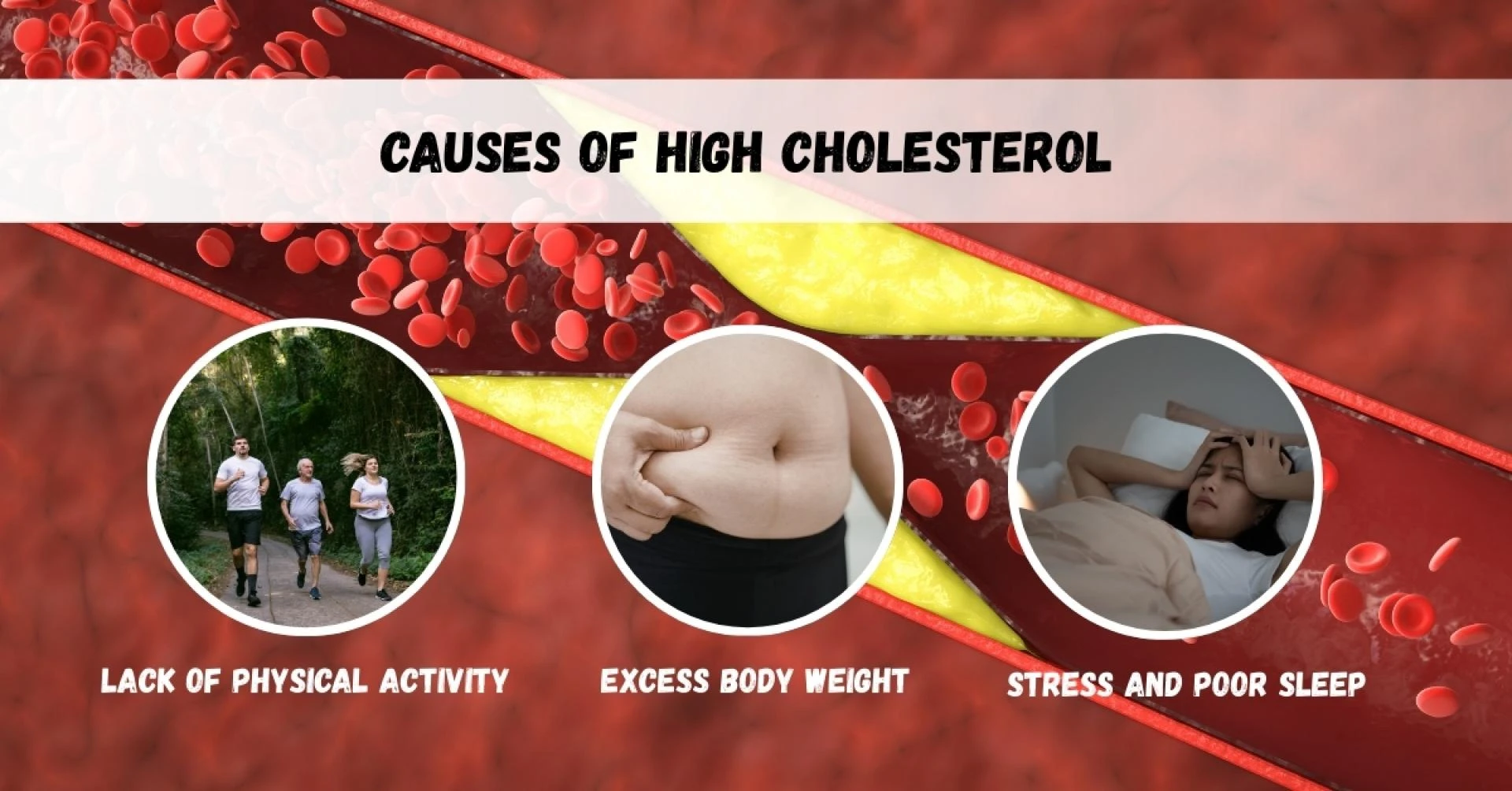
High cholesterol is a health issue that affects many people without clear warning signs. Most people feel normal and only find out after a blood test. Over time, cholesterol can build up in the blood and increase the risk of heart problems, stroke, and other serious conditions. Understanding the causes of high cholesterol is the first step toward better heart health and long-term well-being.
Cholesterol itself is not harmful. Our body needs it to make hormones and support cell function. The problem starts when cholesterol levels rise above healthy limits. Let us look at the most common reasons behind this condition and how daily habits play a role.
1. Unhealthy Eating Habits
One of the leading causes of high cholesterol is poor food choices. Diets that include fried foods, bakery items, processed snacks, red meat, and full-fat dairy can raise bad cholesterol levels. These foods contain unhealthy fats that slowly increase cholesterol in the blood.
Many people eat such foods regularly without realizing their long-term effects. Skipping fruits, vegetables, and whole grains also adds to the problem. A balanced diet supports healthy cholesterol levels, while unhealthy eating patterns push them higher over time.
2. Lack of Physical Activity
A sedentary lifestyle is another major factor among the causes of high cholesterol. When the body does not move enough, it struggles to manage cholesterol properly. Regular physical activity helps increase good cholesterol and reduce bad cholesterol.
People who sit for long hours at work or spend most of their time inactive may see their cholesterol levels rise slowly. Even simple activities like walking, stretching, or light exercise can make a positive difference when done consistently.
3. Excess Body Weight
Being overweight or obese is closely linked to the causes of high cholesterol. Extra body fat affects how cholesterol is processed in the body. It often leads to higher bad cholesterol and lower good cholesterol.
Weight gain usually comes from poor diet and low activity, but stress and sleep issues can also contribute. Losing even a small amount of weight can help improve cholesterol levels and support heart health.
4. Smoking and Tobacco Use
Smoking damages blood vessels and affects how cholesterol behaves in the body. It lowers good cholesterol and allows bad cholesterol to stick to artery walls more easily. This makes smoking one of the serious causes of high cholesterol.
Tobacco use also increases the risk of heart disease and reduces oxygen supply to the body. Quitting smoking not only helps cholesterol levels but also improves overall health and energy levels.
5. Excess Alcohol Consumption
Drinking alcohol in large amounts can raise cholesterol and triglyceride levels. While some believe alcohol is harmless, regular or heavy drinking can harm the liver, which plays a key role in managing cholesterol.
This habit often goes unnoticed as one of the causes of high cholesterol, especially when alcohol is consumed socially. Reducing alcohol intake can support better cholesterol control and reduce strain on the heart.
6. Genetics and Family History
Sometimes, high cholesterol runs in families. If close relatives have cholesterol issues, the risk increases even if lifestyle habits are healthy. Genetic conditions can cause the body to produce too much cholesterol or remove too little from the blood.
Genetics is one of the unavoidable causes of high cholesterol, but awareness helps. People with a family history should monitor their levels regularly and follow healthy habits to reduce risk.
7. Age and Hormonal Changes
As people grow older, cholesterol levels tend to rise naturally. The body becomes less efficient at processing fats, which contributes to the causes of high cholesterol. Hormonal changes, especially during menopause, can also affect cholesterol balance.
While aging cannot be stopped, healthy lifestyle choices can slow down cholesterol buildup and protect heart health over time.
Why High Cholesterol Often Goes Unnoticed
High cholesterol usually does not cause pain or visible symptoms. Many people assume they are healthy because they feel fine. This is why regular health checkups are important, especially for adults over 30 or those with risk factors.
Knowing the causes of high cholesterol helps people take early action and avoid complications later in life.
Managing Cholesterol Levels Effectively
Once cholesterol levels are high, timely care becomes important. Lifestyle changes like healthy eating, regular exercise, stress control, and proper sleep are the foundation of improvement. In some cases, doctors may suggest medical support as part of a complete high cholesterol treatment plan.
Treatment is not just about medication. It also focuses on long-term habits that support heart health and prevent future problems.
Importance of Medical Guidance
Self-care is helpful, but medical advice ensures safe and effective results. Doctors can identify the root causes, suggest tests, and guide patients with a personalized high cholesterol treatment approach. This helps manage cholesterol while reducing the risk of heart disease.
Regular follow-ups and blood tests help track progress and make adjustments when needed.
Final Thoughts
High cholesterol is common, but it is manageable with the right knowledge and daily habits. Understanding the causes of high cholesterol allows people to make better choices and protect their heart health. Small changes in diet, activity, and lifestyle can lead to big improvements over time.
Staying informed, getting regular checkups, and taking early action can help maintain healthy cholesterol levels and support a longer, healthier life.
FAQs
1. What is high cholesterol?
It means too much cholesterol in the blood, which can harm heart health.
2. What causes high cholesterol?
Poor diet, low activity, weight gain, smoking, alcohol, and family history.
3. Does high cholesterol show symptoms?
No, most people do not feel any symptoms.
4. Is high cholesterol serious?
Yes, it can increase the risk of heart disease if not managed.
5. Can food affect cholesterol levels?
Yes, unhealthy foods can raise cholesterol over time.