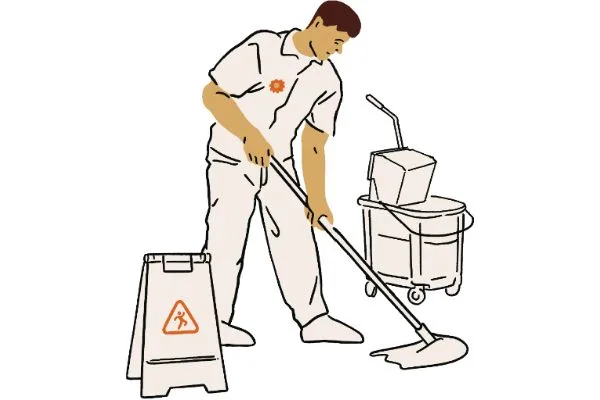
A clean business environment is about more than making floors shine or emptying waste bins. Offices, retail spaces, warehouses, commercial buildings and other workplaces deal with daily foot traffic, dust, spills, shared surfaces and constantly changing hygiene requirements. This is where a professional commercial cleaning service can provide structured support.
Instead of relying on occasional cleaning or asking employees to manage basic housekeeping, businesses can establish a consistent cleaning programme designed around their premises, operating hours and usage levels.
What Does a Commercial Cleaning Service Include?
Commercial cleaning can cover a wide range of tasks depending on the type and size of a property. A typical programme may include:
- Vacuuming and mopping floors
- Dusting desks, furniture and accessible surfaces
- Cleaning glass doors and partitions
- Emptying and managing waste bins
- Cleaning toilets and washroom facilities
- Maintaining pantry and common areas
- Cleaning high-touch surfaces
- Removing stains and visible dirt
- Periodic deep cleaning
- Carpet and upholstery cleaning
- Floor care and maintenance
The exact scope should be agreed before work begins. A detailed cleaning specification helps both the business and service provider understand which areas require attention, how frequently they should be cleaned and what standard is expected.
Singapore's National Environment Agency (NEA) provides guidance on cleaning procedures, productivity indicators and performance-based cleaning contracts, highlighting the importance of clearly defined cleaning outcomes and service expectations.
Why Businesses Need More Than Occasional Cleaning
A workplace can look clean while still having areas that receive insufficient attention. Door handles, lift buttons, pantry surfaces, washrooms and other frequently touched areas can require more regular cleaning than low-traffic spaces.
NEA guidance recommends considering factors such as surface touch frequency, usage levels, contamination risk and the vulnerability of people using a space when determining cleaning frequency.
This means there is no universal cleaning schedule suitable for every business.
A small office with limited daily traffic may need a different programme from a busy retail outlet, school, warehouse or commercial building.
Cleaning Frequency Should Match the Workplace
One of the most important decisions is determining how often different areas need to be cleaned.
A practical programme can divide tasks into several categories:
Daily Cleaning
Routine cleaning may cover floors, washrooms, waste disposal, pantry areas and commonly touched surfaces.
Weekly Maintenance
Certain areas may benefit from more detailed dusting, floor maintenance, glass cleaning or other scheduled tasks.
Periodic Deep Cleaning
Deep cleaning can address areas that are not included in everyday routines, such as carpets, upholstery, difficult-to-reach surfaces and selected floor treatments.
The frequency should be based on actual usage rather than simply following a fixed schedule. High-traffic areas generally require greater attention than spaces that are rarely occupied.
How Professional Cleaning Supports Workplace Standards
A structured cleaning programme can help businesses maintain a more consistent workplace environment. Professional cleaners can follow defined procedures, use appropriate equipment and work according to an agreed schedule.
For businesses, consistency is particularly important. A cleaning service should not simply complete tasks; it should provide a measurable standard that can be reviewed over time.
NEA resources include guidance for evaluating cleaning performance and developing performance-based contracts, allowing service buyers to establish expectations and monitor service quality.
What Should You Check Before Hiring a Cleaning Company?
Choosing a cleaning provider should involve more than comparing monthly prices. Businesses should consider several practical factors.
1. Scope of Services
Ask exactly what is included. Check whether the quotation covers washrooms, pantry areas, waste disposal, floors, high-touch surfaces and periodic cleaning.
2. Cleaning Schedule
Understand which tasks are performed daily, weekly or periodically. A clearly documented schedule makes expectations easier to manage.
3. Staff Training
Cleaning personnel should understand safe working practices, appropriate equipment use and cleaning procedures for different surfaces.
4. Quality Monitoring
Ask how completed work is inspected. Checklists, supervisor inspections and performance reviews can make service quality easier to track.
5. Response to Additional Requests
Spills, unexpected messes and special cleaning requirements can happen outside the regular schedule. A provider should have a clear process for handling such requests.
6. Equipment and Cleaning Products
Find out whether the provider supplies the necessary equipment and cleaning materials and whether the products are suitable for the surfaces being maintained.
Don't Choose a Cleaning Service Based Only on Price
A low quotation may appear attractive initially, but price alone does not explain the actual value of a cleaning contract.
Businesses should compare quotations based on the scope of work, cleaning frequency, manpower, supervision, equipment, response arrangements and quality-control procedures.
A useful quotation should make it possible to understand what the business is paying for rather than simply presenting a single monthly figure.
Create Clear Cleaning Expectations
One of the easiest ways to improve a cleaning arrangement is to define the expected result.
For example, instead of simply requesting "floor cleaning," a business could specify the areas to be cleaned, required frequency, acceptable cleanliness standards and inspection process.
This approach creates a clearer relationship between the service provider and the business. It also makes it easier to identify whether a missed task is an isolated issue or part of a recurring problem.
Consider Sustainability Too
Businesses are increasingly paying attention to the environmental impact of their workplace operations. Cleaning programmes can incorporate responsible practices such as efficient water use, appropriate chemical selection, reusable cleaning materials and responsible waste management.
Sustainable cleaning does not mean compromising cleanliness. Instead, businesses can look for methods that balance effective cleaning with sensible resource use.
A Cleaner Workplace Starts With the Right Plan
A successful cleaning programme is built around the actual needs of a workplace. The right approach considers traffic levels, building layout, surface types, high-touch areas, operating hours and the type of business being carried out.
Whether it is a corporate office, retail outlet, warehouse or commercial facility, a well-planned commercial cleaning service can help maintain consistent standards without making cleaning an additional responsibility for employees.
Rather than asking only, "How much does cleaning cost?", businesses should also ask, "What cleaning standard will we receive, how will it be measured, and how will the service adapt to our needs?"
That shift in perspective can make it easier to create a cleaning programme that is practical, consistent and suited to the workplace.