
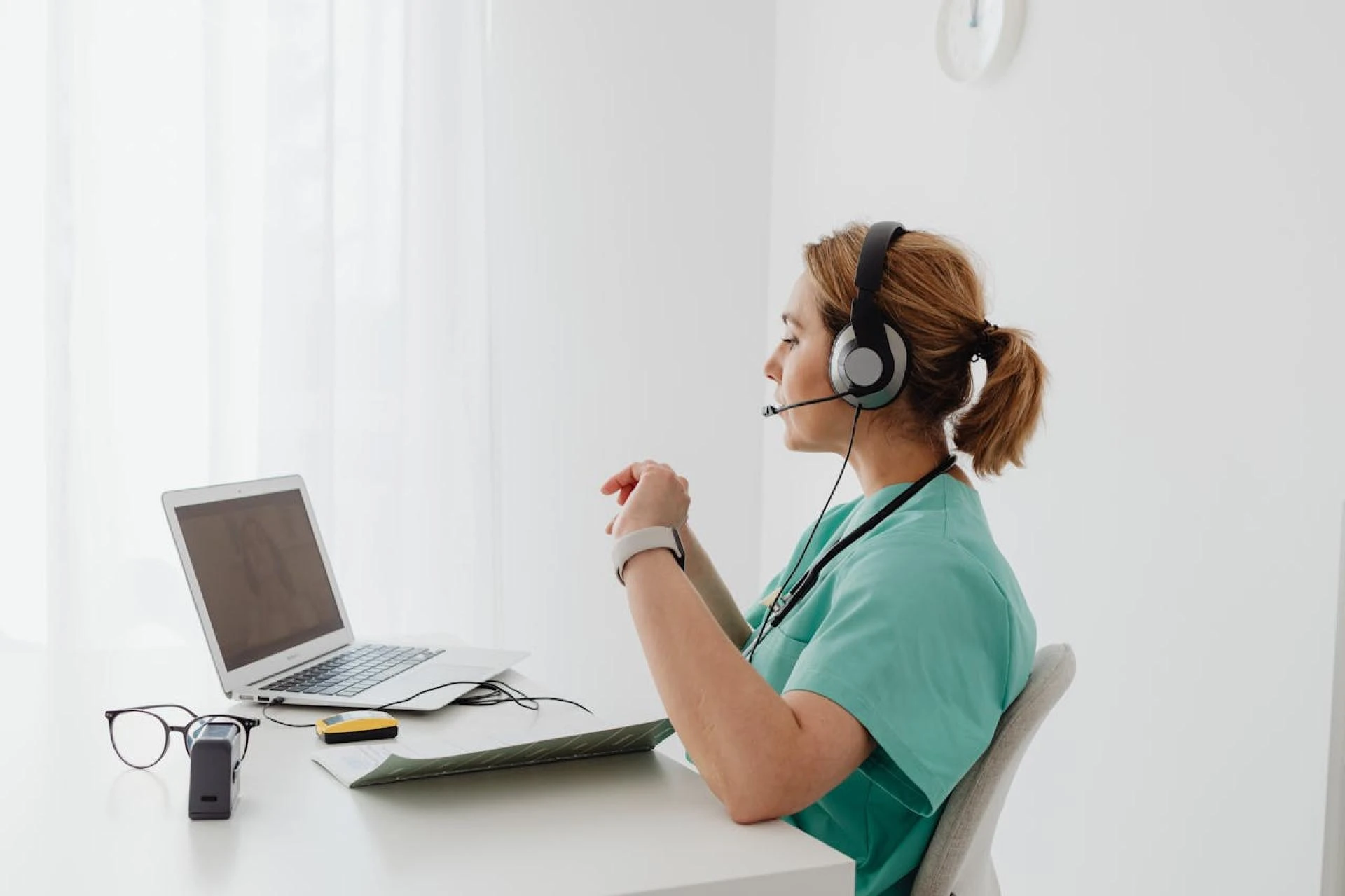
The scene of healthcare and mental health support has changed dramatically in recent years. The emergence of virtual recovery programs allowing people to recover from the comfort of their own homes is one of the most important developments. Remote programs provide a secure, adaptable, and highly accessible option regardless of someone's physical injuries, chronic diseases, mental health issues, or drug use disorders. Virtual programs have changed the approach individuals take to recovering by combining expert treatment with the simplicity of at-home recovery.
Personalized Support in a Comfortable Environment
Getting well in the comfort of one's own home is a major perk of healing from home. For many, the chilly or impersonal atmosphere of hospitals and treatment facilities can worsen emotional pain or stress. Virtual programs let patients get expert advice free from the extra burden of adjusting to a new place. Better relaxation follows from this, and this is usually quite necessary for healing.
Flexibility that Adapts to Individual Needs
Programs for virtual healing give unparalleled flexibility. Traditional recovery sometimes calls for strict plans, time away from family or employment, and practical difficulties like transportation. Virtual programs, on the other hand, are meant to fit very well into daily life, therefore lowering obstacles and increasing treatment availability.
Consistent Access to Professional Care
Virtual recovery programs also have great power in their ability to give continuous, consistent access to expert treatment. Patients can stay in touch with their care team through planned video calls, chat services, or mobile apps, even following a hospital discharge or the end of an initial treatment period. Regular visits and digital monitoring can help spot issues early on and modify therapy as necessary. This keeps minor problems from turning into more major ones.
Real-Time Recovery for Addiction Treatment
Virtual programs have had an especially great influence in the field of addiction recovery. Stigma, privacy issues, or a lack of nearby facilities make many people struggling with substance use to show up for in-person treatment. Effective care still comes from virtual addiction treatment, a private and judgment-free substitute.
Encouraging Long-Term Healing and Independence
The ability of virtual healing to build long-term independence is maybe one of its most powerful advantages. Healing at home inspires people to participate actively in their medical management. Patients become more informed and empowered on their journey with resources, including guided self-care routines, instructional videos, and mobile apps tracking progress.
Virtual classes enable people to acquire useful, environmentally friendly skills for daily living. These courses offer strategies people may apply even after official therapy finishes, whether they are learning to manage chronic pain, enhance mobility following surgery, or cope with stress. This lowers the chance of relapse or reinjury and helps one to enter daily life more smoothly.
Conclusion
Healing at home with virtual programs marks a new direction in recovery treatment where convenience, compassion, and creativity come together. These programs remove many of the challenges that once made recovery difficult and recognize every person's particular requirements. From mental health assistance and beyond to addiction recovery, virtual platforms give people access, privacy, and a sense of control that helps them to heal on their own terms. More individuals adopting this strategy makes it abundantly evident that recovery's future is not simply virtual; it is also more comfortable, more intimate, and more hopeful.