Colon cancer may develop when cells in the colon undergo abnormal changes and begin to grow and divide without normal control. There is usually no single reason why this happens. A combination of age, genetics, family history, lifestyle and certain health conditions may influence a person's risk. Understanding colon cancer causes can help people recognise possible risk factors and make healthier choices for long-term wellbeing.
The colon is part of the large intestine and plays an important role in processing waste and absorbing water from digested food. When abnormal cells continue to multiply, they may form a growth that can become cancerous.
Some risk factors cannot be changed. Age, family history and inherited genetic conditions are examples. However, other factors are related to everyday habits and may be modified. Regular physical activity, a balanced diet, healthy weight management, avoiding tobacco and limiting alcohol can all contribute to a healthier lifestyle.
What Are the Main Colon Cancer Causes?
Colon cancer can be associated with several different risk factors. These factors do not mean that a person will definitely develop cancer, but they may increase the likelihood of developing the condition.
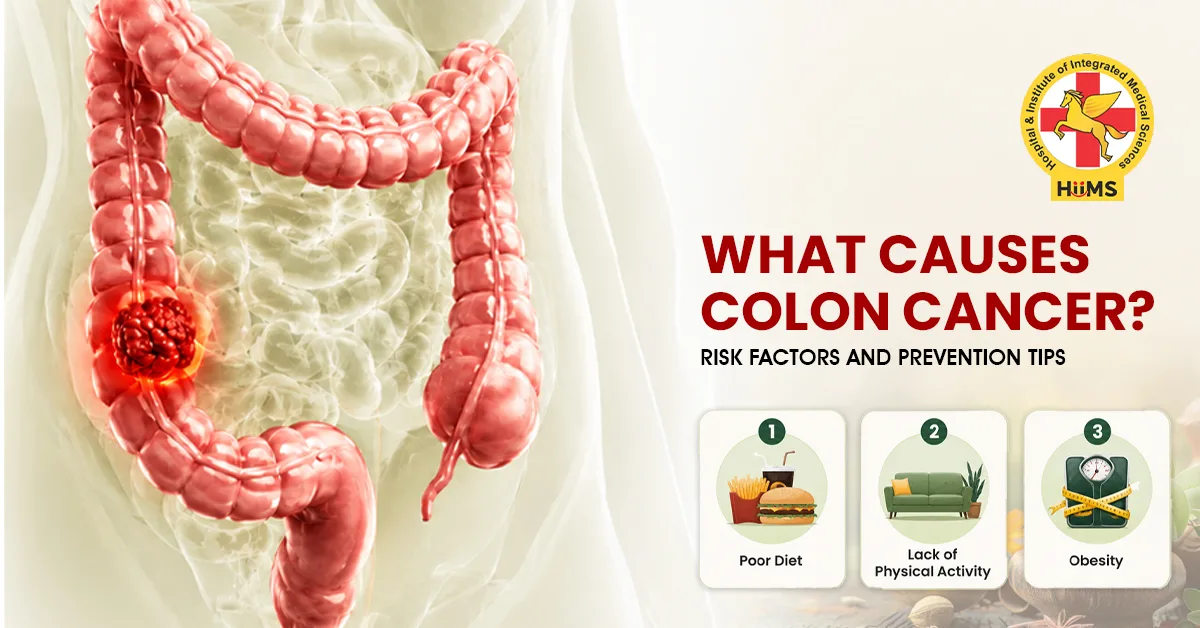
Some commonly recognised colon cancer causes and risk factors include:
- Older age
- A family history of colorectal cancer
- Certain inherited genetic conditions
- A personal history of some types of colon polyps
- Certain long-term inflammatory bowel conditions
- Overweight or obesity
- Physical inactivity
- Smoking and tobacco use
- Regular or heavy alcohol consumption
- Frequent consumption of processed meat
In many cases, risk develops over a long period and may involve more than one factor. Therefore, understanding your personal risk profile is more useful than looking for one specific cause.
Can Your Diet Affect Colon Cancer Risk?
Diet is an important part of overall health and can also be considered when discussing colon cancer causes. A varied diet containing fibre-rich foods can support healthy digestion and regular bowel movements.
Good sources of fibre include:
- Vegetables
- Fresh fruits
- Beans and lentils
- Whole grains
- Nuts and seeds
Regularly eating large amounts of processed meat has been associated with a higher risk of colorectal cancer. Higher intake of red meat may also be linked with increased risk. However, eating one particular food does not mean that it directly causes colon cancer. Overall eating habits and long-term dietary patterns are more relevant.
Choosing freshly prepared meals, including a variety of plant-based foods and avoiding excessive amounts of highly processed foods can be practical steps toward a balanced diet.
Lifestyle Habits That May Influence Risk
Daily lifestyle can play an important role in maintaining overall health. Some habits have been associated with a higher risk of colorectal cancer.
These may include:
- Sitting for long periods without regular movement
- Not getting enough physical activity
- Regular tobacco use
- Frequent alcohol consumption
- Long-term weight gain
- Frequently choosing highly processed foods
A healthier routine does not require sudden or extreme changes. Taking regular walking breaks, staying physically active, preparing more meals at home and maintaining a healthy weight can be practical ways to improve daily habits.
Does Family History Increase Colon Cancer Risk?
Family history is an important factor when considering colon cancer causes. A person may have a higher risk if a close family member, such as a parent, brother, sister or child, has had colorectal cancer.
Certain inherited genetic conditions can also increase the likelihood of developing colorectal cancer. However, having a family history does not mean that cancer is certain to occur.
Knowing your family's medical history can help you understand whether you may have additional risk factors. If colorectal cancer or certain bowel conditions have affected close relatives, discussing your risk and screening options with a qualified healthcare professional can be helpful.
How Does Age Relate to Colon Cancer?
Age is another important risk factor. The likelihood of colorectal cancer generally increases with advancing age, although younger adults can also develop the condition.
Because age is something that cannot be changed, other areas of health may deserve greater attention. Maintaining regular physical activity, eating a balanced diet, avoiding tobacco and managing body weight are examples of lifestyle choices that can support overall health.
Age should also not be used as a reason to ignore unusual bowel symptoms. Persistent changes should be properly evaluated regardless of a person's age.
Warning Signs of Colon Cancer
Colon cancer may not always cause noticeable symptoms during its early stages. When symptoms do appear, they can sometimes be mistaken for common digestive problems.
Possible colon cancer symptoms include:
- A lasting change in bowel habits
- Blood in the stool
- Ongoing abdominal discomfort or pain
- Unexplained weight loss
- A feeling that the bowel has not emptied completely
- Persistent weakness or tiredness
These symptoms can have many possible causes and do not automatically indicate colon cancer. However, symptoms that continue, become unusual or worsen should be discussed with a qualified healthcare professional.
What Are Colon Cancer Stages?
When colon cancer is diagnosed, doctors use staging to describe how far the cancer has developed. The colon cancer stages help indicate whether the cancer is limited to the colon or has spread into nearby tissues or other parts of the body.
The stage is determined through medical evaluation and appropriate diagnostic tests. It provides important information that healthcare professionals use when developing an individual treatment and care plan.
Understanding the stage can therefore help patients and families better understand the condition and discuss suitable medical options with their healthcare team.
Practical Ways to Lower Certain Risk Factors
Not every risk factor can be prevented, but some lifestyle-related factors can be addressed through healthier habits.
Consider these practical steps:
- Choose fibre-rich foods: Include vegetables, fruits, pulses and whole grains in your meals.
- Stay active: Walking, yoga, stretching and other suitable physical activities can help reduce prolonged inactivity.
- Maintain a healthy weight: Regular movement and balanced meals can support healthy weight management.
- Avoid tobacco: Not smoking can reduce exposure to tobacco-related health risks.
- Limit alcohol: Reducing alcohol intake can be beneficial for overall health.
- Reduce highly processed foods: Choose fresh and minimally processed foods more often.
- Pay attention to bowel changes: Persistent changes should be evaluated rather than ignored.
- Follow recommended screening: Screening recommendations may vary according to age, family history and individual risk.
Healthy habits cannot guarantee that colon cancer will be prevented. However, they can support overall health and may help reduce certain modifiable risk factors.
Ayurveda and Healthy Daily Habits
Ayurveda places importance on food choices, digestion, daily routine, physical activity, sleep and overall lifestyle balance. At Jeena Sikho HiiMS, these areas may be considered as part of a broader wellness-focused approach.
Simple habits such as eating suitable foods, maintaining regular routines and staying physically active can contribute to general wellbeing. However, Ayurveda or lifestyle practices should not replace appropriate medical evaluation when someone has persistent bowel symptoms or concerns about cancer.
Anyone experiencing unusual or lasting symptoms should seek advice from a qualified healthcare professional for proper assessment.
Conclusion
There is no single explanation for colon cancer causes. Risk may be influenced by age, family history, inherited genetic factors, certain bowel conditions, excess body weight, physical inactivity, smoking, alcohol consumption and dietary patterns.
Some of these factors cannot be changed, but lifestyle choices can still play a valuable role in supporting overall health. Eating a varied and balanced diet, staying physically active, maintaining a healthy weight, avoiding tobacco and limiting alcohol are practical habits to consider.
Being aware of family history and recognising persistent changes in bowel habits are also important. If you notice blood in the stool, unexplained weight loss, ongoing abdominal discomfort or lasting bowel changes, consult a qualified healthcare professional for appropriate evaluation and guidance.