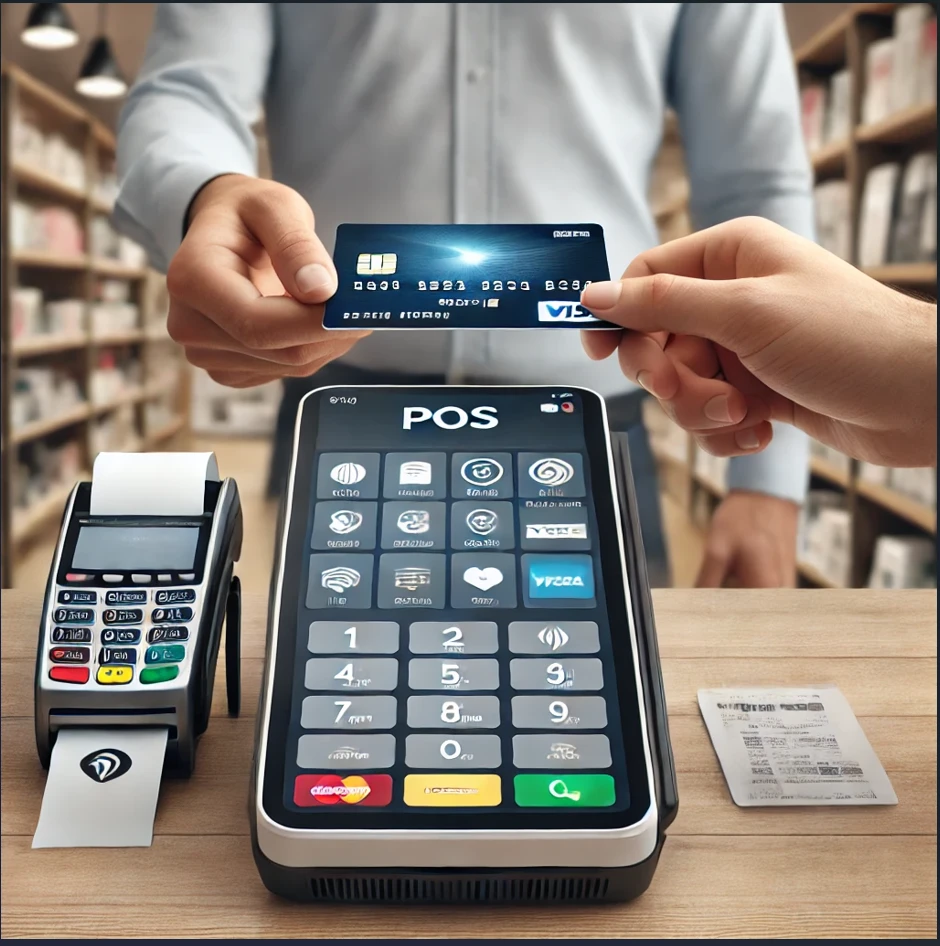
As payment technology continues to evolve rapidly, cloud POS terminals are emerging as the foundation of modern point-of-sale systems in 2026. Unlike traditional POS terminals that rely on on-site configuration, manual updates, and local data storage, cloud-based POS systems operate within a connected ecosystem where transactions, device settings, software updates, and reporting are managed centrally through the cloud. This shift allows merchants, ISOs, and ISVs to operate more efficiently, scale faster, and adapt instantly to changing business and customer needs.
A cloud POS system goes beyond basic payment acceptance by connecting terminals to a centralized cloud platform that manages menus, pricing, taxes, configurations, and real-time reporting across all locations. Because data and logic live in the cloud rather than on individual devices, updates are deployed automatically without merchant downtime, and new terminals can be shipped ready to transact as soon as they are powered on. This model eliminates version mismatches, reduces operational errors, and ensures consistency across every device and location.
Traditional POS terminals were designed for a slower, more static business environment where software changes were infrequent and support was handled locally. In today’s multi-location, mobile, and omnichannel landscape, those systems struggle to keep up. Manual provisioning, on-site troubleshooting, and fragmented reporting increase costs for ISOs and create friction for merchants. Cloud POS terminals solve these limitations by enabling remote provisioning, centralized control, real-time diagnostics, and unified reporting—dramatically improving reliability, uptime, and support efficiency.