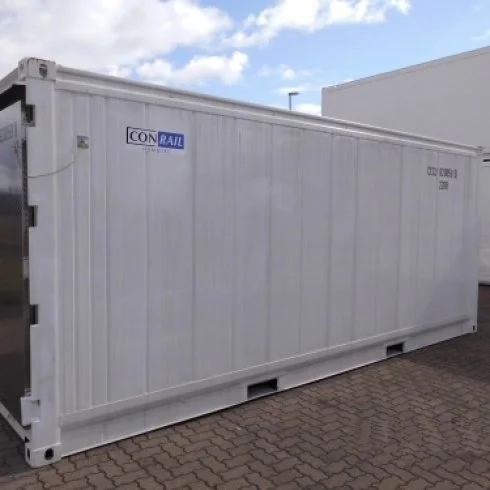
When it comes to storing your valuable possessions, not all storage solutions are created equal. For many homeowners, business owners, and even college students, a climate controlled storage unit can provide the optimal environment to preserve belongings that are sensitive to temperature and humidity changes. In this article, we’ll explore what climate controlled storage is, who needs it, what can be stored in it, and why it may be worth the slightly higher cost.
What Is Climate Controlled Storage?
A climate controlled storage unit is a type of self-storage facility where the temperature and humidity levels are regulated to remain within a consistent range year-round. These units are typically kept between 55°F and 80°F, with humidity levels generally kept below 60%. The goal is to protect sensitive items from extreme temperatures, moisture, and other environmental threats such as mold, mildew, and pests.
While traditional storage units are fine for storing outdoor equipment, tools, or items not easily damaged by weather fluctuations, climate controlled storage is ideal for items that need a more stable environment.
Benefits of a Climate Controlled Storage Unit
1. Protection from Temperature Extremes
In many parts of the country, seasonal temperature fluctuations can be severe. Items such as wooden furniture, electronics, and vinyl records can expand, contract, warp, or crack in extreme heat or cold. A climate controlled storage unit maintains a consistent temperature, helping to prevent these forms of damage.
2. Humidity Control
Humidity can be just as damaging as heat or cold. Moisture can cause mold, mildew, and corrosion—especially in items made of fabric, paper, or metal. Many climate controlled storage facilities also control humidity, making them ideal for storing items like musical instruments, photographs, documents, and artwork.
3. Improved Air Quality
Since climate controlled storage units are usually inside buildings with better ventilation, they often have cleaner air than traditional storage units. This is beneficial for items like clothing, upholstery, or any materials that can absorb odors or contaminants from the air.
4. Pest Protection
Indoor climate controlled storage tends to be more secure against pests like rodents and insects. The sealed environment and better facility maintenance standards help reduce the risk of infestations that can damage stored items.
5. Added Security
Because climate controlled storage units are typically housed within a building, they often offer enhanced security features such as controlled access, video surveillance, and on-site staff.
What Items Should Be Stored in Climate Controlled Storage?
Not everything you own needs climate controlled storage, but for some items, it’s essential. Here are a few examples of belongings that benefit most from a climate controlled storage unit:
- Electronics: TVs, computers, and stereo systems are sensitive to extreme temperatures and humidity.
- Wooden Furniture: Can warp, crack, or rot when exposed to fluctuations in temperature and moisture.
- Musical Instruments: Pianos, guitars, violins, and brass instruments are all vulnerable to warping or corrosion.
- Photographs and Documents: Paper is extremely sensitive to humidity and can easily mold or fade.
- Artwork and Antiques: Both require a stable environment to preserve their condition and value.
- Clothing and Fabrics: Especially if they’re valuable or vintage, these items can attract mold or mildew in damp environments.
- Mattresses and Upholstered Furniture: Mold growth and fabric degradation are common in unregulated environments.
Who Needs Climate Controlled Storage?
Not everyone requires climate controlled storage, but if you fall into one of the following categories, it may be a wise investment:
- Collectors: If you collect valuable items like wine, comic books, stamps, or coins, you need a controlled environment to preserve their quality.
- Business Owners: Companies that store inventory, documents, or equipment may need a reliable space that ensures protection over time.
- College Students: During summer break, storing your dorm room furniture and electronics in a climate controlled storage unit ensures it remains in great shape when you return.
- Homeowners in Transition: Whether you're moving, downsizing, or remodeling, temporary storage of temperature-sensitive items is safer in a controlled environment.
How Much Does Climate Controlled Storage Cost?
Generally, a climate controlled storage unit costs about 20% to 50% more than a standard unit. Prices vary depending on location, unit size, and facility amenities. However, when you're storing high-value or sensitive items, the added cost is a small price to pay for peace of mind and protection.
Choosing the Right Climate Controlled Storage Facility
When selecting a facility, consider the following:
- Cleanliness and Maintenance: Visit the facility to ensure it’s clean and well-maintained.
- Access Hours: Make sure it offers convenient access, especially if you’ll need frequent entry.
- Security Features: Look for video surveillance, gated access, and secure locks.
- Customer Reviews: Read online reviews to gauge the experiences of other customers.
- Insurance Options: Ask if the facility offers insurance or if your homeowners/renters policy covers stored items.
Final Thoughts
A climate controlled storage unit is an excellent option when you're storing items that can be damaged by heat, cold, or humidity. While it may cost more than a traditional unit, the added protection is often worth the investment, especially when dealing with valuable or irreplaceable possessions.
Whether you’re storing family heirlooms, seasonal wardrobe pieces, or sensitive business files, climate controlled storage ensures your belongings stay in the same condition as the day you packed them away.