
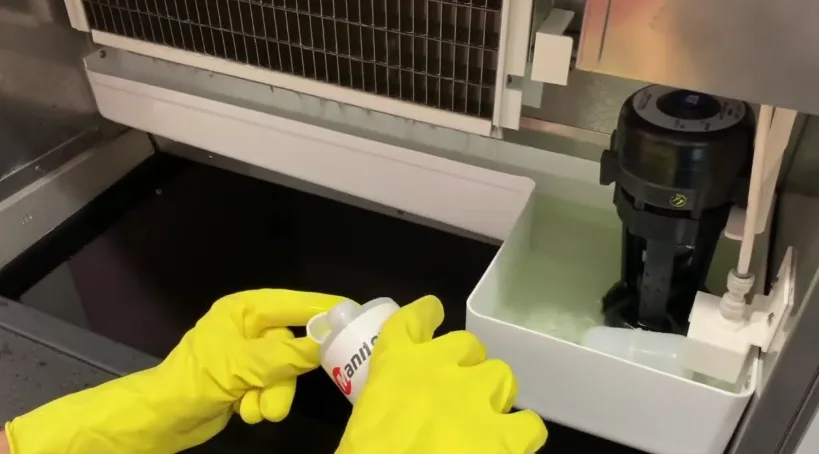
Dirty ice can cause serious health risks, and many people do not realize it. Ice is considered food, so it must be clean and safe at all times. If your system is not properly maintained, bacteria and mold can grow inside without you noticing. You may still see clear ice, but it may not be safe to use.
In this guide, you will learn how to clean, maintain, and protect your machine. You will understand simple steps, real risks, and proven methods to keep your system hygienic and efficient for daily use.
Why Hygiene Matters in Ice Production
An ice machine works every day and handles water that can carry impurities. If not cleaned regularly, it becomes a place for bacterial growth. According to food safety authorities, contaminated ice can spread illness just like contaminated food.
Hygiene is not only about safety. It also affects taste, smell, and machine performance. A clean system produces better ice and lasts longer.
Regular maintenance helps you avoid costly repairs and ensures safe output every time.
Common Problems Caused by Poor Maintenance
Many users ignore early signs of problems. This leads to bigger issues later.
Here are common risks when you skip machine cleaning
- Mold and slime buildup inside the unit
- Bad-tasting or cloudy ice
- Reduced ice production
- Higher energy consumption
- Health risks from bacterial contamination
A neglected machine can lose up to 20 percent of its efficiency over time based on industry maintenance studies.
How Often Should You Clean Your Ice Machine
Cleaning frequency depends on usage and environment. However, general recommendations are simple
- Light use requires cleaning every 3 to 6 months
- Commercial use requires cleaning every 1 to 2 months
- High-humidity areas require more frequent checks
- Regular machine cleaning ensures your system runs smoothly and safely.
- Ignoring these timelines increases the risk of contamination and breakdown.
Step-by-Step Cleaning Process
Cleaning your system is not complicated if you follow the right steps
Step 1: Turn Off and Empty the Machine
Switch off the machine and remove all ice. This prevents contamination during cleaning.
Step 2: Remove Internal Parts
Take out removable parts like trays and filters. Wash them separately using warm water.
Step 3: Apply Cleaning Solution
Use a safe cleaning solution designed for ice systems. Avoid harsh chemicals that can damage parts.
Step 4: Scrub and Rinse
Clean all internal surfaces carefully. Rinse thoroughly to remove any residue.
Step 5: Sanitize the System
Use a food-safe sanitizer to kill bacteria and mold. This step is critical for hygiene.
Step 6: Reassemble and Restart
Put all parts back and restart the system. Allow it to run before using the ice.
This full machine cleaning process ensures safe and clean operation.
Role of Water Quality in Ice Hygiene
Water quality directly affects ice safety. If the input water is not clean, your ice will not be safe either.
Using filtered water improves both hygiene and taste. It also reduces mineral buildup inside the ice machine.
Many modern systems combine ice and water filtration to maintain consistent quality. This helps reduce maintenance needs and improves overall performance.
Poor water quality can lead to scale buildup, which reduces efficiency and increases cleaning frequency.
Maintenance Checklist for Long-Term Hygiene
Regular maintenance keeps your system in top condition.
Follow this simple checklist
- Clean the machine regularly
- Replace filters as recommended
- Check water lines for leaks
- Inspect for mold or unusual smells.
- Keep the surrounding area clean
Consistent machine cleaning helps prevent major issues and ensures long-term reliability.
Real-World Impact of Regular Cleaning
Many businesses have improved performance by following proper maintenance routines.
Restaurants that clean their systems regularly report
- Up to 30 percent better efficiency
- Lower energy costs
- Improved customer satisfaction
Neglected systems often lead to complaints about taste and hygiene.
A clean ice machine supports both safety and business reputation.
Comparison Table for Cleaning and Maintenance
FactorClean SystemDirty SystemIce QualityClear and safeCloudy and unsafeHealth RiskLowHighEnergy UseEfficientIncreased consumptionMaintenance CostLowHigh repair costsLifespanLongerShorterProduction SpeedConsistentReduced outputThis comparison shows how important machine cleaning is for both safety and performance.
Signs Your Ice Machine Needs Immediate Cleaning
You should never ignore warning signs.
Look for these indicators
- Ice has a bad smell
- Ice looks cloudy or soft
- The machine makes an unusual noise
- Production slows down
- Visible slime or buildup
If you notice any of these signs, your ice machine needs cleaning immediately.
Preventive Tips for Maximum Hygiene
Prevention is easier than repair.
Follow these simple tips
- Always use clean water sources
- Keep the area around the machine dry
- Avoid touching ice with bare hands
- Schedule regular inspections
- Train staff on hygiene practices
Using an ice vending machine with built-in filtration can also reduce contamination risks and improve consistency.
These small steps make a big difference in long-term hygiene.
Cost Benefits of Proper Maintenance
Many people think cleaning is an extra cost. In reality, it saves money.
Regular machine cleaning reduces
- Repair expenses
- Energy bills
- Replacement costs
Studies show that preventive maintenance can reduce total operating costs by up to 25 percent.
A clean system works faster and uses less power.
Key Takeaways
- Ice is food and must be kept clean at all times
- Regular machine cleaning prevents bacteria and mold
- Clean systems produce better ice and last longer
- Water quality plays a major role in hygiene
- Preventive maintenance saves money and improves efficiency
Final Thoughts
Keeping your system clean is not optional. It is essential for safety, performance, and long-term savings. A well-maintained machine produces clean ice, reduces risks, and improves reliability every day. Simple habits like regular cleaning, filter replacement, and proper inspection can prevent major problems.
If you want consistent quality and peace of mind, follow a structured maintenance routine. Businesses and homeowners alike benefit from safe and efficient systems. Double T Ice supports clean and reliable solutions that help you maintain high hygiene standards while ensuring smooth daily operation.
Frequently Asked Questions (FAQs)
How often should I clean my machine?
You should clean it every 3 to 6 months for light use and more often for heavy use.
Can dirty ice make you sick?
Yes, contaminated ice can carry bacteria and cause illness.
What is the best cleaner for ice machines?
Use a food-safe cleaning solution designed specifically for ice systems.
Why does my ice smell bad?
Bad smell usually means bacteria or mold buildup inside the machine.
Does cleaning improve machine performance?
Yes, regular cleaning improves efficiency, ice quality, and lifespan.


