Why Thoughtful Interiors Shape Customer Perception, Trust, and Business Success
Interior design is more than arranging furniture or choosing colors—it is a powerful branding tool that shapes how customers perceive a business from the moment they step inside. In Dubai’s competitive commercial environment, where hospitality, retail, corporate offices, and industrial facilities all strive to build strong reputations, interior design plays a central role in expressing brand personality, values, and customer experience. Whether a space is created by an expert interior fit out contractor Dubai, coordinated structurally with a G+4 civil contractor, or complemented by industrial facilities planned with a warehouse contractor, a carefully planned interior reflects a brand’s promise and strengthens its identity.
Interior design defines how customers feel, how employees perform, and how confidently a business stands out in its market. From layout planning and color psychology to lighting, materials, and branding cues, every interior detail influences customer emotions and expectations. This guide explores how great interior design supports brand identity and why companies in the UAE must treat interiors as a strategic investment rather than a visual upgrade.
Why Interior Design Matters for Brand Identity
As businesses across Dubai expand their presence and compete to attract and retain customers, their interior spaces become one of the most important storytelling platforms. A well-designed interior communicates not only what the brand does, but who it is. The brand personality comes alive through textures, finishes, colors, layouts, and lighting. Regardless of whether it’s a retail store, a restaurant, a corporate office, or a wellness center, interiors help customers immediately understand the brand’s values.
Interior design also strengthens professionalism. A business that invests in creating a modern, functional, and visually appealing space shows commitment to quality. This creates trust and helps the brand stand apart from competitors with outdated or inconsistent interiors. This is why hiring an experienced fit-out team—such as a professional interior fit out contractor Dubai —is essential for achieving both design consistency and execution excellence.
The Role of Design Elements in Shaping Brand Experience
Color, Material, and Texture as Branding Tools
Colors and materials influence emotions long before a visitor interacts with the brand. Luxury brands often use muted palettes, metallic accents, and premium textures to communicate exclusivity. Youth-oriented brands use vibrant colors and bold patterns to build energy and excitement. Professional service firms choose neutral palettes and smooth textures to highlight trust and reliability.
Interior designers in the UAE understand how climate, lighting conditions, and cultural preferences influence material selection. High-quality materials also increase durability, particularly in busy commercial environments with high foot traffic.
Spatial Layout and Customer Flow
The layout of the space determines how effectively customers interact with the brand. Retail stores in Dubai use carefully curated pathways to guide visitors past featured products. Restaurants use layout strategies to highlight ambiance and create comfortable seating arrangements. Corporate offices adopt open layouts or hybrid plans depending on how the brand wants to communicate collaboration or privacy.
In commercial buildings, structural planning must align with interior layout. This is where coordination with a G+4 civil contractor becomes beneficial, especially when load-bearing walls, service shafts, and slab systems influence interior design possibilities.
Storytelling Through Interiors: How Brands Communicate Visually
Creating Emotionally Engaging Spaces
A brand’s story is most powerful when it can be felt visually. Interiors allow businesses to express themes such as sustainability, innovation, heritage, luxury, or modern simplicity. This can be achieved through custom-made furniture, curated artwork, lighting styles, signage systems, and thematic spatial concepts that reinforce the brand narrative.
Designing for Memory and Recall
Memorable interiors create strong psychological anchors. When customers remember a unique spatial feature—such as a signature wall, a creative lighting pattern, or a distinctive color theme—they automatically associate it with the brand. This memory recall contributes to long-term customer engagement, loyalty, and referrals.
Technology’s Role in Modern Brand-Driven Interior Design
Smart Interactive Elements
Technology has become central to modern interiors. Smart screens, QR-based product displays, interactive digital kiosks, and automation systems enhance customer experience while reinforcing a brand’s modernity. In corporate spaces, integrated digital signage and meeting room technology strengthen operational efficiency and brand professionalism.
Lighting Automation and Mood Control
Dynamic lighting systems allow businesses to adjust lights based on time of day, brand events, or customer flow. Warm lighting invites comfort in restaurants, bright lighting enhances visibility in retail stores, and cool-toned lighting supports focus in offices. Through intelligent lighting systems, brands can shape atmosphere instantly and consistently.
Designing for Employee Productivity and Internal Branding
Enhancing Workplace Culture Through Interior Design
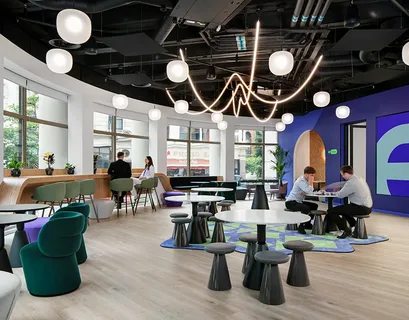
Corporate offices in Dubai focus on creating environments that encourage creativity, teamwork, and productivity. Workspace design reflects the company’s values—whether it prioritizes collaboration, innovation, or employee well-being. Interior design that enhances natural lighting, acoustics, ergonomics, and comfort directly influences team performance and brand culture.
Creating Branded Work Environments
Employees interact with the brand daily. A well-designed office strengthens their emotional connection to the company through branded elements such as wall graphics, color themes, mission statements, and cultural symbols. This sense of alignment boosts morale, loyalty, and productivity.
How Industry-Specific Interiors Reinforce Branding
Retail and Hospitality
Retail stores and cafés rely heavily on ambiance and first impressions. Stylish, comfortable, and thematic interiors help attract customers and influence buying decisions. Strong branding within interiors ensures customers associate the experience with the business long after they leave.
Corporate Offices
Offices are designed to balance professionalism with comfort. Spaces with premium materials and subtle branding communicate trust and elegance. Layouts aligned with workflow and technology further support operational efficiency.
Industrial and Logistics Facilities
Even industrial facilities benefit from interior-oriented planning. While functionality takes priority, organized layouts, well-planned service routes, and clean finishes reflect a brand’s professionalism. Collaboration with a warehouse contractor supports industrial-grade planning that meets safety, ventilation, and operational flow requirements.
Importance of Consistency Across All Spaces
Multi-Branch and Multi-Level Branding
Businesses with multiple branches must ensure consistent interiors across locations. A unified design theme helps customers easily recognize the brand while maintaining trust. At the same time, minor variations for local customization ensure relevance to different audiences.
Integration From Entrance to Exit
Brand identity should flow across the entire space—from the entrance signage and reception to the main service areas, back-office spaces, and even restrooms. Consistent interior design reinforces the brand’s credibility at every step of the customer journey.
Execution Quality: Why the Right Contractor Matters
Interior design only becomes successful with proper execution. This involves structural preparation, MEP routing, lighting installation, finish application, and quality control. Poor execution disrupts brand consistency and reduces the visual impact of the design.
Hiring an expert interior fit out contractor Dubai ensures attention to detail, adherence to high-quality standards, and compliance with authority guidelines. For structural modifications, coordination with a qualified G+4 civil contractor ensures the safety and feasibility of interior alterations. For industrial environments, a specialized warehouse contractor ensures technically correct layout planning aligned with warehouse operations.
Conclusion
Great interior design is one of the most powerful tools for building a strong, recognizable, and emotionally engaging brand identity. In Dubai’s competitive landscape, businesses that invest in thoughtfully designed interiors gain an edge by creating memorable customer experiences, improving employee productivity, and communicating brand values consistently across all touchpoints.
Whether delivered by a specialized interior fit out contractor Dubai, supported by structural experts like a G+4 civil contractor, or aligned with functional planning by a warehouse contractor, the design and execution of interiors shape how customers see, feel, and trust a brand. Investing in great interior design is not an expense—it is a strategic decision that enhances long-term business success.
Frequently Asked Questions (FAQ)
How does interior design influence brand identity?
Interior design visually expresses a brand’s personality through colors, layout, materials, lighting, and ambiance—helping customers connect emotionally with the business.
Do all types of businesses need branded interiors?
Yes. Whether it’s a villa office, restaurant, retail store, or industrial facility, interior design impacts customer perception and the brand’s professional image.
Why should I hire an interior fit-out contractor?
A skilled interior fit out contractor Dubai ensures the design is executed accurately, safely, and in compliance with UAE regulations while maintaining brand consistency.
Can interior design improve employee productivity?
Absolutely. Comfortable workspaces with proper ergonomics, natural lighting, and good circulation contribute to better focus, morale, and teamwork.
Is branding necessary in industrial interiors?
Even industrial facilities benefit from branded layouts and organized environments, which support efficiency and reflect a professional, well-managed organization.