

Why Musical Foundations Matter More Than Most People Realize
Learning to play guitar is one of the most rewarding pursuits a person can undertake,but it's also one of the easiest to get wrong without proper guidance. Millions of self-taught players plateau after a few months, frustrated by bad habits that are hard to unlearn. The difference between those who stagnate and those who thrive almost always comes down to one thing: a strong musical foundation laid early.
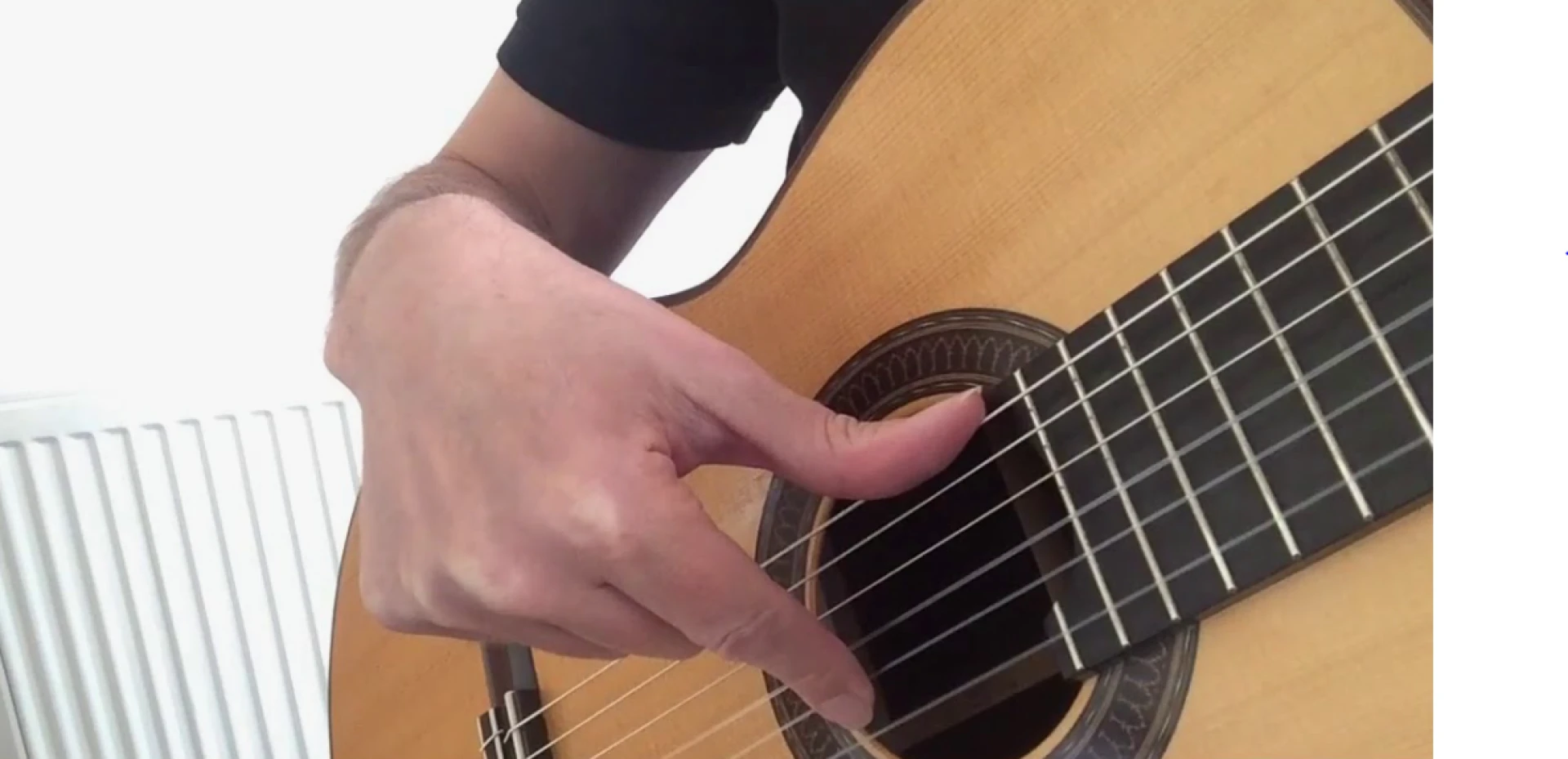
Foundations in music are like foundations in architecture. You can build a beautiful structure quickly, but if the base is weak, cracks appear under pressure. The same is true for guitar playing. Poor posture, improper finger placement, weak rhythm understanding, and untrained ear perception are invisible problems at first,until they suddenly cap what you're capable of playing.
"The students who progress fastest aren't always the most naturally talented ,they're the ones who learned the fundamentals with patience and precision from the very beginning."
This is precisely why so many motivated guitar students across Ohio turn to guitar lessons cincinnati rather than relying solely on YouTube tutorials or chord apps. Structured instruction from an experienced teacher provides accountability, personalization, and the kind of feedback that no algorithm can replicate.
What Makes Cincinnati Guitar Lessons Uniquely Effective
Cincinnati has cultivated a rich musical culture over decades, shaped by its heritage in jazz, blues, classical, and contemporary music. This cultural depth creates an unusually high concentration of skilled guitar instructors who draw on diverse styles and methodologies.
Beyond the talent pool, Cincinnati guitar lessons stand out for several practical reasons:
Personalized curriculum
Lessons are tailored to your age, goals, and preferred genre ,not a one-size-fits-all workbook.
Ear training integrated early
Good teachers weave listening exercises into every lesson so your ear develops alongside your hands.
Theory made approachable
Music theory isn't taught in isolation, it connects directly to what you're actually playing.
Progress you can measure
Regular milestones and structured feedback keep motivation high and plateaus short.
Many instructors offering Cincinnati guitar lessons work across multiple formats ,in-person studios, home visits, and online sessions ,making it easy to maintain consistency regardless of your schedule or location within the Greater Cincinnati area.
Core Skills Every Beginner Builds in Structured Lessons
If you've ever wondered what a beginner actually learns in their first few months of guitar instruction, the answer is more nuanced than "a few chords." A quality teacher uses the early weeks to lay groundwork that pays dividends for years.
Proper posture and hand position
This sounds trivial until you develop wrist pain from months of incorrect positioning. Good instructors address how you hold the guitar, how your fretting hand arches, and how your picking arm rests ,preventing injury and maximizing efficiency.
Rhythm and timing fundamentals
Rhythm is the backbone of all music. Students learn to count beats, understand time signatures, and practice with a metronome ,skills that make everything else easier to learn. Many self-taught players skip this and spend years with inconsistent timing.
The CAGED chord system and open chords
Open chords like G, C, D, E, and Am are the gateway to playing hundreds of songs. More importantly, understanding why these shapes work prepares students for barre chords and advanced fretboard navigation.
Basic music theory in context
Scales, intervals, and chord construction are taught not as academic exercises but as tools for understanding what you're playing and why it sounds good.
- Fretting-hand dexterity and finger independence exercises
- Reading tablature (and often standard notation basics)
- Strumming patterns and pick technique
- First full songs from real repertoire
- Ear training: identifying intervals and common chord progressions
Pro tip
Ask any prospective instructor what their curriculum looks like for the first 12 weeks. A good teacher should be able to describe specific skills and milestones — not just say "we'll go at your pace."
The Science Behind Learning Guitar the Right Way
Neuroscience gives us clear insights into why structured music education is so effective. Learning guitar activates multiple areas of the brain simultaneously,the motor cortex, auditory cortex, and prefrontal cortex all engage during practice. This cross-activation is part of why playing an instrument is consistently associated with improved memory, focus, and cognitive flexibility.
But here's the critical part: these benefits compound when technique is correct from the start. Motor memory,the muscle memory that lets you play without consciously thinking about each finger movement,forms through repetition. If you repeat incorrect technique, you encode incorrect memory. Unlearning bad habits is significantly harder than learning correctly the first time.
Choosing the Right Instructor in Cincinnati
Not all guitar teachers are created equal, and finding the right fit matters enormously. Here's what to look for when evaluating your options:
Genre alignment
A jazz-trained instructor may not be the best choice if your goal is to shred metal leads,and vice versa. Look for a teacher whose background aligns with the music you love, or one who explicitly advertises versatility across genres.
Teaching experience vs. playing experience
An exceptional guitarist isn't automatically an exceptional teacher. Look for instructors who have worked with students at your level before and can speak to how they approach the early stages of instruction.
Trial lessons
Most reputable providers of Cincinnati guitar lessons offer a trial or introductory session. Take it. Pay attention to how clearly they explain concepts, how well they listen to your goals, and whether the vibe feels comfortable. You'll be spending significant time with this person.
Structured progression
Ask about lesson plans, practice assignments, and how they track your progress. Accountability structures are what separate casual lessons from transformative ones.
Common Mistakes That Hinder Progress — and How Lessons Fix Them
Whether you're a true beginner or someone who has dabbled with self-teaching, certain mistakes show up repeatedly. Recognizing them is the first step to overcoming them.
Skipping scales and theory
Many beginners want to learn songs immediately and avoid "boring" scale practice. This works in the very short term but creates a ceiling. Scales build finger strength, dexterity, and fretboard awareness. Instructors weave them into lessons in ways that connect to real musical context.
Practicing mistakes repeatedly
Slow, deliberate practice with attention to accuracy is always more valuable than fast, sloppy run-throughs. A good teacher will slow you down when necessary and teach you how to isolate and fix problem passages.
Neglecting the strumming hand
Most beginners obsess over fretting and ignore their picking/strumming hand. But rhythm, dynamics, and tone all live in the picking hand. Structured lessons give both hands equal attention.
Inconsistent practice
Twenty minutes daily beats two hours on weekends. Instructors help students build practice routines that fit their real lives and actually stick.
"Guitar is not a difficult instrument to learn badly. The real challenge,and the real reward ,is learning it well. That distinction almost always comes down to the quality of your early instruction."
Frequently Asked Questions
How old should my child be before starting Cincinnati guitar lessons?
Most instructors in Cincinnati work comfortably with children ages 7 and up. Some take students as young as 5 or 6, especially those showing strong interest. The key factor is attention span and fine motor development rather than age alone.
Do I need my own guitar before starting lessons?
Ideally, yes,consistent at-home practice is essential. However, many instructors can recommend affordable starter guitars and some even loan instruments during the early weeks. A decent beginner acoustic can be found for $80–$150 and is sufficient to start.
How many lessons per week do beginners need?
One lesson per week is the standard for most beginner and intermediate students. This frequency gives enough time to practice between sessions while maintaining momentum. More advanced students sometimes add a second session, but one consistent weekly lesson with daily practice at home is ideal for building a foundation.
What style of guitar should beginners learn,acoustic or electric?
Whichever style aligns with the music you love. There's no meaningful advantage to starting on acoustic vs. electric from a technique standpoint. Motivation is the strongest predictor of progress, so start with the instrument that excites you most.
Are online Cincinnati guitar lessons as effective as in-person?
For most students, high-quality online lessons are very effective,particularly with good lighting, a stable connection, and a teacher experienced with virtual instruction. Some nuances (like subtle posture corrections) are easier in person, but online lessons eliminate commute barriers and often allow access to a wider pool of specialized instructors.
Final Thoughts
The guitar is a deeply rewarding instrument,one that can accompany you through every stage of life, from campfire singalongs to full-band performances. But the difference between a guitar gathering dust in a corner and one that gets played every day almost always traces back to how the player was initially taught.
Investing in quality Cincinnati guitar lessons from a skilled, experienced instructor isn't just about learning faster. It's about learning correctly,building the physical technique, musical understanding, and creative confidence that will serve you for decades.
Read more about: online-guitar-lessons