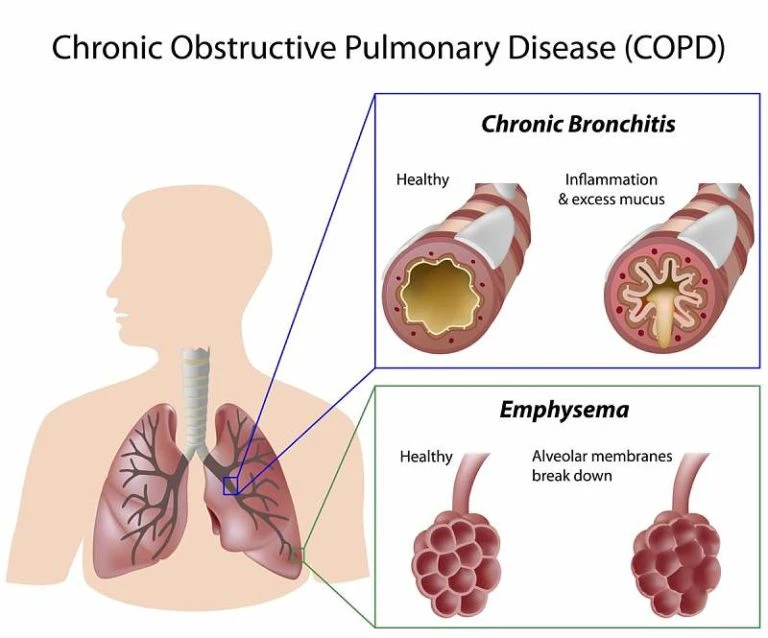
Chronic bronchitis and Chronic Obstructive Pulmonary Disease (COPD) are often mentioned together when discussing lung health, but are they the same thing? While they are related, they are not the same. Understanding the differences between chronic bronchitis and COPD is crucial for effective treatment and management of these respiratory conditions. In this blog, we’ll explore what each term means and explain their key differences.
What is Chronic Bronchitis?
Chronic bronchitis is a type of respiratory condition that involves inflammation of the bronchial tubes, the airways that carry air to the lungs. It is characterized by a persistent cough that produces mucus, which lasts for at least three months in two consecutive years. The inflammation causes narrowing of the airways, making it harder to breathe.
People with chronic bronchitis often experience symptoms like:
- Persistent cough with mucus (phlegm)
- Wheezing
- Shortness of breath
- Chest discomfort
Smoking is the leading cause of chronic bronchitis, but it can also be triggered by long-term exposure to pollutants, dust, or chemicals.
What is COPD?
Chronic Obstructive Pulmonary Disease (COPD) is a broad term used to describe a group of lung conditions that cause long-term breathing problems. COPD is primarily caused by long-term exposure to harmful substances such as cigarette smoke, air pollution, or chemicals. The two main types of COPD are emphysema and chronic bronchitis. Know more about the stages of COPD
COPD is a progressive disease, meaning it worsens over time. It leads to the gradual loss of lung function and makes it difficult to breathe. Symptoms of COPD include:
- Chronic cough
- Increased mucus production
- Shortness of breath, especially during physical activity
- Fatigue
- Wheezing
While chronic bronchitis is one type of COPD, not everyone with COPD has chronic bronchitis.
Key Differences Between Chronic Bronchitis and COPD
While chronic bronchitis is a type of COPD, the two conditions have distinct features. Here are the key differences:
1. Definition
- Chronic Bronchitis: A condition characterized by long-term inflammation of the bronchial tubes, leading to a persistent cough with mucus.
- COPD: An umbrella term for several lung diseases, including chronic bronchitis and emphysema that cause breathing problems.
2. Scope
- Chronic Bronchitis: Specifically affects the bronchial tubes and the production of mucus.
- COPD: Affects both the bronchial tubes (in the case of chronic bronchitis) and the alveoli (tiny air sacs in the lungs), as in emphysema.
3. Symptoms
- Chronic Bronchitis: The main symptoms are a persistent cough, excess mucus production, and wheezing.
- COPD: Includes symptoms of chronic bronchitis (cough, mucus) and emphysema (shortness of breath, wheezing).
4. Cause
- Chronic Bronchitis: Primarily caused by long-term exposure to irritants such as cigarette smoke or environmental pollutants.
- COPD: Caused by prolonged exposure to harmful substances like smoking, air pollution, or chemicals, leading to both chronic bronchitis and emphysema.
5. Progression
- Chronic Bronchitis: Can be a standalone condition, although it can progress into COPD over time.
- COPD: COPD is a progressive disease, meaning it worsens over time, often leading to severe breathing difficulties.
6. Treatment
- Chronic Bronchitis: Treated with medications such as bronchodilators and corticosteroids, and lifestyle changes like quitting smoking and avoiding irritants.
- COPD: Treated with a combination of medications, pulmonary rehabilitation, oxygen therapy, and in some cases, surgery. Quitting smoking and avoiding irritants is crucial for managing the disease.
Are Chronic Bronchitis and COPD the Same?
No, chronic bronchitis and COPD are not the same, though they are closely related. Chronic bronchitis refers specifically to inflammation of the bronchial tubes and is one component of COPD. COPD is a broader term that includes both chronic bronchitis and emphysema, both of which contribute to obstructed airflow and difficulty breathing.
In simpler terms, chronic bronchitis is one of the conditions that fall under the umbrella of COPD, but not all COPD patients have chronic bronchitis. COPD is a more severe and progressive disease, while chronic bronchitis may be a standalone issue in some people.
Conclusion
Chronic bronchitis and COPD are both serious respiratory conditions that affect the lungs, but they are not the same. Chronic bronchitis is a type of COPD, and COPD is a broader term that includes both chronic bronchitis and emphysema. Understanding these differences can help in early diagnosis and treatment, potentially slowing the progression of the disease and improving quality of life for patients. If you are experiencing symptoms of either condition, it’s essential to seek medical attention for proper evaluation and management. By staying informed and taking proactive steps, individuals with chronic bronchitis or COPD can better manage their symptoms and improve their lung health.
FAQs
1. How can you tell the difference between COPD and chronic bronchitis?
COPD is a broader condition that includes chronic bronchitis and emphysema, while chronic bronchitis specifically involves long-term inflammation of the bronchial tubes.
2. What is the most common bacterial cause of chronic bronchitis?
The most common bacterial cause of chronic bronchitis is Haemophilus influenzae.