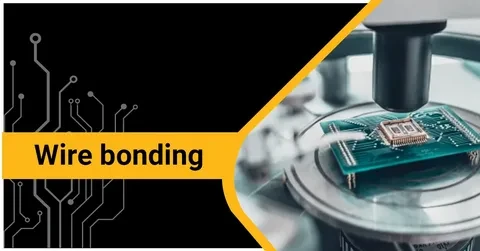
Wire bonding is a critical process in modern electronics manufacturing, forming the electrical connections that allow components to communicate reliably within a device. From medical equipment to aerospace systems, the quality of these connections directly affects performance, durability, and safety. Selecting the right Experts in Wire Bonding is therefore a vital decision that can influence the overall success of your project.
1. Understanding the Importance of Wire Bonding Expertise
Wire bonding is far more than a mechanical task. It requires precision, material knowledge, and strict process control. Professionals in this field understand how different wire materials, bonding techniques, and substrate types interact under real-world conditions. Their expertise helps ensure strong, consistent bonds that can withstand thermal stress, vibration, and long-term use.
Projects with complex designs or high-reliability requirements particularly benefit from experienced Wire Bonding Professionals who can anticipate challenges early and recommend the most suitable bonding approach.
2. Evaluating Technical Capabilities
When choosing a wire bonding partner, it is essential to assess their technical capabilities. This includes familiarity with various bonding methods such as ball bonding, wedge bonding, and ribbon bonding. Each technique serves different applications, and the right choice depends on factors like electrical performance, operating environment, and space constraints.
Skilled professionals also stay current with evolving technologies and equipment. Advanced machinery, combined with hands-on expertise, allows for tighter tolerances and repeatable results across production runs.
3. Quality Control and Process Consistency
Consistency is a hallmark of reliable wire bonding services. Strong quality assurance practices help minimize defects and ensure every connection meets specification. Look for teams that follow structured inspection protocols and testing procedures throughout the bonding process.
Experts in Wire Bonding who emphasize quality control reduce the risk of costly rework or field failures. Their attention to detail supports dependable performance, even in mission-critical applications.
4. Collaboration and Project Support
A successful wire bonding project often depends on effective collaboration. The best professionals work closely with engineers and designers, offering input during early development stages. This collaborative approach helps optimize layouts, select appropriate materials, and avoid potential issues before production begins.
Clear communication and responsiveness also matter. Partners who provide timely updates and technical feedback contribute to smoother workflows and predictable timelines.
5. Scalability and Long-Term Reliability
Beyond initial production, consider whether your wire bonding partner can support future needs. Scalability is important as projects move from prototypes to larger volumes. Experienced Experts in Wire Bonding are equipped to maintain quality and consistency as production demands grow.
Long-term reliability is equally critical. Choosing a partner with proven processes and stable operations helps ensure continuity across the product lifecycle.
Final Thoughts
Wire bonding is a foundational element in electronic assembly, and the professionals behind it play a decisive role in product performance. By focusing on expertise, technical capability, quality assurance, and collaborative support, businesses can confidently select a partner that aligns with their project goals. At Hybrid-tek, this comprehensive approach reflects a commitment to precision, reliability, and delivering wire bonding solutions that meet the highest industry standards.