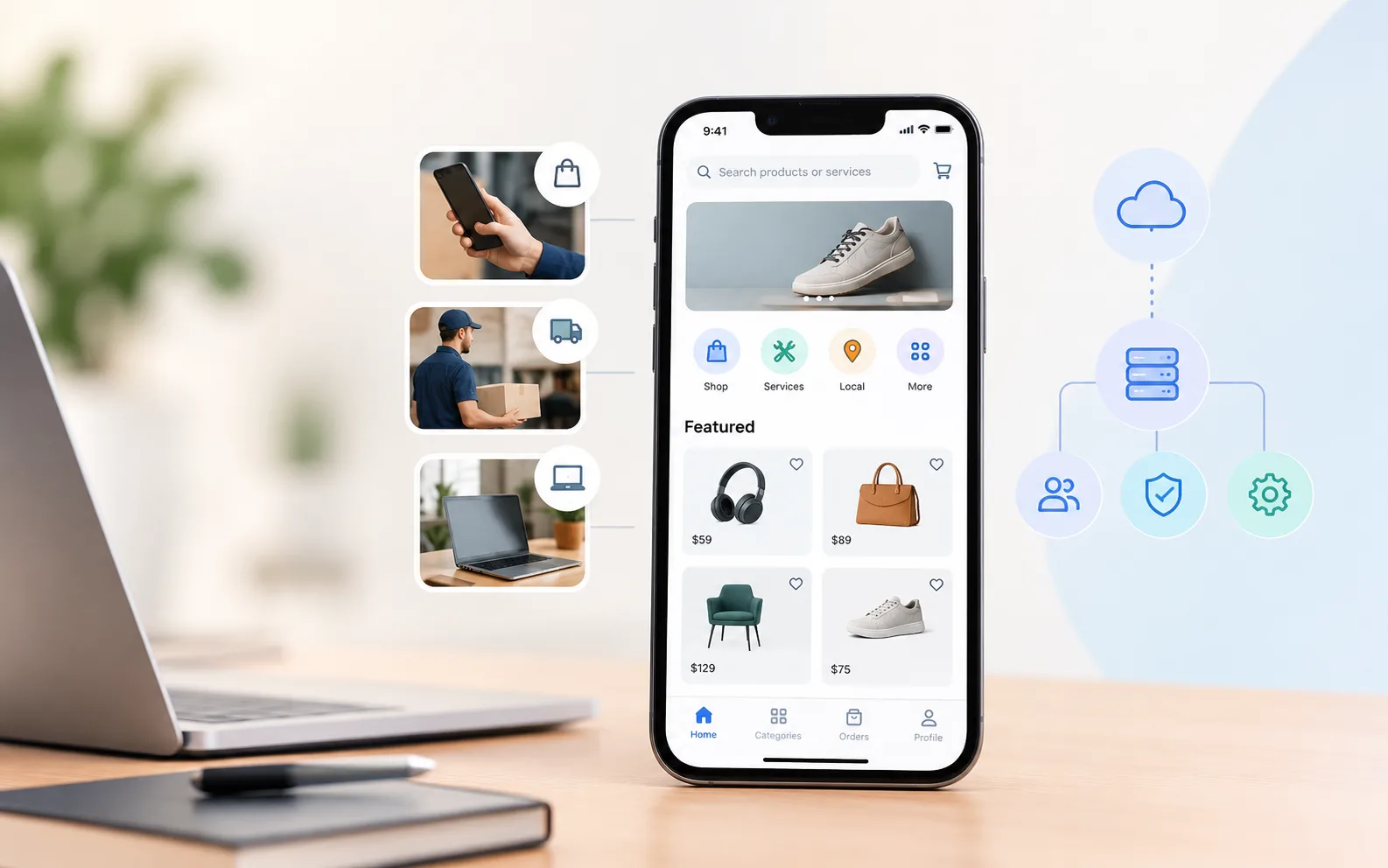
When starting a new website, mobile app, or digital product, one of the most important decisions you’ll make is choosing the right UI UX design process. Why? Because great design isn’t just about how your product looks—it’s about how people use it, enjoy it, and keep coming back.
Whether you’re working with an in-house team or hiring a professional UI UX Design Company in Ahmedabad or a UI UX Design Company in India, having a clear, step-by-step design process makes your project smoother, faster, and more successful.
Let’s explore what the UI UX design process typically includes, why each step matters, and how to decide what’s right for your project.
Why the UI UX Design Process Is So Important
Imagine trying to build a house without a blueprint—you might end up with crooked walls, wasted materials, and lots of frustration. The same is true for designing digital products.
A well-defined design process helps you:
Understand your users’ real needs
Plan your product’s structure before you build it
Avoid expensive rework and last-minute changes
Launch faster with a product people actually enjoy using
In short, the process is there to make sure your idea becomes something people love, not just something that looks nice.
What Are the Main Steps in the UI UX Design Process?
While different projects may adjust or combine steps, most design processes include these important phases:
Discover & Research
This is where it all begins. Before any designs are made, you need to really understand:
- Who your users are
- What problems they’re facing
- What competitors are offering
A good design team (like a UI UX Design Company in India) might do:
User interviews and surveys
Market research
Creating personas—imaginary users who represent your real audience
Mapping out user journeys—the paths users take to complete tasks
The goal? To learn what will make your product truly useful and unique.
Plan & Structure (Wireframes & Information Architecture)
Once you know what users want, it’s time to decide how to organize it.
- Wireframes: Simple, black-and-white sketches showing where things go on each screen or page.
- Information architecture: Deciding how content is grouped, labeled, and linked.
This step helps make sure your product is logical and easy to navigate—before spending time on visual details.
Visual Design & Prototyping
Now comes the creative part: choosing colors, typography, icons, images, and creating full-color designs.
Designers often build:
- High-fidelity mockups: Detailed designs that look like the finished product
- Interactive prototypes: Clickable models that show how screens connect and react
This helps everyone—developers, stakeholders, and even test users—understand what the final product will look and feel like.
Usability Testing & Refinement
Even great ideas need testing. At this stage, real users try the prototype. Designers look for:
- Confusing navigation
- Buttons people miss
- Steps that feel too long or complicated
Feedback leads to adjustments. Sometimes these changes are small; sometimes they spark bigger redesigns. Either way, this step helps make sure your product is practical, enjoyable, and clear.
Handoff & Development Support
Finally, the designs are shared with developers. Designers create:
- Design systems or style guides (rules for fonts, colors, spacing, etc.)
- Detailed specifications explaining interactions and animations
Even after handoff, designers often work with developers to answer questions and make sure the live product matches the design.
How to Choose the Right Process for Your Project
Every project is unique. Here’s how to think about it:
Small projects or MVPs:
Focus on quick research, wireframes, a clean design, and some testing. Speed is important, but don’t skip understanding your users.
Large projects or complex apps:
Invest in deep research, detailed prototypes, multiple testing rounds, and design systems for consistency.
Startups:
Rapid prototyping and quick feedback help validate ideas without heavy upfront investment.
If you’re unsure, partnering with an experienced UI UX Design Company in Ahmedabad can help you choose the right balance of speed, quality, and cost.
Why Partnering With Professionals Helps
A professional UI UX Design Company in India or your city can bring:
- Experience from different industries
- Proven design frameworks that reduce risk
- Dedicated teams for research, design, and testing
- Tools and methods to make your product user-centered
Even if you have an internal team, external designers can bring fresh perspectives and specialized skills.
Conclusion
Choosing the right UI UX design process isn’t about following a strict checklist—it’s about building a process that fits your goals, your timeline, and, most importantly, your users.
Start by understanding your users deeply. Test your ideas early. Be ready to adjust based on feedback. And if you need help, don’t hesitate to work with experts who do this every day.
With the right process, your digital product won’t just look good—it will truly work for your users and grow your business.