
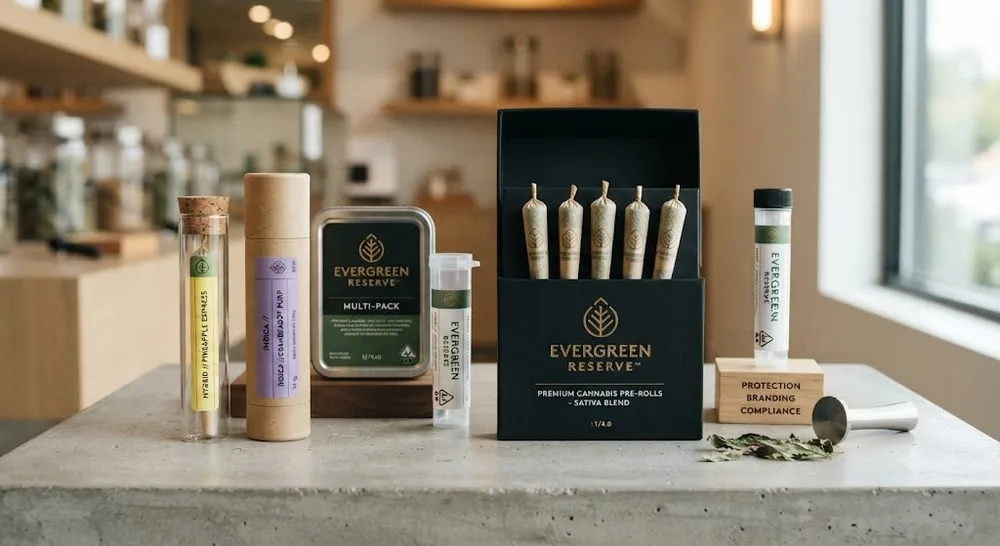
The quality of a pre-roll matters, but so does the packaging that surrounds it. A well-designed package protects delicate products from crushing, preserves freshness, and helps customers recognize a brand at a glance. As the market has grown more competitive, businesses have moved beyond plain cartons and started investing in packaging that combines functionality with a professional appearance. Modern pre-roll packaging also provides space for product information, branding, and regulatory details, making it an important part of the overall customer experience.
Why Packaging Quality Matters
Pre-rolls are fragile and can easily lose their shape if they are not stored properly. Packaging acts as a protective barrier against moisture, dust, light, and physical damage during shipping, retail display, and handling.
Well-constructed Custom Pre Roll Boxes help keep products secure while giving businesses the flexibility to create packaging that matches their branding. Custom sizing also reduces unnecessary movement inside the box, lowering the chance of damage before the product reaches the customer.
Materials Used for Pre-Roll Packaging
Different materials offer different advantages depending on the product and intended use.
Cardboard
Cardboard remains one of the most popular options because it is lightweight, printable, and cost-effective. It works well for retail packaging while providing enough strength for everyday handling.
Kraft Paper
Kraft packaging is often selected for its natural appearance and recyclable properties. It appeals to brands looking for a simple, minimal design while still providing dependable protection.
Rigid Board
Rigid packaging creates a premium presentation. Although it costs more than folding cartons, it offers excellent durability and is commonly used for high-end collections or special product releases.
Customization Options
Packaging is often the first thing customers notice. Custom printing allows businesses to create a distinctive appearance that reflects their brand identity.
Popular customization options include:
- Matte or gloss lamination
- Spot UV coatings
- Foil stamping
- Embossing or debossing
- Die-cut windows
- Custom inserts
- Full-color printing
These finishing techniques can improve shelf presentation while maintaining product protection.
Packaging Designed for Different Pack Sizes
Not every product requires the same packaging format. Manufacturers typically produce packaging for:
- Single pre-rolls
- Two-pack cartons
- Three-pack boxes
- Five-pack boxes
- Multi-pack collections
Custom inserts help keep each item securely positioned, preventing unnecessary movement during transport while creating a more organized presentation inside the package.
Balancing Protection and Appearance
Effective packaging should protect the product without sacrificing visual appeal. Strong structural design prevents crushing while attractive graphics help products stand out on retail shelves.
Many businesses also choose coatings that resist scratches and fingerprints, allowing packaging to maintain a clean appearance throughout storage and distribution.
Another important consideration is efficient sizing. Properly fitted boxes reduce excess material, improve shipping efficiency, and help create a more polished presentation.
Supporting Product Information
Packaging provides valuable space for important product details. Depending on market requirements, brands may include:
- Product name
- Ingredients
- Batch information
- Storage recommendations
- Usage instructions
- Warning labels
- QR codes
- Brand information
Keeping this information organized improves readability while maintaining an attractive overall design.
Creating a Better Customer Experience
Good packaging continues to add value after the initial purchase. Easy-to-open designs, secure closures, and durable construction contribute to a better overall experience.
Many customers also appreciate packaging that is sturdy enough for temporary storage or transport. Small design improvements such as clean folding, quality printing, and consistent finishes can leave a stronger impression than overly complex graphics.
Businesses increasingly focus on packaging that combines durability, attractive presentation, and practical functionality rather than emphasizing appearance alone. Community discussions also suggest that freshness, protection, and reliable sealing often matter as much as visual design.
Final Thoughts
Selecting the right packaging involves balancing protection, presentation, materials, and customization options. Durable construction helps maintain product quality throughout shipping and storage, while thoughtful design supports branding and improves the customer experience.
Whether using folding cartons, kraft packaging, or premium rigid boxes, investing in well-designed Custom Pre Roll packaging helps create packaging that protects the product, presents it professionally, and meets the practical needs of both retailers and customers.