Kids pick up a lot from their surroundings—how to share, take turns, and even point out to an adult their shoes are ugly. Social skills shape how children interact, build friendships, and express themselves. But in a world where more communication happens behind screens, these skills don’t always come naturally.
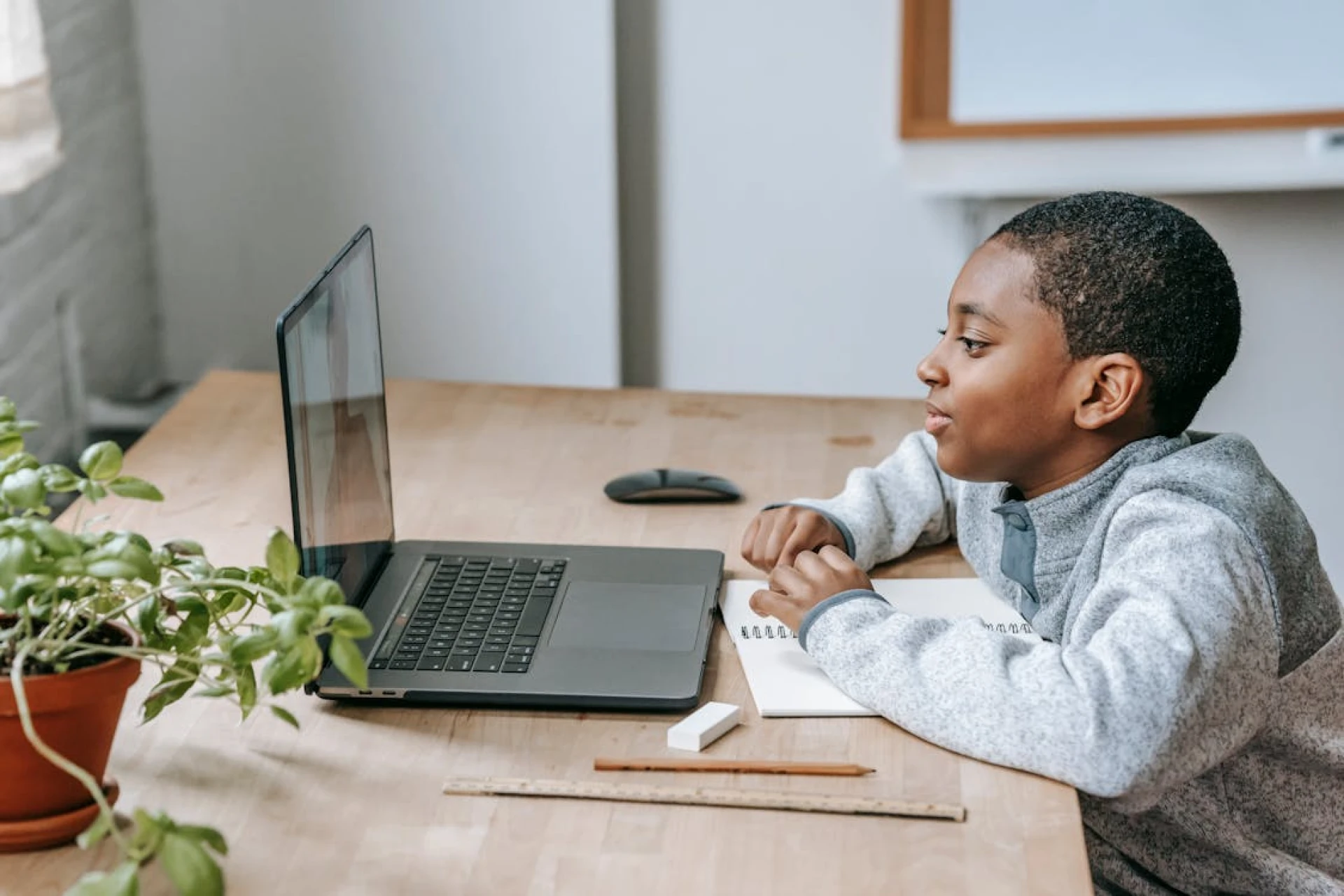
That’s where social skills training for kids comes in. These programs help children communicate better, understand emotions, and build strong relationships. The good news? Learning these skills doesn’t have to happen in a classroom. With an online social skills program, kids can practice social interaction in a fun and engaging way—right from home.
But with so many options, how do you know the best fit? Finding the right program comes down to what works best for your child. Some kids do well in a group, practicing conversations with others their age. Others need more individual attention to build confidence. Programs also vary—some focus on general social skills, while others are designed for kids who need extra support.
The goal is to choose a course that helps your child feel comfortable and grow at their own pace.
Understanding Your Child’s Needs
Every child develops their socialization habits differently. Some children love to jump into discussions immediately. Others observe before they participate. Similarly, some children are good at making friends, while others struggle with shyness or understanding social cues. Social development looks different for everyone, and that’s why finding the right support matters.
An online social skills program can help children build confidence, but choosing the right one starts with understanding what your child needs most. Some kids feel nervous in group settings and have trouble speaking up. Others may have difficulty reading facial expressions or knowing when to take turns in a conversation.
Having clear goals can make it easier to find a program that fits. Does your child need help making friends? Learning how to handle disagreements? Expressing emotions in a healthy way?
As a parent, you know your child best. Pay attention to how they interact with others—do they hold back in group settings, interrupt conversations, or have trouble expressing their thoughts? Noticing these patterns can give insight into what kind of support they need. The right online social skills program will help them feel more comfortable and build confidence in social situations.
Key Features of a High-Quality Online Social Skills Program
A well-designed online social skills program should do more than just teach—it should keep kids engaged and help them apply what they learn in everyday interactions. Here are a few things to look for when choosing the right one.
Engaging and Interactive Format
Children learn best when they’re involved in the process. Programs that include live sessions, role-playing, and interactive games make it easier for kids to remain interested and practice real-life social situations in a comfortable setting.
Experienced Instructors
Good social skills training for kids should be led by professionals who understand child development. Instructors with backgrounds in education, therapy, or social skills coaching can provide guidance that is both effective and age-appropriate.
Content That Matches Your Child’s Age
Social challenges look different at every stage. A program designed for younger kids should focus on skills like sharing and taking turns, while older children benefit more from lessons on friendship, communication, and conflict resolution.
A Clear and Structured Approach
The best programs introduce social skills step by step. Instead of overwhelming kids with too much information at once, they build on what has already been learned, allowing children to develop confidence along the way.
Parent Involvement
Support from parents makes a big difference. Programs that offer progress updates, parent resources, or simple activities to practice at home help reinforce what kids are learning and give them more chances to grow.
Comparing Different Program Types
Every online social skills program has a different structure, and the best choice depends on what works for your child. Some kids do well with self-paced lessons; others need live interaction to stay engaged. Understanding the options can help you find the right fit.
Live vs. Pre-Recorded Programs
Live programs give kids the chance to interact with instructors and other students in real-time. This can be great for kids who need guidance and social practice in the moment. Pre-recorded programs, on the other hand, allow for flexibility. They work well for kids who like to go at their own pace or need extra time to absorb new skills.
One-on-One Coaching vs. Group Classes
Group classes help kids learn through peer interaction, making them a good fit for children who benefit from practicing social skills in a structured setting. One-on-one coaching, however, provides personalized attention, which can be helpful for kids who feel shy in groups or need extra support in specific areas.
Therapeutic vs. General Social Skills Training
A social skills training for kids program can be therapy-based or general. Therapy-based programs, often led by licensed professionals, are designed for children with autism, ADHD, or communication challenges. General programs focus on common skills like making friends, handling emotions, and improving conversations. Choosing the right approach depends on your child’s needs and the level of support they require.
Evaluating Reviews and Success Stories
A good online social skills program should have real results to back it up. Before signing up, take some time to read reviews from other parents. Their experiences can give you a better idea of what to expect and whether the program actually helps kids improve their social skills.
Success stories and testimonials can also be helpful, especially when they include real examples of progress. Look for feedback that talks about specific changes, like a child becoming more confident in conversations or making new friends more easily.
If possible, check if the program offers pre- and post-assessments. These assessments provide quantifiable evidence about skill development. Parent forums and social media groups can also offer real opinions regarding different social skills training programs for children.
Final Thoughts
Every child deserves to feel confident in social situations, and the right online social skills program can give them the tools to get there. Some kids need help starting conversations, while others might struggle with picking up social cues. Finding a program that meets your child where they are can make all the difference.
Before signing up, take your time. See if the program offers a trial class, or reach out to the instructors with any questions. The more you know about how they teach and support kids, the easier it is to make the right choice.
With proper social skills training for kids, socializing can go from stressful to enjoyable. Over time, they’ll build confidence, form stronger connections, and feel more comfortable in their interactions.