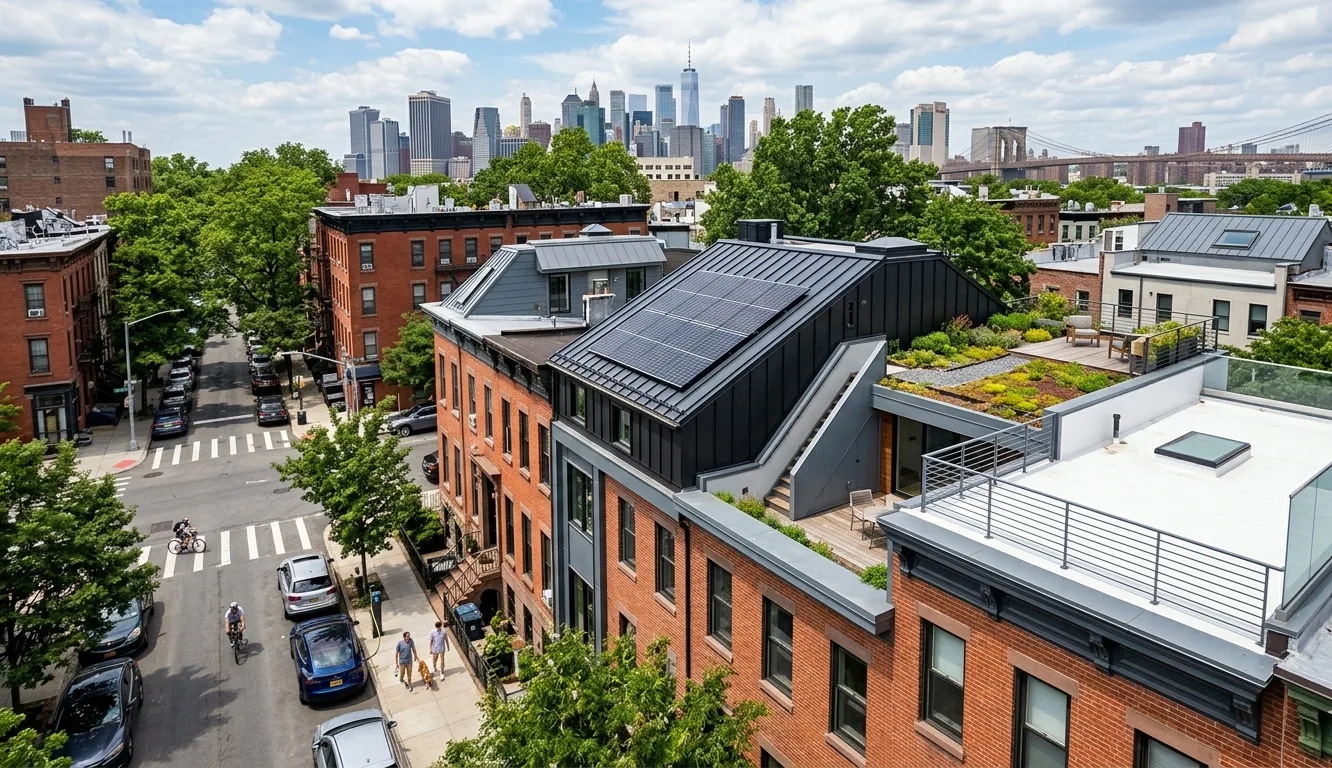
Flat roofing systems have become a common choice for residential and commercial properties throughout Brooklyn and other parts of New York City. Their modern appearance, space efficiency, and cost-effectiveness make them especially suitable for urban structures. However, while flat roofs offer several advantages, their long-term performance depends heavily on one important factor — selecting the right roofing material.
A flat roof is constantly exposed to rain, snow, UV rays, temperature fluctuations, and moisture buildup. If the wrong material is installed, property owners often face recurring leaks, drainage issues, insulation problems, and expensive repairs much sooner than expected. Choosing a durable roofing solution from the beginning helps protect the structure, improves energy efficiency, and reduces maintenance costs over time.
For homeowners and building managers in Brooklyn, understanding the strengths of different flat roofing materials can make a major difference in long-term property protection.
Why Material Selection Matters for Flat Roofs
Unlike sloped roofing systems, flat roofs do not shed water as quickly. This means roofing materials must be strong enough to handle standing water, thermal expansion, and seasonal weather stress. In a city like Brooklyn where heavy rain, snow accumulation, and summer heat are common, roofing materials are constantly tested throughout the year.
The quality of the roofing membrane also affects insulation performance and indoor comfort. Poor-quality materials can allow heat transfer, leading to higher energy bills and uncomfortable indoor temperatures. Long-lasting materials, on the other hand, help stabilize interior conditions while protecting the property against moisture intrusion.
Many building owners focus only on the initial installation cost, but long-term durability should always be the priority. A lower-cost roof that requires constant repairs often becomes more expensive in the long run.
Understanding the Most Common Flat Roofing Materials
Several flat roofing materials are widely used across Brooklyn residential and commercial properties. Each option has different strengths depending on the building type, budget, and environmental exposure.
EPDM Roofing
EPDM, commonly known as rubber roofing, is one of the most popular flat roofing materials available today. It is known for its flexibility, weather resistance, and long lifespan.
This roofing system performs especially well during temperature fluctuations because the material expands and contracts without cracking easily. Brooklyn properties that experience freezing winters and hot summers often benefit from this adaptability.
EPDM roofing is also resistant to UV radiation and moisture damage, making it a reliable choice for long-term roof protection. With proper installation and routine maintenance, an EPDM roof can last for decades.
TPO Roofing Systems
TPO roofing has gained popularity because of its energy-efficient properties. The reflective surface helps reduce heat absorption, which is especially valuable during New York’s hot summer months.
Commercial property owners frequently choose TPO roofing because it can lower cooling costs while still offering strong waterproofing performance. The seams are heat-welded, creating a secure barrier against leaks and water penetration.
TPO systems also resist mold growth, dirt accumulation, and punctures better than many older roofing materials. This makes them suitable for heavily exposed urban rooftops.
Modified Bitumen Roofing
Modified bitumen roofing has been used for many years on flat roofs throughout Brooklyn. It is designed with reinforced layers that improve durability and waterproofing performance.
This material performs well under foot traffic and harsh weather conditions, making it ideal for buildings where rooftop access is common. Modified bitumen systems also provide strong resistance against tears and punctures.
Many property owners appreciate the balance between affordability and durability that modified bitumen offers. It remains a dependable option for both residential and commercial roofing applications.
Climate Considerations for Brooklyn Flat Roofs
Brooklyn’s climate creates unique challenges for roofing systems. Snow accumulation during winter can place additional weight and stress on flat roofs, while summer heat causes roofing materials to expand continuously.
Heavy rainfall is another important concern. Poor drainage or low-quality roofing materials can quickly lead to ponding water and leaks. Once water enters the building structure, the damage often spreads into insulation, ceilings, and interior walls.
Because of these conditions, many homeowners work with experienced professionals who understand local roofing challenges. Investing in a trusted flat roofing contractor in Brooklyn helps property owners choose materials that perform well under New York weather conditions while ensuring proper installation methods are followed.
The Role of Professional Installation
Even the highest-quality roofing material can fail prematurely if installation is handled improperly. Flat roofing systems require careful attention to drainage design, seam sealing, insulation placement, and flashing installation.
Poor workmanship often leads to common issues such as:
Water Pooling
Improper slope design allows water to collect in certain areas instead of draining properly. Over time, standing water weakens roofing membranes and increases leak risks.
Weak Seam Connections
Flat roofing materials rely heavily on properly sealed seams. Poor seam installation creates openings where moisture can enter beneath the roofing system.
Inadequate Insulation
Improper insulation affects both energy efficiency and moisture control. Temperature imbalance inside the roofing system can lead to condensation and structural damage.
Experienced roofing professionals understand how to prevent these issues through proper planning and installation techniques.
Energy Efficiency and Long-Term Savings
Modern flat roofing systems now play a major role in improving building energy efficiency. Reflective roofing materials reduce solar heat absorption, helping lower indoor temperatures during warmer months.
This becomes especially valuable for commercial buildings and multi-family properties where cooling costs can rise significantly during summer. Choosing energy-efficient materials not only improves comfort but can also reduce long-term utility expenses.
In addition, properly insulated flat roofs help retain heat during winter, reducing stress on heating systems throughout colder months.
Maintenance Still Matters
Even durable roofing systems require routine inspections and maintenance to maximize lifespan. Small issues like drainage blockages, seam wear, or surface punctures can become serious problems if ignored for too long.
Property owners should schedule regular roof inspections, especially after severe storms or seasonal weather changes. Preventive maintenance helps identify potential concerns before expensive repairs become necessary.
Routine inspections also allow roofing professionals to monitor the condition of flashing, drains, and roofing membranes over time.
Choosing the Best Roofing Material for Your Property
There is no single roofing material that works perfectly for every building. The right solution depends on several factors, including:
- Building structure
- Roof size
- Drainage design
- Climate exposure
- Energy efficiency goals
- Budget considerations
- Maintenance expectations
Residential buildings may prioritize appearance and insulation performance, while commercial structures often focus on durability and energy savings. Working with experienced roofing specialists helps property owners make informed decisions based on their long-term goals rather than short-term cost alone.
Final Thoughts
Flat roofing systems provide practical and durable protection for many Brooklyn properties, but the material selection process should never be rushed. Long-term performance depends on choosing roofing materials that can handle moisture exposure, temperature changes, and urban environmental conditions effectively.
Whether selecting EPDM, TPO, or modified bitumen roofing, property owners should focus on durability, energy efficiency, and professional installation quality. A properly installed flat roof not only protects the building structure but also improves property value and reduces future repair expenses.
As Brooklyn continues to grow and modernize, investing in reliable flat roofing solutions remains one of the smartest decisions property owners can make for long-term protection and peace of mind.