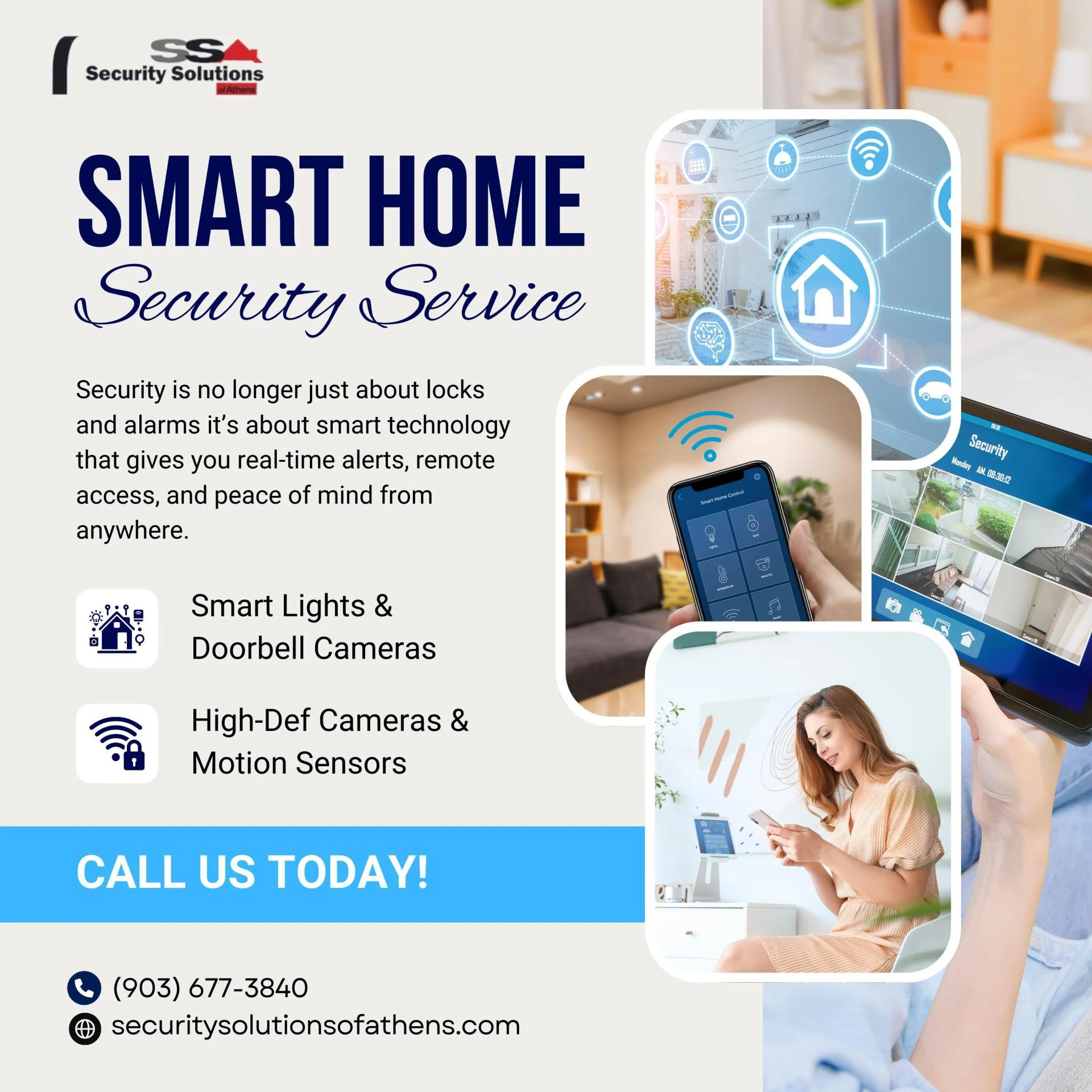
In today’s fast-paced world, the safety of your business is more than just an afterthought—it’s a strategic necessity. Whether you run a retail store, manage a warehouse, or oversee a chain of offices, having the best commercial security system in place can mean the difference between prevention and loss. Security systems have evolved significantly, and modern businesses now require integrated, smart solutions that go beyond just surveillance.
Why Security Is a Business Priority
Every business, regardless of size, faces potential risks—burglary, employee theft, vandalism, unauthorized access, and even workplace violence. Beyond these physical threats, data security and liability protection are also becoming areas of concern.
Installing a commercial security system is no longer a matter of "if" but "how soon." A reliable system deters crime, keeps employees safe, and helps avoid costly disruptions.
What Defines the Best Commercial Security System?
The best commercial security system is one that aligns with the specific needs of your business while offering scalability, ease of use, and modern tech integration. Key features often include:
- 24/7 Surveillance: High-definition cameras with night vision and remote access
- Access Control Systems: Card readers, biometric scanners, or PIN pads to restrict entry
- Alarm Integration: Intrusion detection linked to police or private security
- Environmental Monitoring: Sensors for fire, smoke, gas leaks, or flooding
- Smart Automation: Remote locking/unlocking, scheduling, and mobile alerts
- Cloud Storage: Secure, accessible backups of surveillance footage
A combination of these tools ensures layered protection that evolves as your business grows.
Industry-Specific Needs
Not every business has the same vulnerabilities. Tailoring your system based on your industry helps maximize effectiveness:
- Retail Stores: Focus on theft prevention, customer safety, and loss mitigation.
- Warehouses: Emphasize perimeter security, surveillance of entry points, and motion detection.
- Offices: Prioritize access control, fire safety, and data security.
- Restaurants & Cafes: Combine customer safety with inventory protection and employee monitoring.
Choosing a system that’s custom-built for your business environment is essential to getting real value from it.
Technology That Makes a Difference
Modern commercial systems leverage advanced technologies for better coverage and response:
- AI-Powered Cameras: These systems can detect suspicious behavior patterns, distinguish between animals and humans, and reduce false alarms.
- Mobile Access: Business owners can monitor live feeds, receive alerts, and control access from smartphones or tablets.
- Integration with Business Tools: Connect your security with point-of-sale systems, employee check-ins, and emergency procedures.
These smart capabilities don’t just improve security—they also make managing your business smoother and more efficient.
Professional Installation vs. DIY
While DIY systems are tempting, the best commercial security system usually comes with professional installation and support. Experts can assess vulnerabilities, install components correctly, and integrate systems across multiple locations. Plus, many commercial setups require ongoing maintenance and tech support, which a professional service can provide.
Return on Investment
Though security systems come with upfront costs, they offer long-term financial benefits:
- Lower insurance premiums
- Reduced loss from theft or damage
- Improved employee productivity and accountability
- Faster emergency response times
When you weigh these advantages, a strong security investment often pays for itself.
Legal and Compliance Benefits
Depending on your industry, there may be regulations requiring specific security standards. Having a commercial system that meets compliance not only protects your business but also avoids fines and legal complications.
Final Thoughts
Protecting your livelihood isn’t something you can afford to take lightly. The best commercial security system does more than safeguard your premises—it supports your business operations, enhances trust among employees and clients, and prepares you for unforeseen events. In a competitive market, being proactive about security can be a crucial differentiator.