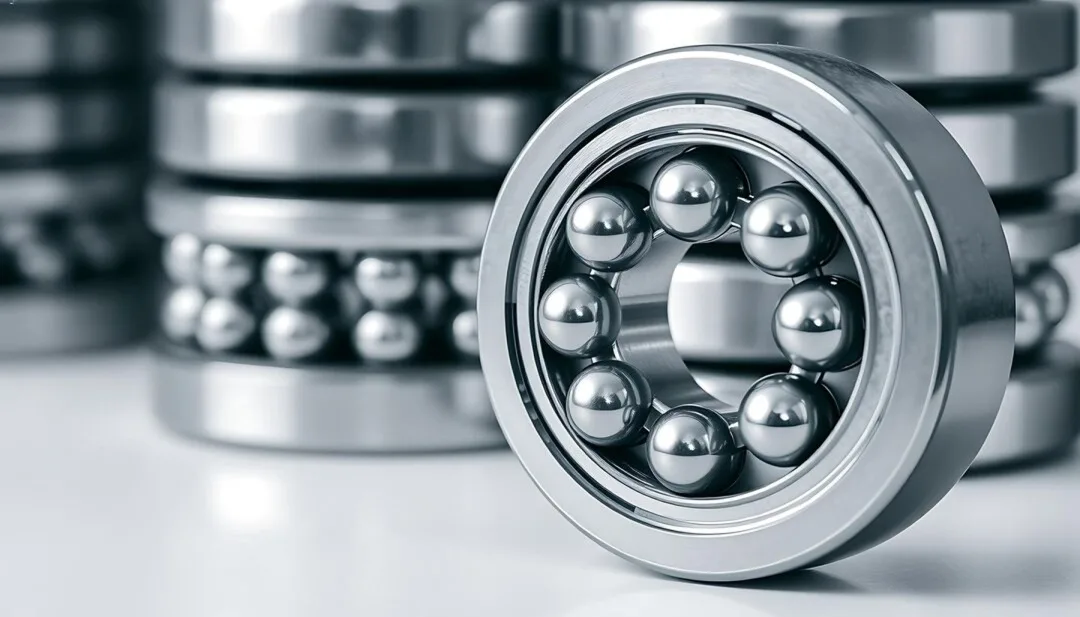
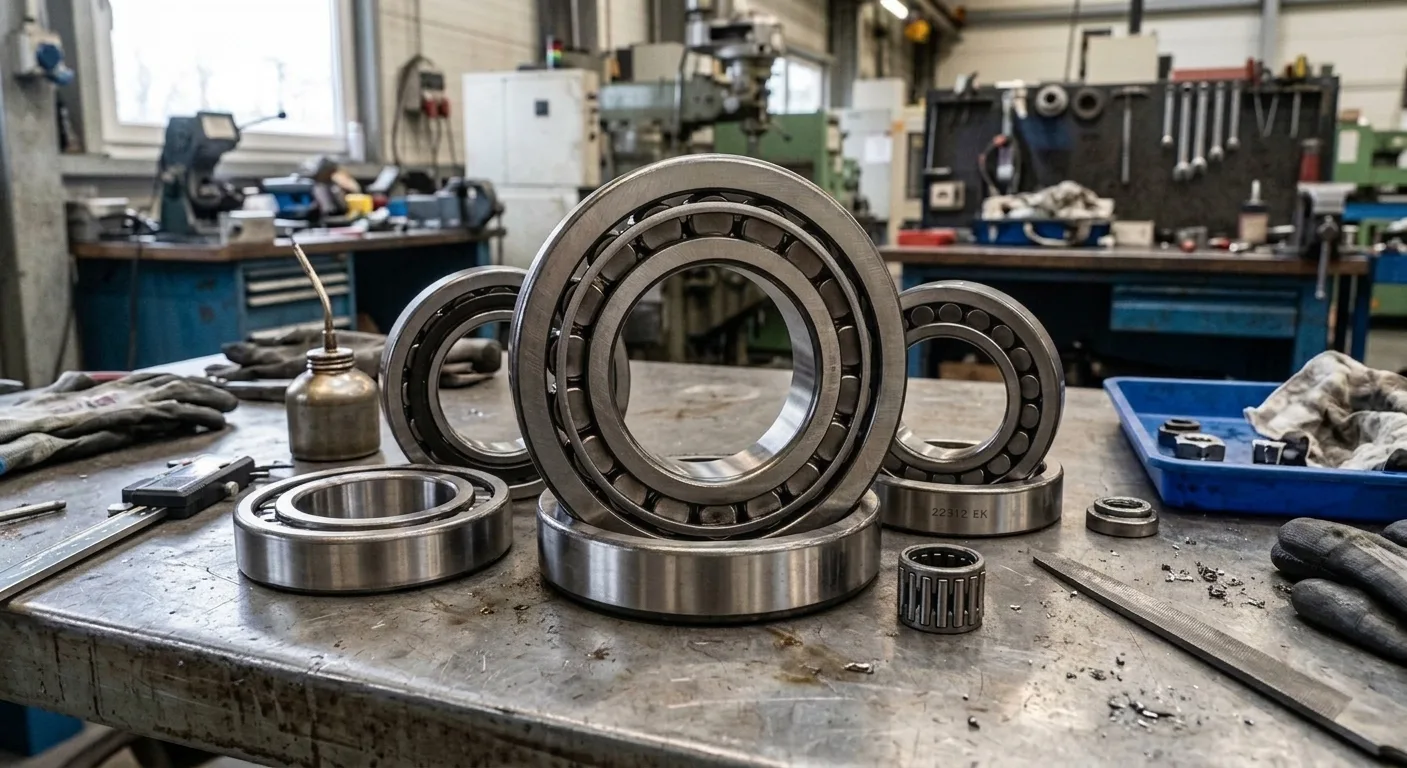
Roller bearings come in several designs, and the right option depends on how the machinery is expected to operate. Load, speed, available space, alignment, temperature, and the surrounding environment can all influence the selection. Understanding these factors before purchasing can help prevent compatibility issues and support better equipment performance.
Different roller bearing types are suited to different industrial requirements, so buyers should consider the application rather than choosing only by size or price. A clear understanding of roller bearing types, applications, and buying considerations can help manufacturers, maintenance teams, and purchasing professionals make more informed decisions when sourcing bearings for their equipment.
The Importance of the Bearing in a Machine
When a shaft rotates, the surrounding components need adequate support to prevent excessive resistance and wear. Bearings provide this support while allowing controlled movement.
In industrial machinery, the bearing may operate continuously, carry substantial loads, or work in environments where dust, vibration, and temperature changes are present. These conditions make the choice of bearing an important part of machine design and maintenance.
Different Machines Have Different Needs
A bearing used in a production line may have very different requirements from one installed in agricultural or construction equipment.
For example, heavy machinery may place considerable loads on its rotating components, while compact equipment may have limited space available for installation. High-speed machinery can introduce additional concerns related to heat and lubrication.
Understanding these differences helps engineers and purchasing teams identify a bearing arrangement that fits the actual application.
What Buyers Should Check
Before ordering a roller bearing, buyers should have basic information about the equipment available. The shaft and housing dimensions are important, but they are only part of the decision.
Other useful information includes the expected load, rotational speed, temperature range, alignment conditions, lubrication method, and surrounding environment.
Providing accurate details can make discussions with a supplier more productive and reduce the risk of selecting an unsuitable component.
Applications Across Industries
Roller bearings are used in many sectors because of their ability to support rotating components under different operating conditions.
They can be found in manufacturing machinery, gearboxes, conveyors, mining equipment, agricultural machines, automotive systems, pumps, compressors, and energy-related equipment.
The specific bearing arrangement will depend on the design and operating requirements of the machine.
Quality Can Affect Equipment Reliability
A bearing may be a relatively small part of a machine, but problems with the component can affect the larger system. Excessive wear, vibration, overheating, or premature failure can result when a bearing is unsuitable or does not meet the required specifications.
For this reason, industrial buyers often look at manufacturing consistency and quality-control practices when choosing a supplier. Technical documentation and clear product specifications can also help buyers verify that the component matches their requirements.
Buying From an International Supplier
For businesses purchasing bearings internationally, product selection is only one part of the process. Lead times, order quantities, packaging, documentation, shipping arrangements, and communication should also be considered.
Companies involved in industrial bearing supply to Russia need to coordinate these areas carefully, particularly when bearings are required on a regular basis. Planning orders in advance can make it easier to manage stock and organize international deliveries.
Making Maintenance Part of the Plan
The life of a roller bearing depends on more than its original quality. Installation, lubrication, alignment, cleanliness, and operating conditions can all influence how long it performs effectively.
Regular maintenance can help identify changes in vibration, noise, or temperature before they develop into larger equipment problems. Replacing a worn bearing at an appropriate time can also help protect other machine components.
Working With the Right Supplier
A good supplier should be able to provide more than a product catalogue. Industrial buyers may need assistance understanding specifications, checking availability, arranging quantities, and planning repeat orders.
For businesses with ongoing requirements, supplier consistency can be particularly useful. A dependable relationship can make routine procurement easier and provide better visibility into future orders.
Final Thoughts
Roller bearings are an important part of modern industrial machinery, but their suitability depends on the application. Load, speed, environment, dimensions, maintenance, and supply considerations should all be evaluated before making a purchasing decision.
Taking a practical approach to bearing selection and procurement can help businesses avoid unnecessary problems and support more dependable machine operation over time.