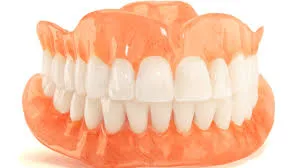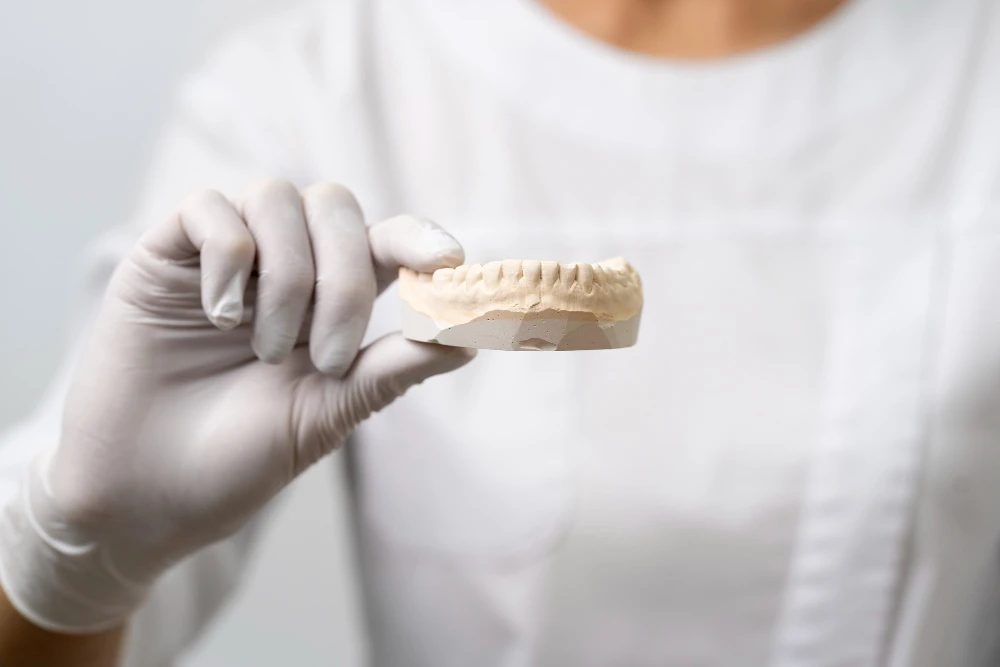
Dental prosthetics have evolved significantly with advancements in materials and digital manufacturing technologies. Today, clinicians and dental laboratories must carefully select restorative materials that provide strength, aesthetics, and long-term reliability. The right material not only affects the durability of a prosthetic but also influences patient satisfaction, clinical efficiency, and overall treatment success.
With the growing demand for durable and natural-looking restorations, understanding material characteristics has become more important than ever.
Why Material Selection Matters in Modern Dentistry?
The longevity of a dental prosthetic depends heavily on the material used during fabrication. Dentists and labs must consider several factors before choosing a material, including strength, aesthetics, wear resistance, and compatibility with digital workflows.
A reliable material should offer:
- High fracture resistance
- Excellent biocompatibility
- Natural-looking translucency
- Compatibility with CAD/CAM milling systems
- Long-term stability in the oral environment
Among the many materials used in modern restorative dentistry, the zirconia block has become one of the most widely adopted solutions for crowns, bridges, and full-arch restorations. Its exceptional strength and ability to withstand chewing forces make it particularly suitable for long-term prosthetic applications.
In addition to durability, this material also supports digital manufacturing, allowing dental labs to produce restorations with consistent precision and efficiency.
Strength and Durability for Long-Term Performance
One of the primary reasons dental professionals prioritize material selection is durability. Prosthetics must endure constant biting forces, temperature changes, and daily wear inside the oral cavity.
High-strength ceramic materials offer several advantages:
- Resistance to cracking and fractures
- Long-term structural stability
- Reliable performance for posterior restorations
- Reduced risk of restoration failure
For full-arch and implant-supported restorations, durability becomes even more critical. Patients expect restorations that last for years without complications, making high-performance ceramics an ideal option.
Strong materials not only improve clinical outcomes but also reduce the need for frequent repairs or replacements.
Achieving Natural Aesthetics
While strength is essential, aesthetics remain a key factor in prosthetic success. Modern patients expect restorations that blend seamlessly with natural teeth.
Advanced dental ceramics are designed to replicate the optical properties of natural enamel and dentin. This allows technicians to create restorations that deliver:
- Natural translucency
- Smooth surface finishes
- Gradual shade transitions
- Realistic tooth-like appearance
Multi-layered materials have further improved the aesthetic capabilities of dental prosthetics. These materials allow technicians to create restorations with natural gradients, reducing the need for extensive staining or layering.
As a result, patients receive prosthetics that look both functional and visually pleasing.
Compatibility with Digital Workflows
Digital dentistry has transformed how dental restorations are designed and manufactured. CAD/CAM technology allows dental laboratories to produce prosthetics with greater accuracy and efficiency.
Materials that integrate well with digital workflows provide several benefits:
- Faster production times
- Consistent milling results
- Reduced human error
- Improved precision in restoration design
With the increasing adoption of digital workflows, materials that perform well during scanning, designing, and milling processes are becoming the preferred choice for modern dental labs.
This compatibility helps streamline production while maintaining high restoration quality.
Balancing Strength, Aesthetics, and Efficiency
Selecting the right material for dental prosthetics requires balancing multiple factors. Strength ensures durability, aesthetics improve patient satisfaction, and digital compatibility enhances laboratory efficiency.
Dental professionals must evaluate each case carefully and choose materials that support both clinical and technical requirements. By prioritizing high-performance ceramics and modern digital workflows, clinicians and laboratories can deliver restorations that provide lasting function and natural appearance.
Ultimately, the right material choice plays a crucial role in creating dental prosthetics that are reliable, efficient to produce, and capable of meeting the expectations of today’s patients.