When you receive a skin cancer diagnosis, choosing the right treatment often feels confusing. Different treatment options offer different benefits, and the best choice depends on your skin condition, overall health, and treatment goals.
Learning how each option works helps you ask better questions and feel more confident during your consultation. If you are exploring Skin Cancer Treatment in California, understanding the differences between Mohs surgery and non-surgical therapies helps you make a more informed decision while protecting both your health and your appearance.
Why Early Treatment Matters
Skin cancer is easier to treat when it is found early. Prompt treatment helps prevent the condition from spreading deeper into the skin or affecting nearby tissues. Early care also increases the chance of preserving healthy skin and reducing visible scarring.
Regular skin checks, paying attention to new or changing spots, and seeking professional advice quickly all support better outcomes. Delaying treatment may lead to more complex procedures later.
Understanding Mohs Surgery
Mohs surgery is a specialized procedure that removes skin cancer one thin layer at a time. Each layer is examined under a microscope immediately. The process continues until no cancer cells remain.
This treatment offers several benefits:
- Removes as little healthy tissue as possible.
- Provides a high cure rate for many skin cancers.
- Works well for delicate areas such as the face, ears, nose, and hands.
- Helps preserve appearance whenever possible.
Although Mohs surgery is highly effective, it still involves surgery, local anesthesia, and a healing period. Recovery time varies depending on the size and location of the treated area.
When SRT May Be a Better Choice
Some patients may prefer or require a non-surgical option. In these situations, Superficial Radiation Therapy For Skin Cancer may become an appropriate treatment.
This therapy delivers low-energy radiation directly to the affected skin while protecting deeper tissues. Since it does not require cutting or stitches, many people appreciate its gentle approach.
Possible advantages include:
- No surgical incision.
- Minimal bleeding.
- Little interruption to daily activities.
- Comfortable treatment sessions.
- Good cosmetic results for selected cases.
Treatment usually takes place over multiple visits, allowing radiation to gradually eliminate cancer cells.
Comparing Both Treatment Options
Choosing between Mohs surgery and radiation therapy depends on several important factors rather than one single benefit.
FactorMohs SurgerySuperficial Radiation Therapy (SRT)Treatment MethodRemoves cancer one layer at a time using surgery.Uses low-energy radiation to treat cancer without surgery.Best ForPatients who are suitable for surgery and need precise tissue removal.Patients who prefer a non-surgical approach or cannot undergo surgery.RecoveryRequires wound healing after the procedure.Usually has little downtime and no surgical wound.ScarringSome scarring is possible depending on the treatment area.Often provides good cosmetic results with no surgical incision.Number of VisitsUsually completed in one treatment session.Typically requires several treatment sessions over a few weeks.Comfort LevelInvolves local anesthesia and a minor surgical procedure.Generally comfortable with no cutting or stitches.Decision FactorsDepends on cancer type, size, and location.Depends on medical history, skin condition, and treatment goals.Talking With Your Dermatology Team
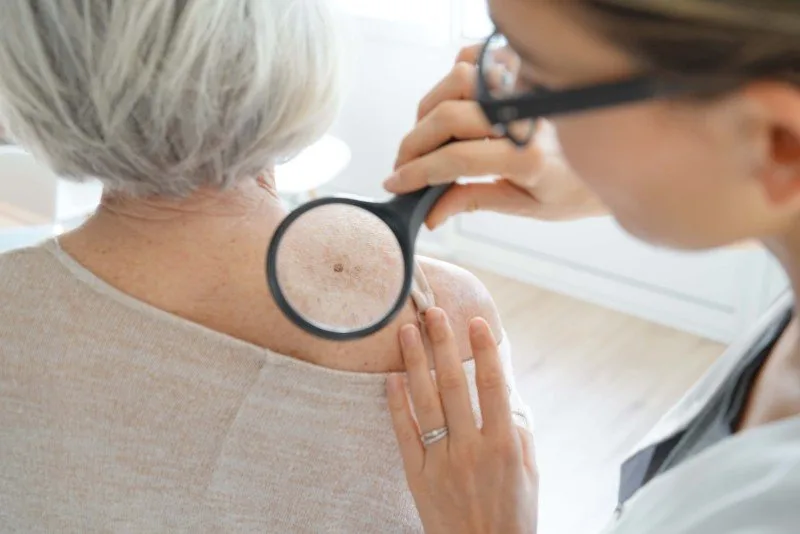
Choosing the right treatment always begins with a detailed skin evaluation. During your appointment, your specialist reviews several factors before creating a treatment plan.
Questions you may ask include:
- Which treatment best fits your diagnosis?
- What recovery should you expect?
- How many appointments are necessary?
- What cosmetic result is likely?
- How often should follow-up visits occur?
If you visit a clinic offering Temecula Dermatology services, your provider carefully explains every option so you understand both the benefits and possible limitations before treatment begins.
How to Make the Right Decision
Every patient has unique needs, so there is no universal treatment that suits everyone. A careful evaluation considers the size, depth, location, and type of skin cancer along with your overall health and lifestyle.
As you compare your options, understanding every benefit and limitation helps you feel more prepared during your consultation. Choosing the most suitable skin cancer treatment in California depends on your diagnosis, medical history, lifestyle, and the advice your dermatologist provides after a careful evaluation.
Your dermatologist explains the advantages and limitations of each option using clear information rather than guesswork. This discussion helps you choose a treatment that balances effectiveness, comfort, healing, and cosmetic results.
The goal is not simply removing cancer but also preserving healthy skin whenever possible while providing lasting peace of mind.
Recovery and Follow-Up Care
No matter which treatment you choose, follow-up care remains important. Regular appointments help ensure your skin heals properly and allow your dermatologist to monitor for any new concerns.
Simple habits also support long-term skin health:
- Wear sunscreen every day.
- Prevent a lot of sun exposure.
- Wear protective clothes outdoors.
- Perform regular self-examinations.
- Report unusual skin changes promptly.
Consistent monitoring helps detect future concerns before they become more serious.
Conclusion
Choosing between Mohs surgery and radiation therapy becomes much easier when you understand how each treatment works and what it offers. Your diagnosis, personal health, and treatment preferences all contribute to the final decision. With professional guidance and early care, you can move forward confidently toward effective skin cancer treatment in California that protects both your health and your quality of life.