The Importance of Chimney Liners for Baltimore Homes
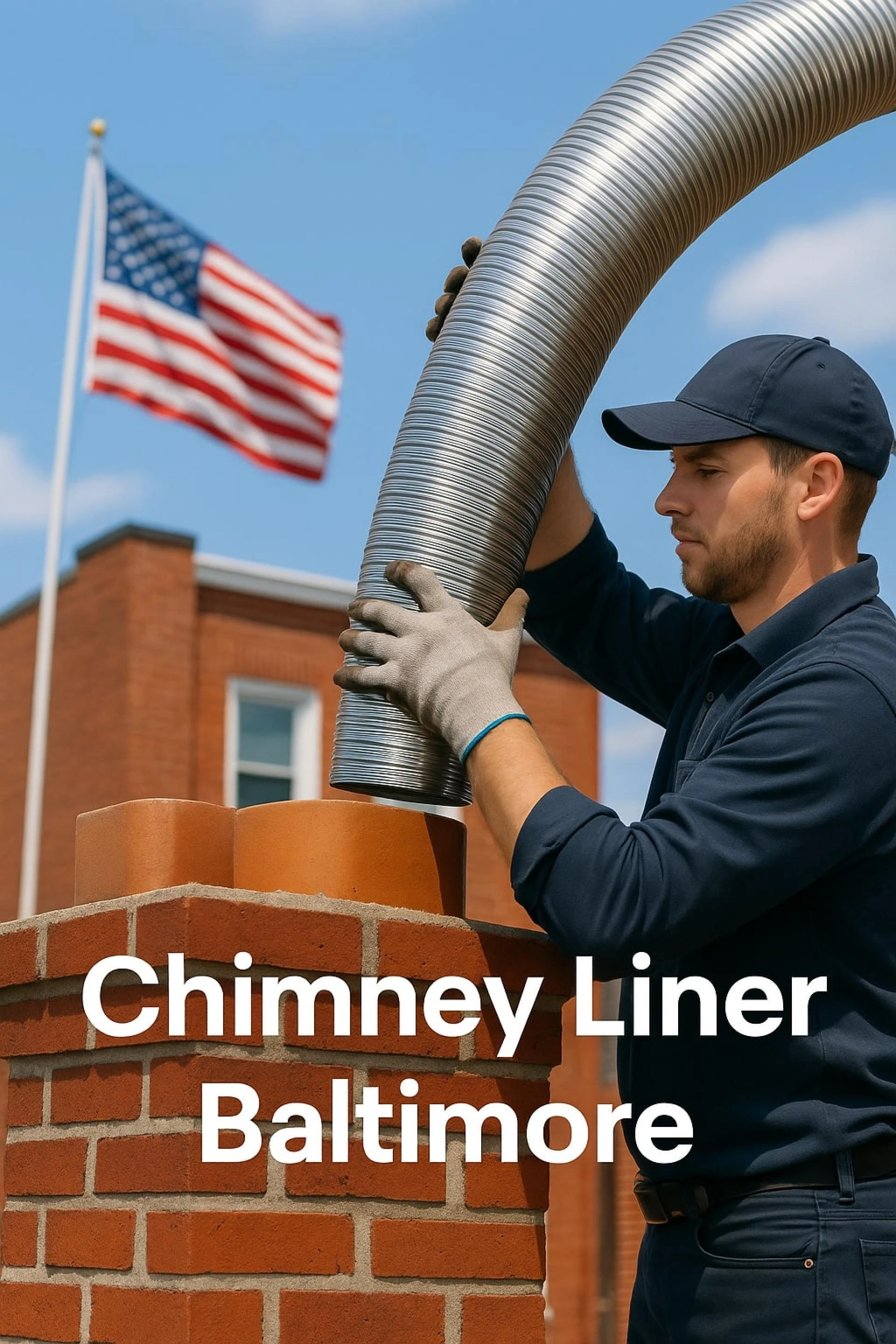
For many Baltimore families, a fireplace is more than just a feature—it is a practical source of heat and comfort during the winter. But what most homeowners do not see is the essential role of the chimney liner hidden inside the flue. A liner ensures that smoke and harmful gases leave your home safely, prevents heat from damaging nearby walls, and helps lower the chance of chimney fires.
When a liner becomes damaged or starts to fail, it can create dangerous conditions. Carbon monoxide leaks, fire risks, and structural deterioration are just a few of the problems that can result. That is why regular inspections and timely chimney liner Baltimore household.
What a Chimney Liner Does
A chimney liner is not just an extra layer—it is a critical safety barrier and efficiency booster. Its main purposes include:
- Preventing heat transfer that can ignite wood framing near the chimney
- Shielding masonry from erosion caused by smoke and acidic byproducts
- Guiding smoke and gases out of the house to maintain proper ventilation
- Improving energy efficiency by creating better draft for stronger fires
Warning Signs of Chimney Liner Damage
Many homeowners are unaware of liner problems until they become serious. Some common signs include:
- Smoke leaking into the room when the fireplace is on
- Strong or unusual odors from the chimney
- Crumbling or cracked clay tiles
- Tile pieces or other debris in the firebox
- Excess creosote buildup
- Reduced heating performance despite frequent use
If you experience any of these, schedule a professional inspection before the damage worsens.
Types of Chimney Liners Available in Baltimore
There are three main liner materials commonly used in Baltimore homes:
Type
Features
Best For
Lifespan
Clay Tile
Traditional, affordable, widely used in older homes
Wood-burning fireplaces
30–50 years
Stainless Steel
Strong, corrosion-resistant, works with multiple fuels
Gas, wood, or oil systems
20+ years
Cast-In-Place
Seamless cement-based coating that reinforces chimney walls
Restoring old or deteriorated chimneys
50+ years
Stainless steel remains the most popular option because it is versatile, reliable, and easier to install compared to other types.
Benefits of Hiring a Chimney Liner Specialist in Baltimore
Attempting to repair or replace a chimney liner without proper training is risky. Hiring a certified professional offers several benefits:
- Reduced risk of chimney fires and carbon monoxide leaks
- Compliance with local safety and building codes
- Improved heating performance and fuel efficiency
- Long-lasting results with fewer future repairs
- Professional warranties and safety testing for peace of mind
How Chimney Liner Installation Works
Professional installation usually follows a clear process:
- A camera inspection of the chimney flue to identify cracks or damage
- Cleaning the chimney and removing the old liner if necessary
- Installing the chosen liner (stainless steel, cast-in-place, or clay tile)
- Adding insulation and sealing gaps for energy efficiency
- Final testing to ensure proper airflow and safe operation
Average Costs for Chimney Liner Services in Baltimore
Service prices vary depending on the type of liner, chimney size, and complexity of installation. Typical ranges include:
Service
Estimated Cost
What’s Included
Chimney Inspection
$100 – $250
Camera scan and safety evaluation
Clay Tile Repair
$900 – $2,000
Tile replacement and sealing
Stainless Steel Liner Installation
$1,500 – $4,000
Full installation with insulation
Cast-In-Place Liner
$2,000 – $5,000
Seamless cement-based application
Investing in a high-quality liner can save thousands of dollars by preventing major chimney or structural repairs later.
Maintenance Tips for Longer Liner Life
To extend the lifespan of your chimney liner, Baltimore experts recommend:
- Scheduling a chimney inspection once a year, preferably before winter
- Getting professional chimney sweeping at least annually
- Using only seasoned firewood and avoiding damp or treated wood
- Installing a chimney cap to prevent water, debris, and animals from entering
- Repairing cracks, odors, or leaks as soon as they appear
Frequently Asked Questions
Is a chimney liner required by law?
Yes, most building codes require liners for safety and energy efficiency.
How long do liners last?
Clay liners can last 30–50 years, while stainless steel liners typically last 20+ years.
Can I install a chimney liner myself?
It is not recommended. Professional installation ensures a safe fit and long-term performance.
Which liner is best for my fireplace?
Stainless steel is often the best choice for versatility and durability, though cast-in-place works well for older chimneys.
Will a new liner improve heating efficiency?
Yes. A new liner improves airflow, resulting in better draft, cleaner burns, and reduced energy costs.
Conclusion: Protect Your Home with Professional Chimney Liner Services in Baltimore
A chimney liner may not be visible, but it plays one of the most important roles in keeping your home safe. From reducing the risk of fires to improving energy efficiency, it is a feature every Baltimore homeowner should take seriously.
If your chimney liner is old, damaged, or overdue for inspection, now is the time to act. Schedule professional chimney liner services in Baltimore to protect your family, lower your heating costs, and enjoy your fireplace without worry.
Read more Chimney Sweep Baltimore