
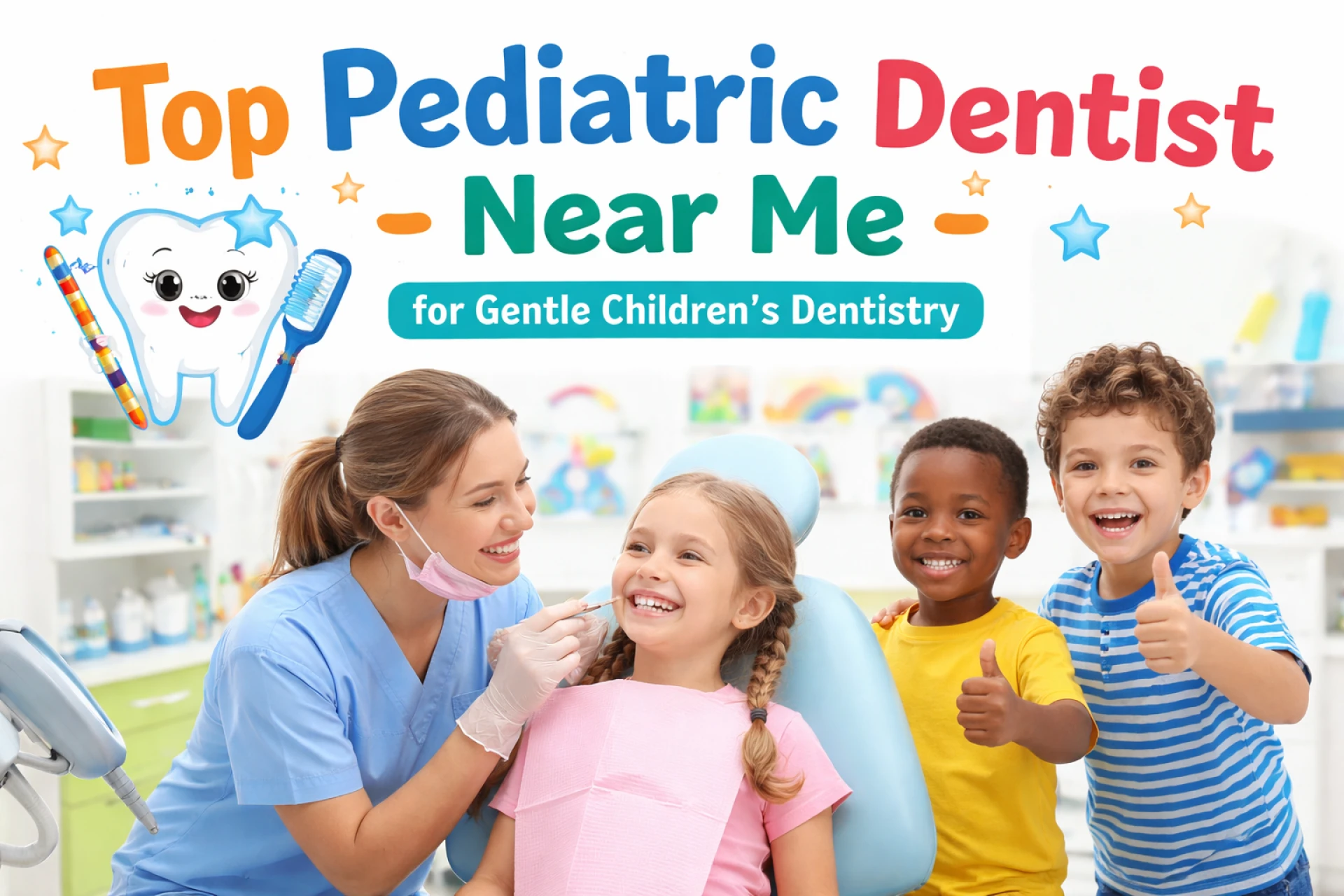
Finding the right dentist for your child can feel overwhelming. You want someone gentle, patient, and experienced—but also convenient, affordable, and trustworthy. If you’ve ever searched for a “Dentist near me montebello”, you’re not alone. Many families in the U.S. are looking for a dental home that supports both kids and adults with comfort and confidence.
The good news? Modern family dental clinics are designed to do exactly that—making visits easier, less stressful, and better for your long-term oral health.
Why Choosing the Right Family Dentist Matters
A great Montebello Dentist doesn’t just treat teeth—they build relationships. For children especially, early dental experiences shape how they feel about oral care for life.
Imagine this:
Your child is nervous before their first visit. A pediatric-focused dentist uses calm language, explains tools in a playful way, and keeps the visit short and positive. That one experience can turn fear into trust.
For adults, the benefits are just as important—early detection, preventive care, and clear guidance on maintaining healthy teeth and gums.
What Dental Services Are Available for Children and Adults in One Clinic?
Family dental clinics provide comprehensive care under one roof, which saves time and simplifies scheduling.
For Children:
Routine exams and cleanings
Fluoride treatments to strengthen enamel
Dental sealants to prevent cavities
Early orthodontic evaluations
Gentle cavity treatments
Guidance on thumb-sucking or pacifier habits
For Adults:
Professional cleanings and oral exams
Fillings, crowns, and bridges
Gum (periodontal) care
Teeth whitening and cosmetic treatments
Dental implants and restorative care
Having both services in one place means your entire family can receive consistent, coordinated care.
How Often Should Kids and Adults Visit a Family Dentist?
According to standard U.S. dental guidelines, you should plan regular visits based on age and oral health needs.
General Recommendations:
Children: Every 6 months starting by age 1 or when the first tooth appears
Adults: Every 6 months for preventive care
High-risk patients: May need visits every 3–4 months
Regular visits help catch problems early—before they become painful or expensive.
What Should I Expect During a First Family Dental Visit?
Your first visit sets the tone for future care. Here’s what usually happens:
1. Health History Review
You’ll discuss medical history, medications, and any dental concerns.
2. Comprehensive Exam
The dentist checks teeth, gums, bite alignment, and overall oral health.
3. X-rays (if needed)
Used to detect hidden issues like cavities or bone loss.
4. Professional Cleaning
Removes plaque and tartar buildup.
5. Personalized Care Plan
You’ll get recommendations tailored to your needs—whether it’s preventive care, treatment, or lifestyle changes.
For kids, dentists often use a “tell-show-do” approach to reduce anxiety—explaining each step in a friendly way before doing it.
How Can I Maintain Oral Health for Different Age Groups at Home?
Good dental habits start at home and evolve with age.
Infants & Toddlers:
Clean gums with a soft cloth
Use a small toothbrush with fluoride toothpaste (rice-sized amount)
Avoid putting your child to bed with a bottle
Children:
Brush twice daily for 2 minutes
Floss once daily
Limit sugary snacks and drinks
Encourage water over juice or soda
Teens:
Watch for orthodontic issues
Maintain consistent brushing/flossing
Avoid tobacco or vaping products
Adults:
Brush and floss daily
Use fluoride toothpaste
Maintain a balanced diet
Manage stress (which can affect gum health)
Consistency is key—small daily habits prevent major dental problems.
Are Pediatric and Adult Dental Treatments Handled Differently?
Yes, and that’s a good thing.
Pediatric Dentistry Focuses On:
Growth and development of teeth and jaws
Behavior management and comfort
Preventive care to avoid future issues
Adult Dentistry Focuses On:
Restoring damaged teeth
Managing gum disease
Cosmetic improvements
Long-term oral health maintenance
Children’s teeth are still developing, so treatments are more conservative and prevention-focused. Adults often require more restorative or maintenance-based care.
Common Concerns: Cost, Fear, and Insurance
Cost:
Preventive care is much more affordable than emergency treatment. Many clinics offer payment plans or membership programs.
Fear:
Modern dentistry is more comfortable than ever. Techniques like numbing gels, smaller tools, and patient-focused communication reduce discomfort significantly.
Insurance:
A good dental office will help you understand your coverage and maximize your benefits—so you’re not left guessing.
FAQs (People Also Ask)
Q: How do I find the best Dentist near me montebello?
Look for licensed professionals with strong patient reviews, experience in family dentistry, and a focus on gentle care.
Q: When should my child first see a dentist?
By age 1 or when the first tooth appears—whichever comes first.
Q: Are dental X-rays safe for kids?
Yes. Modern digital X-rays use very low radiation and follow strict safety guidelines.
Q: What if my child is afraid of the dentist?
Choose a pediatric-friendly clinic. Dentists trained in child behavior use calming techniques to ease anxiety.
Q: Can the same dentist treat my whole family?
Yes, family dentists are trained to care for both children and adults.
Building Long-Term Trust with Your Dentist
Choosing a reliable Montebello Dentist means more than convenience—it means creating a long-term partnership in your health. When you trust your dentist, you’re more likely to keep up with visits, follow recommendations, and maintain a healthy smile.
Take the Next Step Toward a Healthier Smile
If you’ve been delaying dental care or searching for a “Dentist near me montebello,” now is a great time to take action. Scheduling a simple check-up can prevent bigger issues down the road and give you peace of mind.
A gentle, family-focused dental clinic can make all the difference—for you and your child.
Medical Disclaimer
This article is for informational purposes only and does not replace professional dental advice. Always consult a licensed dentist for diagnosis, treatment, and personalized care recommendations.