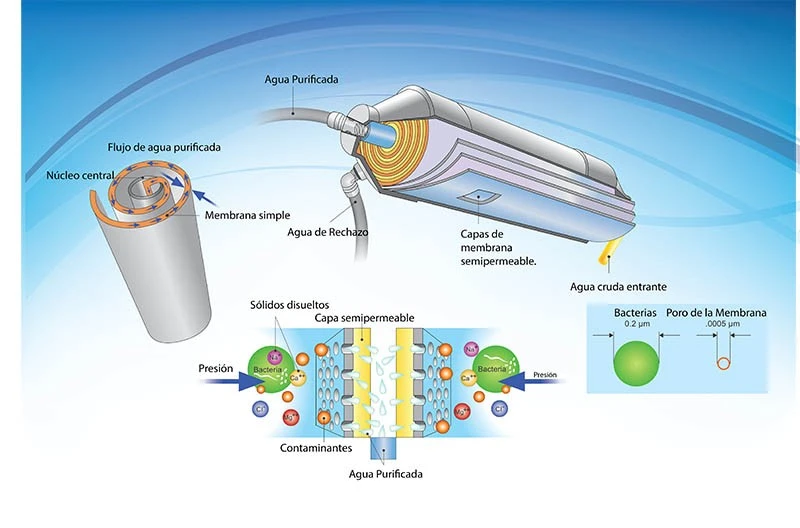
The Reverse Osmosis Membrane Market faces multiple pain points that affect stakeholders across the supply chain, from producers to end-users. These challenges arise from operational inefficiencies, technical complexities, and evolving market demands.
For manufacturers, one of the primary pain points is the constant pressure to innovate while keeping production costs manageable. The development of high-performance, energy-efficient membranes requires substantial R&D investment, and the returns can be slow, especially in a price-sensitive market.
End-users, such as municipal water utilities, industrial plants, and desalination facilities, often struggle with operational challenges like membrane fouling, biofilm buildup, and scaling. These issues not only reduce efficiency but also lead to unplanned downtime, increased maintenance costs, and premature membrane replacement.
Infrastructure developers face financing and project management pain points. High upfront costs, long payback periods, and the complexity of integrating RO systems into existing water treatment networks often create delays and budget overruns. Additionally, navigating environmental regulations and obtaining necessary permits can significantly extend project timelines.
Energy consumption remains a cross-cutting concern. Even with modern efficiency improvements, RO systems can demand substantial power, which is problematic for regions with limited energy resources or high electricity costs. This can hinder the feasibility of large-scale adoption.
Another pain point is supply chain vulnerability. Disruptions in raw material availability, shipping delays, and geopolitical tensions can lead to production bottlenecks, making it difficult to meet growing global demand in a timely manner.
Addressing these pain points requires targeted strategies, including developing more durable membranes, improving pretreatment processes, optimizing system designs, and fostering partnerships for shared infrastructure investment. Industry collaboration will be key to overcoming these persistent challenges.