
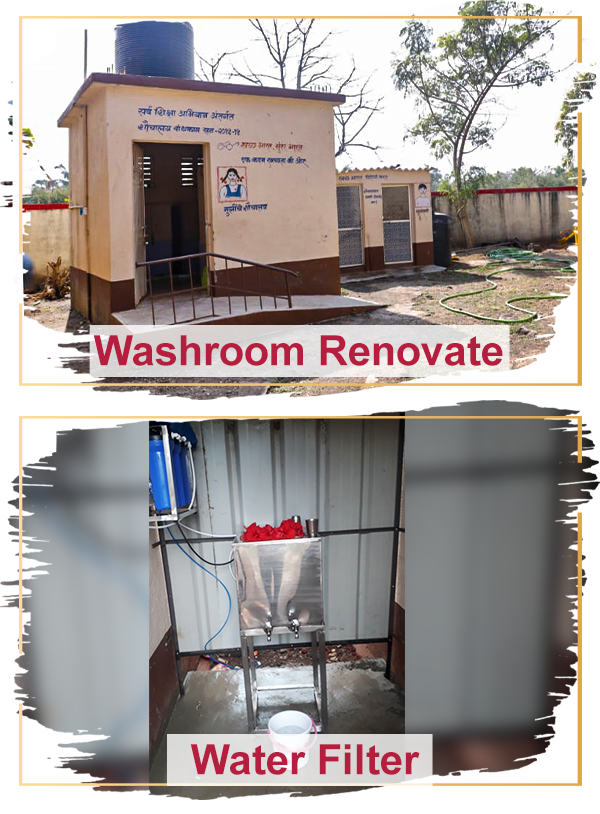
India has long been a country where philanthropy and social responsibility are deeply rooted in cultural values. From grassroots initiatives to large-scale development programs, charity organizations in India play a critical role in addressing socio-economic challenges. For individuals and institutions looking to create a meaningful difference, the donation of money to the poor remains one of the most direct and impactful ways to contribute.
Understanding the Role of Charity Organizations in India
Charity organizations operate across diverse sectors such as education, healthcare, rural development, women empowerment, child welfare, and disaster relief. These organizations act as intermediaries that identify vulnerable communities, assess their needs, and implement targeted interventions.
India’s vast population and regional diversity mean that poverty is not a one-dimensional issue. It includes lack of access to education, healthcare disparities, unemployment, and inadequate living conditions. Charity organizations work systematically to bridge these gaps by deploying structured programs, ensuring that resources reach the right beneficiaries efficiently.
Why Monetary Donations Matter
While volunteering and in-kind contributions are valuable, financial donations provide flexibility and scalability. Money allows organizations to:
- Fund long-term development projects
- Respond quickly during emergencies
- Invest in infrastructure like schools and healthcare centers
- Provide direct financial assistance to families in need
Monetary contributions also enable better planning and sustainability. Organizations can allocate funds where they are most urgently required, ensuring optimal utilization.
Key Areas Where Donations Create Impact
1. Education Support
Donations help fund scholarships, school supplies, digital learning tools, and infrastructure development. This directly contributes to breaking the cycle of poverty by empowering future generations.
2. Healthcare Access
Funds are used to organize medical camps, provide essential medicines, support surgeries, and improve healthcare facilities in underserved areas.
3. Women Empowerment
Financial contributions support skill development programs, self-help groups, and entrepreneurship initiatives for women, enabling financial independence.
4. Child Welfare
Donations ensure proper nutrition, shelter, education, and protection for underprivileged children, especially those in vulnerable situations.
5. Disaster Relief
In times of natural calamities, monetary donations allow rapid response, including food distribution, temporary shelter, and rehabilitation efforts.
Ensuring Transparency and Accountability
One of the most important aspects of donating is ensuring that funds are used ethically and effectively. Reputable organizations typically maintain transparency through:
- Annual reports and financial disclosures
- Impact assessments and case studies
- Regular donor updates
- Third-party audits
Donors should look for these indicators before contributing. This builds trust and ensures that contributions lead to tangible outcomes.
The Growing Role of Global Collaboration
In recent years, there has been a noticeable increase in cross-border collaborations aimed at social development in India. International stakeholders—whether individuals, institutions, or corporate entities—are increasingly aligning their efforts with local organizations to maximize impact.
Such collaborations bring in not just funding but also knowledge exchange, technological support, and innovative approaches to problem-solving. While the primary goal remains humanitarian, these partnerships often result in more structured and scalable solutions.
Strategic Approach to Giving
To make donations more effective, consider a strategic approach:
- Define Your Focus Area: Choose a cause that aligns with your values
- Research Thoroughly: Evaluate the organization’s credibility and track record
- Start Small, Scale Gradually: Begin with smaller contributions and increase over time based on trust
- Track Impact: Engage with updates and reports to understand how your funds are being used
This approach ensures that your contributions are not just charitable but also impactful and sustainable.
Digital Transformation in Donations
Technology has simplified the process of donating. Today, online platforms allow seamless transactions, global accessibility, and real-time tracking. Digital tools also enable organizations to reach a wider audience, making it easier for international donors to participate in social initiatives in India.
Features like automated receipts, tax benefits, and transparent fund allocation further enhance donor confidence.
Ethical and Social Responsibility
Donating money is not just an act of kindness—it is a responsibility. Ethical giving involves understanding the root causes of poverty and supporting initiatives that promote long-term development rather than temporary relief.
Sustainable change comes from empowering communities, not just assisting them. Therefore, supporting programs that focus on education, skill development, and self-reliance is crucial.
Conclusion
Charity organizations in India serve as vital agents of change, addressing complex social issues with structured and impactful solutions. The donation of money to the poor remains one of the most effective ways to contribute to this ecosystem, enabling both immediate relief and long-term development.
As global awareness and connectivity increase, opportunities to participate in meaningful social impact initiatives are expanding. By making informed and strategic contributions, individuals and organizations can play a significant role in building a more equitable and inclusive society.