Most travel guides about Jaisalmer focus on the same attractions: the fort, the sand dunes, camel rides, and sunset photography. While these experiences are undoubtedly worth experiencing, they often overlook a more interesting question: why do so many travelers leave the desert feeling that it was the most memorable part of their Rajasthan journey?
After observing travel trends, reading traveler reviews, and speaking with people who have explored western Rajasthan, a pattern becomes clear. The desert is not simply a destination. It changes the pace at which people travel, think, and interact with their surroundings. This may explain why desert tourism continues to grow despite offering fewer conventional attractions than many major cities.
The Desert Offers Something Modern Travel Often Lacks
Many popular tourist destinations are built around constant activity. Visitors move quickly from one attraction to another, trying to maximize their itinerary.
The Thar Desert operates differently.
The landscape itself encourages travelers to slow down. There are no towering skyscrapers, crowded shopping districts, or endless entertainment options competing for attention. Instead, visitors are surrounded by open horizons, changing colors in the sand, and an environment that rewards observation rather than constant movement.
This slower pace creates a different type of travel experience. Rather than checking attractions off a list, visitors often spend more time appreciating the environment itself.
Why the Desert Feels Larger Than Photographs Suggest
One of the most common observations among first-time visitors is that photographs rarely capture the scale of the desert.
Social media is filled with images of sand dunes and camel safaris, but standing in the middle of the Thar Desert creates a very different impression. The vastness of the landscape becomes immediately apparent. Distances appear greater, sounds travel differently, and the horizon seems endless.
Travel researchers often discuss the psychological effect of open landscapes. Large natural environments can create a sense of perspective that is difficult to experience in urban settings. The desert provides this feeling in a particularly powerful way.
Cultural Experiences Matter More Than Most Travelers Expect
Many visitors initially arrive for the scenery but leave talking about the people.
Rajasthan's desert communities have developed unique traditions shaped by centuries of life in challenging environmental conditions. Folk music, storytelling, handicrafts, and local cuisine all reflect this history.
Unlike staged tourist performances found in some destinations, many desert cultural experiences remain closely connected to local traditions. This authenticity is one reason travelers often describe Jaisalmer as one of the most culturally rewarding destinations in India.
The popularity of traditional Rajasthani music among international visitors is particularly interesting. Even when travelers do not understand the language, they frequently connect with the emotional energy and storytelling elements of the performances.
The Rise of Experience-Based Tourism
The travel industry has undergone a significant shift over the past decade.
Research from organizations such as the United Nations World Tourism Organization (UNWTO) has repeatedly highlighted the growing demand for experiential travel, where visitors prioritize meaningful activities over traditional sightseeing.
Jaisalmer fits naturally into this trend.
The destination offers opportunities to experience desert landscapes, local traditions, regional cuisine, and outdoor activities within a single journey. Travelers are not simply observing the environment; they are participating in it.
This may explain why many visitors consider desert experiences more memorable than visits to destinations with a larger number of attractions.
What Travelers Should Consider When Choosing Desert Accommodation
One common misconception is that all desert accommodations offer essentially the same experience.
In reality, the quality of the surrounding environment, cultural activities, hospitality standards, and location can significantly influence a traveler's overall experience.
For example, some properties focus primarily on adventure activities, while others emphasize cultural immersion, traditional hospitality, and relaxation. Understanding personal travel goals before booking accommodation can lead to a much more satisfying experience.
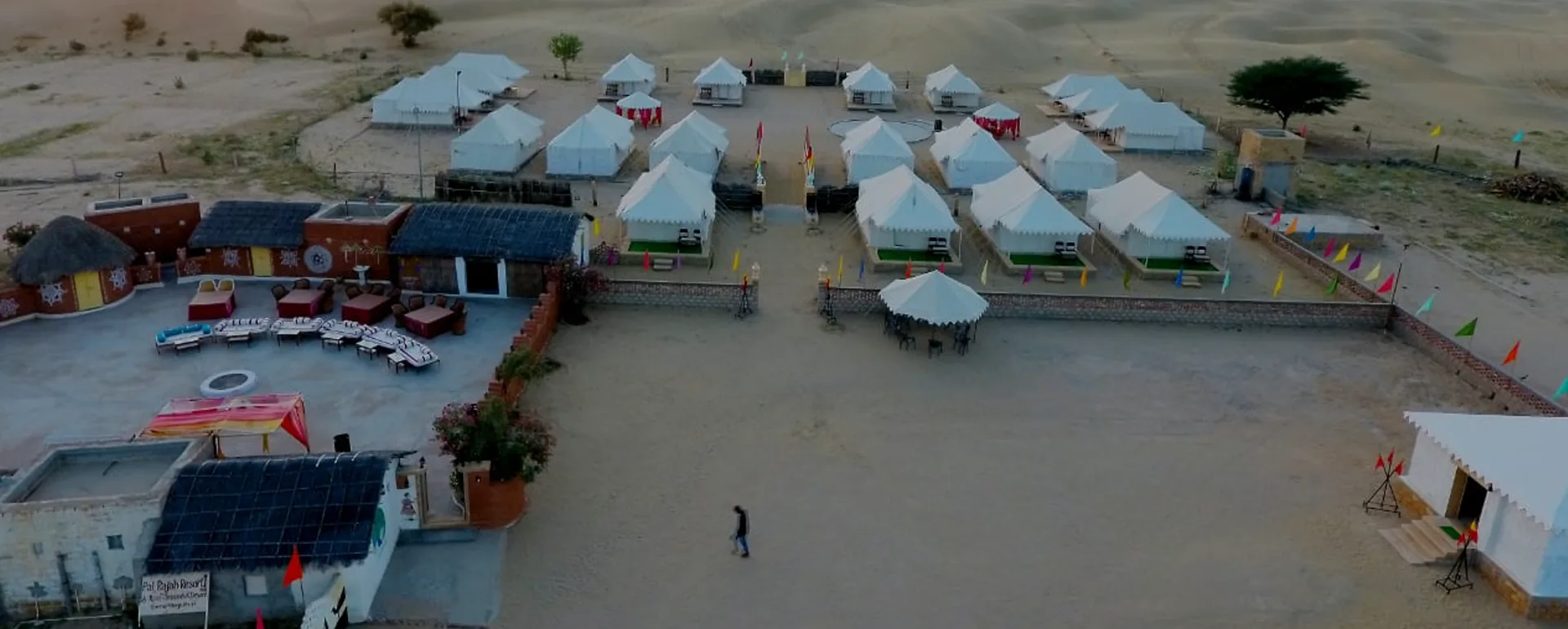
Travelers seeking a Premium Resort in Jaisalmer often prioritize a balance between comfort and authenticity. The goal is not simply luxury but the ability to experience the desert without losing the sense of place that makes the region unique.
Similarly, visitors researching a Top Resort in Jaisalmer are increasingly looking beyond room photographs and amenities. They want meaningful experiences, access to natural surroundings, and opportunities to engage with local culture.
The Desert After Sunset Is a Different World
Most tourism marketing focuses on sunsets, but many experienced travelers argue that the desert becomes even more interesting after dark.
Away from major urban centers, the night sky over the Thar Desert can be remarkably clear. Stargazing opportunities are often better than visitors expect, particularly during certain seasons.
The cooler evening temperatures also change the atmosphere dramatically. Conversations become longer, cultural performances feel more intimate, and the landscape takes on a completely different character.
For many travelers, these quiet evening moments become the most memorable part of the trip.
A Counterargument: Is Desert Tourism Overrated?
Some travelers argue that once you have seen a few dunes and experienced a camel ride, there is little else to do.
This criticism is understandable but often reflects a particular approach to travel.
Visitors who treat the desert as a checklist attraction may indeed find it repetitive. However, travelers who engage with local culture, explore beyond the main tourist areas, and spend time appreciating the environment often report a very different experience.
The value of desert tourism lies less in the number of attractions and more in the quality of the experience.
The Real Takeaway
The success of Jaisalmer as a travel destination cannot be explained solely by its fort, dunes, or cultural performances. Its appeal comes from something less tangible.
The desert offers a rare opportunity to slow down, disconnect from constant stimulation, and experience a landscape that operates according to its own rhythms.
As travel continues to evolve, destinations that provide authentic and meaningful experiences are likely to become even more valuable. Jaisalmer's desert environment is uniquely positioned to meet this demand.
For travelers planning a journey to Rajasthan, the most useful question may not be whether the desert is worth visiting. A better question is whether they are willing to experience travel at a different pace than they are accustomed to.
Those who are often discover that the desert leaves a stronger impression than they ever expected.