The global shift toward sustainable energy has put the spotlight on biomass technology. A biomass wood pellet machine is a critical tool in this movement, helping convert agricultural and forestry waste into clean, efficient fuel. However, while these machines offer significant benefits, they are not without their challenges.
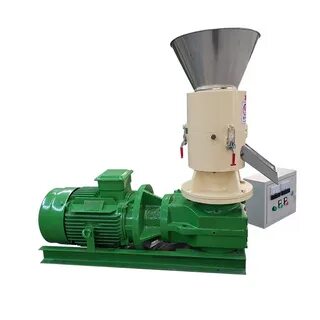
From raw material issues to machine maintenance, operators often encounter obstacles that can impact efficiency and productivity.
Let’s explore the most common challenges faced during biomass wood pellet machine operation and practical solutions to overcome them.
1. Inconsistent Raw Material Quality
One of the biggest challenges in operating a biomass wood pellet machine is dealing with raw materials of inconsistent quality. Variations in moisture content, particle size, and type of biomass (such as sawdust, rice husk, or wood chips) can lead to poor pellet formation and machine clogging.
Solution:
Always pre-process your biomass. Use drying equipment to maintain optimal moisture content (usually between 10-15%). Also, ensure uniform size by using a hammer mill or chipper before feeding the material into the biomass wood pellet machine. Establishing a strict quality control process for raw materials can significantly improve pellet consistency.
2. Pellet Formation Issues
Pellets coming out too soft, cracked, or irregular in shape are a common problem. This often results from incorrect pressure settings, improper die compression ratio, or unsuitable raw material composition.
Solution:
Adjust machine settings according to the type of biomass being used. The die and roller gap should be properly calibrated. It’s also important to use a biomass wood pellet machine that allows for flexible adjustment and has multiple die sizes available. Testing small batches before full-scale production can help fine-tune settings for optimal results.
3. Overheating of the Machine
Overheating is a frequent concern during continuous operation. When a biomass wood pellet machine runs too hot, it may damage internal components and reduce pellet quality due to burnt material.
Solution:
Ensure proper ventilation and regular machine lubrication. Install temperature monitoring systems to track internal heat levels. Cooling systems, such as fans or water cooling jackets, can also help maintain safe operating temperatures. Scheduled breaks during production can prevent excessive heat buildup.
4. Die and Roller Wear and Tear
Since the die and rollers are under constant pressure, wear and tear are inevitable. Dull or damaged parts can lead to lower output and increased energy consumption.
Solution:
Routine maintenance is crucial. Inspect the die and rollers regularly and replace them when necessary. Using high-quality components made from hardened steel can also extend the lifespan of your biomass wood pellet machine. Keeping spare parts on hand ensures you can quickly fix problems and minimize downtime.
5. Blockages and Clogging
Clogging can halt production entirely, especially when sticky or fibrous materials are used. It’s a common operational issue for any biomass wood pellet machine operator.
Solution:
Clean the feeding system and die holes regularly to prevent buildup. Avoid mixing incompatible materials, and use binders if necessary to improve material flow. Additionally, maintaining a balanced feed rate can help prevent clogs during continuous operation.
6. High Energy Consumption
While producing biomass pellets is eco-friendly, the process itself can become energy-intensive if not optimized. High power consumption increases production costs and affects profitability.
Solution:
Use energy-efficient motors and smart controllers to regulate power usage. Monitor the energy output ratio to identify inefficiencies. Investing in a modern, well-calibrated biomass wood pellet machine can result in substantial long-term energy savings.

7. Lack of Operator Training
Even the best biomass wood pellet machine can’t perform optimally without a well-trained operator. Improper handling can lead to breakdowns, accidents, and lower pellet quality.
Solution:
Provide hands-on training and detailed operational manuals to staff. Partnering with experienced manufacturers like Aryan Engineers ensures that you receive expert guidance, post-installation support, and access to user-friendly systems. A knowledgeable operator is the key to unlocking the full potential of your pelletizing system.
Final Thoughts
Operating a biomass wood pellet machine is both an art and a science. While challenges are common—from raw material inconsistencies to mechanical failures—they can be effectively managed with the right knowledge and preparation. Regular maintenance, quality inputs, skilled operators, and reliable equipment are the pillars of a successful pellet production setup.
Companies that invest time in understanding and resolving these operational hurdles will not only improve efficiency but also contribute to a more sustainable and greener future. Whether you’re a small-scale producer or an industrial biomass facility, overcoming these challenges can transform your biomass wood pellet machine into a powerhouse of clean energy production.