
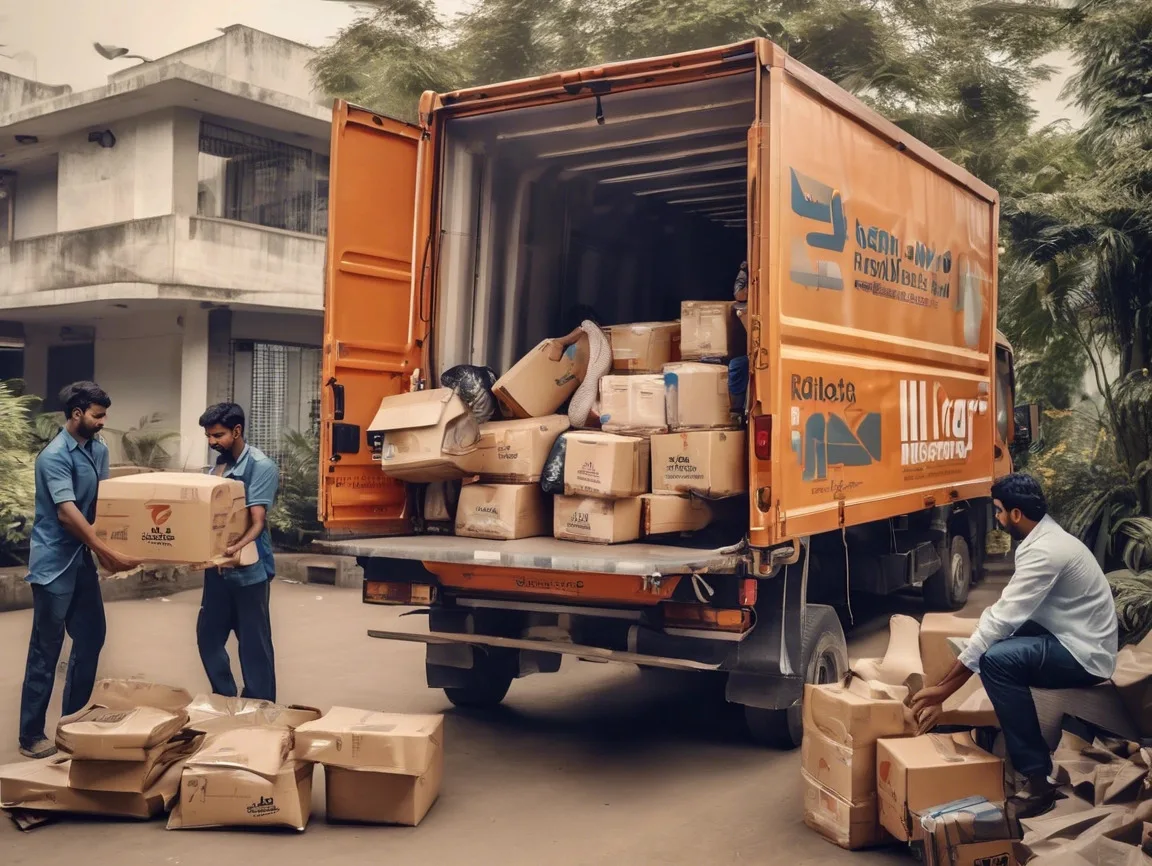
Big urban moves are rarely as simple as loading household belongings onto a truck and driving to the new address. Moving within or across a busy city can involve narrow roads, apartment restrictions, heavy furniture, traffic delays, limited parking, fragile belongings, and strict moving schedules. For households with a large volume of possessions, proper planning becomes especially important. Packers and movers in Chennai can help manage these challenges by organising the move around the property, inventory, transportation requirements, and delivery conditions.
Major Challenges Involved in Big Urban Moves
Large household relocations require more coordination than smaller moves. Several practical issues can affect how smoothly the process works.
1. Limited Access Around the Property
Urban homes and apartments may not always provide convenient access for a moving vehicle. A building may have a narrow entrance, limited parking space, or a road where stopping for an extended period is difficult.
Movers need to assess these conditions before moving day. Understanding the width of the entrance, available loading area, staircase access, lift availability, and possible vehicle restrictions helps determine how items should be moved from the property to the vehicle.
2. Managing a Large Inventory
A bigger home can contain hundreds of individual items, including furniture, kitchenware, electronics, clothes, documents, appliances, and decorative pieces. Without an organised inventory, items can easily become difficult to track.
Creating a room-wise inventory before packing makes the process easier. Each box can be labelled according to its room and contents. Important items can also be separately identified so that they receive additional attention during loading and unloading.
3. Protecting Large and Fragile Items
Large furniture may be difficult to carry through staircases, corridors, and doorways. At the same time, fragile items such as glassware, mirrors, decorative pieces, and electronics require careful packing.
Proper protective materials can reduce the possibility of scratches, dents, breakage, and surface damage. Furniture may need wrapping and corner protection, while fragile articles should be packed with suitable cushioning and placed securely inside appropriately sized boxes.
4. Coordinating With Apartment Management
High-rise apartments and gated communities often have their own moving rules. Residents may need to reserve service lifts, inform security staff, provide vehicle details, or follow specific time slots for loading and unloading.
Ignoring these requirements can create unnecessary delays. A better approach is to confirm the building's moving guidelines before the scheduled date and share the necessary information with the moving team.
Best Practices for Handling Large Urban Relocations
Good preparation can make a major difference when moving a large household.
Conduct a Pre-Move Assessment
A physical or detailed pre-move assessment allows the moving team to understand what needs to be transported and how the property can be accessed. The assessment should consider the quantity and type of belongings, furniture dimensions, floors involved, lift availability, parking conditions, and destination access.
This information helps determine the manpower, packing requirements, vehicle size, and approximate time needed for the move.
Create a Detailed Inventory
An inventory should be prepared before packing begins. Divide belongings into categories such as furniture, appliances, electronics, kitchen items, clothing, documents, and personal essentials.
Photographs can also be useful for documenting the condition of valuable furniture and appliances before transportation. This creates a reference that can be checked during delivery.
Pack According to Item Type
Not everything should be packed in the same way. Books require sturdy cartons, fragile kitchenware needs cushioning, electronics should receive suitable protection, and furniture may require protective wrapping.
Room-wise packing can also make unpacking easier. For example, boxes containing bedroom items can be clearly marked so they can be taken directly to the appropriate room at the destination.
Prepare Appliances Before Moving
Large appliances often require additional preparation before transportation. Refrigerators, washing machines, air conditioners, televisions, and other equipment should be prepared according to their individual requirements.
Loose components should be secured or packed separately, while detachable parts can be labelled to make reassembly easier. Appliances should also be checked before they are handed over.
Making Loading and Transportation More Efficient
Loading a large household requires more than simply filling the vehicle. The order in which belongings are placed can affect both space utilisation and unloading.
Heavy and sturdy items generally need to be positioned securely, while fragile belongings should receive appropriate protection. Boxes should be arranged to minimise unnecessary movement during transit.
Packers and Movers in Chennai can make the process more organised by following a planned loading sequence and keeping fragile, essential, and room-specific belongings identifiable throughout the move.
Keep Essential Belongings Separate
Documents, jewellery, medicines, chargers, basic clothing, toiletries, important keys, and other immediate necessities should ideally remain with the household rather than being placed deep inside the moving vehicle.
An easily accessible essentials bag can save considerable time after reaching the new property.
Confirm the Delivery Plan
Before the vehicle leaves, confirm the destination address, contact details, preferred delivery timing, building access instructions, and any parking restrictions.
If the new property is an apartment, the service lift or loading area may also need to be coordinated in advance. Having these details ready helps reduce confusion when the vehicle reaches the destination.
What to Check on Moving Day
Moving day can become hectic, particularly when a large number of belongings are involved. A simple checklist can help maintain control.
- Check that all rooms have been cleared before the vehicle departs.
- Verify the inventory against packed boxes and larger items.
- Keep important documents and personal valuables separately.
- Photograph valuable belongings before loading.
- Confirm the destination address with the moving team.
- Make sure fragile boxes are clearly identified.
- Check that appliances and furniture are properly protected.
- Keep essential items accessible during the journey.
- Inspect delivered belongings before final unpacking.
A little organisation at each stage can prevent small mistakes from turning into bigger problems.
Reducing Stress During a Large City Move
Large urban moves can be physically and mentally demanding because several activities happen simultaneously. One useful approach is to divide the relocation into stages instead of trying to complete everything at once.
Start with decluttering, followed by inventory preparation, packing, property coordination, transportation, delivery, and finally unpacking. Items that are rarely used can be packed earlier, while everyday essentials can remain accessible until the final stage.
It is also useful to communicate clearly with everyone involved. Family members should know what is being moved, building management should be informed about the schedule, and the moving team should receive accurate information about both properties.
Conclusion
A big city relocation becomes easier to manage when access conditions, packing requirements, inventory, transportation, and delivery are planned together rather than handled separately. Working with packers and movers in Kolathur can be considered as part of a broader moving plan, particularly when the relocation involves a large household and multiple logistical challenges. The key is to prepare early, document belongings, communicate property restrictions, and keep essential items organized throughout the move.