
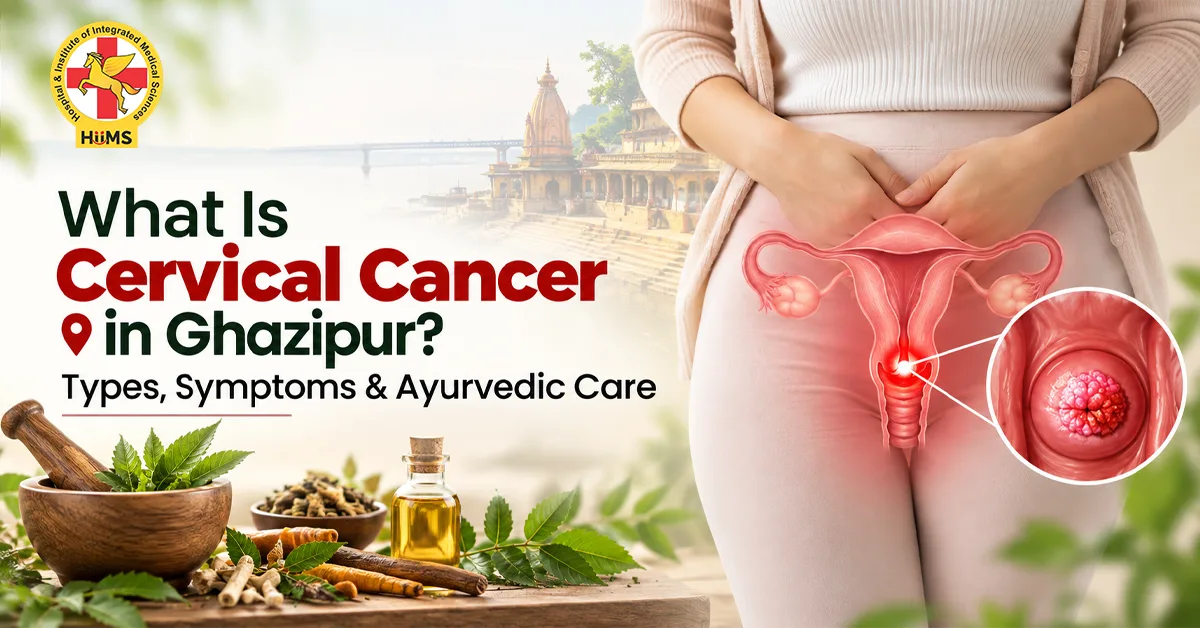
Cervical cancer is a serious health condition that can affect women at different stages of life. For families in Ghazipur, receiving information about cancer can bring fear, confusion, and many questions. One of the first things women and families want to understand is how this disease begins and what signs they should watch for.
The cervix is the lower portion of the uterus that connects to the vagina. Cervical cancer develops when cells in this area begin growing abnormally and without proper control. In most cases, persistent infection with certain high-risk types of human papillomavirus, commonly called HPV, is involved.
The condition can develop gradually, and early changes may not cause obvious symptoms. This is why awareness and timely medical evaluation are important.
A district-wise study from Uttar Pradesh, based on National Family Health Survey data, reported that only around 1.3% of women aged 30–49 in Ghazipur had ever undergone cervical cancer screening, compared with about 1.5% across Uttar Pradesh. This highlights the importance of better awareness about women's health.
This guide explains the different types of cervical cancer, possible warning signs, risk factors, and the supportive role Ayurveda may have in overall wellbeing.
What Is Cervical Cancer?
The cervix is the narrow lower part of the uterus that opens into the vagina. Cervical cancer starts when cells in this area develop abnormal changes and continue multiplying without normal control.
In many cases, these changes are associated with a persistent high-risk HPV infection. Most HPV infections do not become cancer, but some can remain in the body for years and gradually affect cervical cells.
If the disease progresses without treatment, it may spread beyond the cervix to nearby tissues or other parts of the body.
Women who experience unusual bleeding, persistent discharge, pelvic discomfort, or other unexplained changes should seek advice from a qualified healthcare professional.
What Are the Main Types of Cervical Cancer?
Cervical cancer is generally classified according to the type of cell where it begins.
Squamous Cell Carcinoma
This type develops in the thin, flat cells covering the outer surface of the cervix. It is the most common form of cervical cancer.
Adenocarcinoma
Adenocarcinoma begins in the glandular cells that produce mucus inside the cervical canal. Some cases may be more difficult to detect at an early stage.
Adenosquamous Carcinoma
This less common form contains characteristics of both squamous cell carcinoma and adenocarcinoma.
Identifying the type is important because it helps healthcare professionals understand the disease and determine appropriate management.
Common Warning Signs to Know
Cervical cancer may not produce noticeable symptoms during its early stages. When signs do appear, they may sometimes be mistaken for common menstrual or reproductive health problems.
Possible symptoms include:
- Bleeding between menstrual periods
- Bleeding after sexual intercourse
- Bleeding after menopause
- Periods that become heavier or last longer
- Watery or blood-stained vaginal discharge
- Unusual or foul-smelling discharge
- Pain in the lower abdomen or pelvis
- Pain during intercourse
In more advanced cases, a woman may experience back pain, swelling in the legs, painful urination, or unusual tiredness.
These symptoms do not necessarily mean that cancer is present. Several other health conditions can cause similar problems. Persistent or unusual symptoms should therefore be evaluated professionally.
Factors That May Increase the Risk
Persistent infection with high-risk HPV is the major factor associated with cervical cancer. However, certain other conditions and lifestyle factors may also increase the risk.
These can include:
- Smoking or tobacco use
- A weakened immune system
- Previous abnormal cervical health results
- Certain reproductive health factors
- Lack of recommended preventive examinations
- Persistent infection with high-risk HPV
Having one or more of these factors does not mean that a woman will definitely develop cervical cancer. However, knowing personal risk factors can encourage better preventive care.
Why Early Detection Is Important
Cervical cancer often develops over a long period. Abnormal cell changes may occur before invasive cancer develops, providing an opportunity for detection and appropriate management.
Regular cervical health checks can help identify concerning changes earlier. Depending on age, medical history, and healthcare guidelines, a professional may recommend HPV testing, cervical cell examination, or other investigations.
An abnormal result does not automatically mean cancer. Further evaluation may be recommended to understand the reason for the change.
How Does Ayurveda View Such Conditions?
Ayurvedic literature does not use the modern medical term "cervical cancer." Traditional Ayurvedic concepts describe certain abnormal growths using terms such as Granthi and Arbuda.
From an Ayurvedic perspective, health is influenced by factors such as dosha balance, digestion, nutrition, lifestyle, sleep, and mental wellbeing.
This traditional perspective focuses on the individual as a whole rather than looking at only one symptom.
However, traditional concepts should not be considered a modern diagnosis of cervical cancer. Anyone diagnosed with cancer should receive appropriate medical evaluation and treatment.
Ayurvedic Supportive Care for Overall Wellbeing
Ayurvedic care may be considered as supportive care alongside appropriate medical management. The approach can be personalised according to the person's health condition, nutritional needs, lifestyle, and overall strength.
Aahar – Food
A balanced diet with vegetables, pulses, whole foods, and seasonal fruits can help provide essential nutrients. Dietary changes should be adapted to individual needs, particularly during cancer treatment.
Vihar – Lifestyle
Adequate sleep, gentle movement, breathing practices, relaxation, and a suitable daily routine may support general wellbeing.
Shaman – Medicines
Ayurvedic medicines or herbs may be considered after individual assessment. Products such as Ashwagandha, Giloy, or Amla should not be taken during cancer treatment without discussing them with qualified healthcare professionals, as some herbs may interact with medicines.
Shodhan – Cleansing
Traditional procedures such as Panchakarma may be considered in selected cases by a qualified Ayurvedic practitioner. They should not be undertaken without proper assessment, particularly when someone is weak or undergoing cancer treatment.
The purpose of supportive care should be to promote comfort and overall wellbeing rather than replace proven cancer treatment.
How Care Is Planned at Jeena Sikho HiiMS Ghazipur
At Jeena Sikho HiiMS Ghazipur, an individual's health condition, lifestyle, food habits, digestion, sleep, and overall wellbeing can be considered while planning supportive Ayurvedic care.
The approach may include personalised dietary guidance, lifestyle recommendations, Ayurvedic medicines, and suitable supportive practices based on individual needs.
Any person undergoing conventional cancer treatment should continue following the treatment plan recommended by their qualified medical team.
Why Some Families Explore Supportive Care
Cancer treatment can be physically and emotionally challenging. Depending on the treatment, some people may experience tiredness, nausea, changes in appetite, hair loss, digestive discomfort, or other side effects.
Because of these challenges, some families explore complementary approaches that focus on nutrition, daily routine, emotional wellbeing, and general strength.
Supportive care should complement appropriate cancer treatment rather than replace it. A person should never stop chemotherapy, radiation, surgery, or another prescribed treatment without discussing the decision with their healthcare team.
Conclusion
Cervical cancer begins when abnormal cells in the cervix grow without normal control. Persistent infection with high-risk HPV is strongly associated with most cases, while several other factors may influence risk.
Knowing the possible warning signs, maintaining regular cervical health checks, and seeking professional advice when unusual symptoms appear can support earlier evaluation.
Ayurveda takes a whole-person approach and may provide complementary support through appropriate food, lifestyle, mental wellbeing, and carefully selected traditional practices. However, it should not replace medically recommended cancer treatment.
At Jeena Sikho HiiMS Ghazipur, supportive Ayurvedic care can be planned according to individual health needs and overall wellbeing. Anyone concerned about cervical cancer should first seek proper medical evaluation and discuss all treatment and supportive-care options with qualified professionals.
Book a Free Consultation with Jeena Sikho HiiMS for personalized supportive-care guidance.
FAQs
1. What is cervical cancer in simple words?
Cervical cancer is a disease in which abnormal cells grow uncontrollably in the cervix, the lower part of the uterus that connects to the vagina.
2. Can cervical cancer occur without symptoms?
Yes. Early-stage disease may not produce noticeable symptoms. This is why recommended cervical health checks and timely medical evaluation are important.
3. What are common warning signs?
Unusual vaginal bleeding, bleeding after intercourse, abnormal discharge, pelvic pain, and changes in menstrual bleeding can be possible warning signs.
4. Can Ayurveda cure cervical cancer?
Ayurveda should not be considered a replacement for medically recommended cancer treatment. It may be explored as complementary supportive care under qualified professional guidance.
5. Why is personalised Ayurvedic care important?
Every person's health condition, nutrition, digestion, lifestyle, and treatment history can be different. Therefore, supportive care should be planned according to individual needs rather than following the same approach for everyone.