
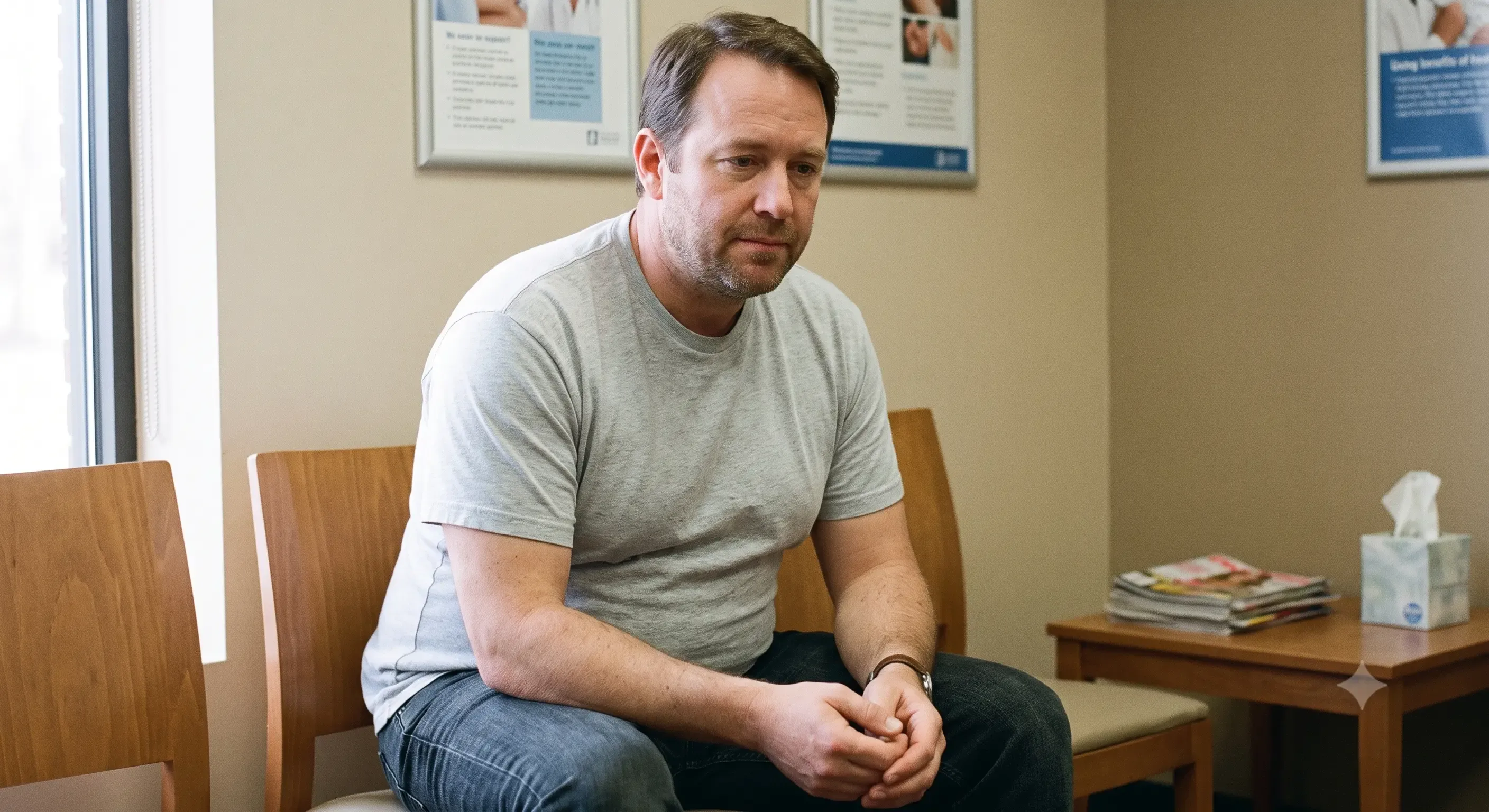
For most people, seeing celebrities on screen creates the impression that they have flawless bodies. But the reality is often very different. Actors, singers, athletes, and public figures deal with the same health and body concerns as everyone else. One condition that occasionally becomes the subject of public discussion is celebrities with gynecomastia.
Gynecomastia is far more common than many people realize. It can affect teenage boys, young adults, and older men alike. While tabloids may speculate about famous faces, the condition itself is a legitimate medical issue—not simply a cosmetic concern or a sign of being overweight.
If you've ever wondered why some well-known men appear to have enlarged chest tissue or whether surgery is the only solution, this guide explains the facts while separating medical reality from internet gossip.
What Is Gynecomastia?
Gynecomastia is the enlargement of glandular breast tissue in males. Unlike excess fat on the chest caused by weight gain, gynecomastia develops because of hormonal changes that increase breast gland tissue.
It may affect one side or both sides of the chest and can vary from mild swelling to more noticeable enlargement.
Common symptoms include:
- A fuller or rounded chest appearance
- Firm tissue beneath the nipple
- Tenderness or sensitivity
- Uneven chest size
- Difficulty achieving a masculine chest despite exercise
Many men spend years trying to fix the problem through workouts, only to discover that no amount of chest exercises can remove enlarged glandular tissue.
Why Do Men Develop Gynecomastia?
Several factors can contribute to the condition.
Hormonal Changes
The most common cause is an imbalance between estrogen and testosterone. Even healthy men naturally produce both hormones, but when estrogen becomes relatively more dominant, breast tissue can grow.
Puberty
Teenage gynecomastia is extremely common. In many cases, it resolves naturally within a couple of years without treatment.
Aging
As testosterone levels gradually decline with age, some men notice changes in their chest shape.
Certain Medications
Some medications used for blood pressure, ulcers, depression, prostate conditions, or hormone therapy may contribute to gynecomastia.
Medical Conditions
Liver disease, kidney disease, thyroid disorders, and certain tumors may also affect hormone levels.
Celebrities with Gynecomastia: Rumors vs. Reality
One thing is worth mentioning before discussing public figures.
Very few celebrities openly confirm they have gynecomastia. Much of what appears online is based on photographs, red-carpet appearances, or media speculation rather than verified medical information. Since diagnosing gynecomastia requires a proper medical examination, no one should assume someone has the condition based solely on appearance.
That said, several celebrities have been widely discussed over the years.
Simon Cowell
Television personality Simon Cowell has openly spoken about improving his health and body image over time. Older photographs led to speculation regarding chest enlargement, although he has not publicly confirmed a diagnosis of gynecomastia.
His changing physique reminds us that body changes can happen for many different reasons, including weight fluctuations and lifestyle.
Dwayne "The Rock" Johnson
Despite being one of Hollywood's most muscular actors, Dwayne Johnson has frequently been mentioned in discussions about celebrities with gynecomastia.
Johnson has publicly acknowledged undergoing surgery earlier in his career to remove excess chest tissue, reportedly after it became a source of embarrassment during his wrestling days.
His experience demonstrates an important point: even elite athletes with exceptionally low body fat can develop gynecomastia.
John Travolta
Over the years, media outlets have occasionally speculated about John Travolta's chest appearance in various photographs.
However, there has never been any public confirmation that he has gynecomastia, making these discussions purely speculative.
Jack Nicholson
Jack Nicholson has also appeared on many online lists discussing male celebrities believed to have gynecomastia.
Again, there is no verified medical confirmation, highlighting how easily internet discussions can blur the line between observation and fact.
Arnold Schwarzenegger
Even bodybuilding legends haven't escaped speculation.
Arnold Schwarzenegger has occasionally been included in conversations about chest enlargement. Some experts suggest that hormonal fluctuations associated with competitive bodybuilding may increase the likelihood of gynecomastia, particularly among athletes using anabolic steroids.
However, individual medical details remain private.
Why Celebrity Discussions Matter
Looking at celebrities with gynecomastia isn't about gossip.
It helps normalize a condition that affects millions of men worldwide.
Many patients hesitate to seek help because they believe they're alone. Realizing that successful athletes, actors, and public figures may experience similar concerns often reduces embarrassment and encourages people to seek professional advice.
Can Exercise Get Rid of Gynecomastia?
This is probably the biggest misconception surrounding male chest enlargement.
If enlarged breasts are caused by excess body fat (sometimes called pseudogynecomastia), losing weight and exercising may improve the appearance.
But true gynecomastia involves glandular tissue.
Unfortunately, gland tissue does not disappear with:
- Push-ups
- Bench presses
- Chest fly exercises
- Cardio alone
- Fat-burning supplements
Many men actually build larger chest muscles underneath the enlarged gland, making the chest appear even more prominent.
When Should You Consider Treatment?
You may benefit from an evaluation if:
- Your chest has remained enlarged for more than a year.
- Exercise has not improved the appearance.
- You experience discomfort or tenderness.
- The condition affects your confidence.
- You avoid swimming, fitted clothing, or social situations because of your chest.
A consultation helps determine whether the enlargement is caused by fat, gland tissue, hormonal imbalance, or another underlying medical condition.
What Happens During Gynecomastia Surgery?
When glandular tissue is responsible, surgery is often the most effective long-term treatment.
The procedure usually involves removing enlarged breast tissue while reshaping the chest to create a flatter, more masculine contour.
Depending on the individual case, the surgeon may perform:
- Liposuction to remove excess fat
- Excision to remove glandular tissue
- A combination of both techniques
The exact approach depends on factors such as skin quality, tissue volume, and chest anatomy.
Recovery After Surgery
Recovery is generally straightforward for most healthy patients.
Many people return to office-based work within several days, while more strenuous exercise is usually postponed for several weeks.
Patients are typically advised to:
- Wear a compression garment
- Avoid heavy lifting initially
- Attend follow-up appointments
- Follow all post-operative instructions carefully
As swelling settles over the following months, the chest gradually takes on its final shape.
Is Gynecomastia Surgery Permanent?
In most cases, yes.
Once the enlarged glandular tissue has been removed, it does not usually grow back.
However, maintaining a healthy lifestyle is important. Significant weight gain, certain medications, anabolic steroid use, or future hormonal imbalances may still affect the chest.
Choosing the Right Surgeon Matters
Every chest is different.
The amount of gland tissue, fat, loose skin, and nipple position varies considerably from one patient to another. A successful outcome depends not only on removing tissue but also on creating natural chest contours while minimizing visible scars.
This is why choosing an experienced plastic surgeon is one of the most important decisions you'll make.
For men considering Gynecomastia surgery in Riyadh, an individualized assessment ensures that treatment is tailored to their anatomy, expectations, and overall health rather than following a one-size-fits-all approach.
Why More Men Are Choosing Gynecomastia Surgery
Attitudes toward cosmetic surgery have changed significantly over the past decade.
More men now recognize that improving their appearance isn't about vanity. It's about confidence, comfort, and feeling at ease in everyday situations.
Whether it's wearing a fitted shirt, going to the beach, exercising at the gym, or simply looking in the mirror, a flatter chest can have a meaningful impact on self-esteem.
As awareness grows, Gynecomastia surgery in Riyadh continues to be an increasingly sought-after option for men looking for safe, effective, and lasting treatment under the care of qualified plastic surgeons.
Why Choose Dr. Hasan Ali?
When considering surgical treatment, experience and precision matter.
Dr. Hasan Ali is known for providing personalized treatment plans based on each patient's anatomy and goals. Every consultation begins with a detailed assessment to determine whether the chest enlargement is caused by glandular tissue, excess fat, or a combination of both.
Using modern surgical techniques, Dr. Hasan Ali focuses on achieving natural-looking chest contours while prioritizing patient safety, balanced proportions, and discreet scarring. Patients receive comprehensive guidance before and after surgery, ensuring they understand the procedure, recovery process, and expected results.
Final Thoughts
The conversation around celebrities with gynecomastia reminds us of something important: body concerns don't discriminate. Fame, fitness, or success doesn't make someone immune to hormonal changes or medical conditions.
Rather than comparing yourself to edited photos or internet speculation, focus on understanding what's causing your own concerns. If enlarged chest tissue has persisted despite diet and exercise, it's worth seeking professional advice.
For men exploring Gynecomastia surgery in Riyadh, consulting an experienced specialist like Dr. Hasan Ali can provide clarity, reassurance, and a treatment plan designed to restore both chest contours and confidence.