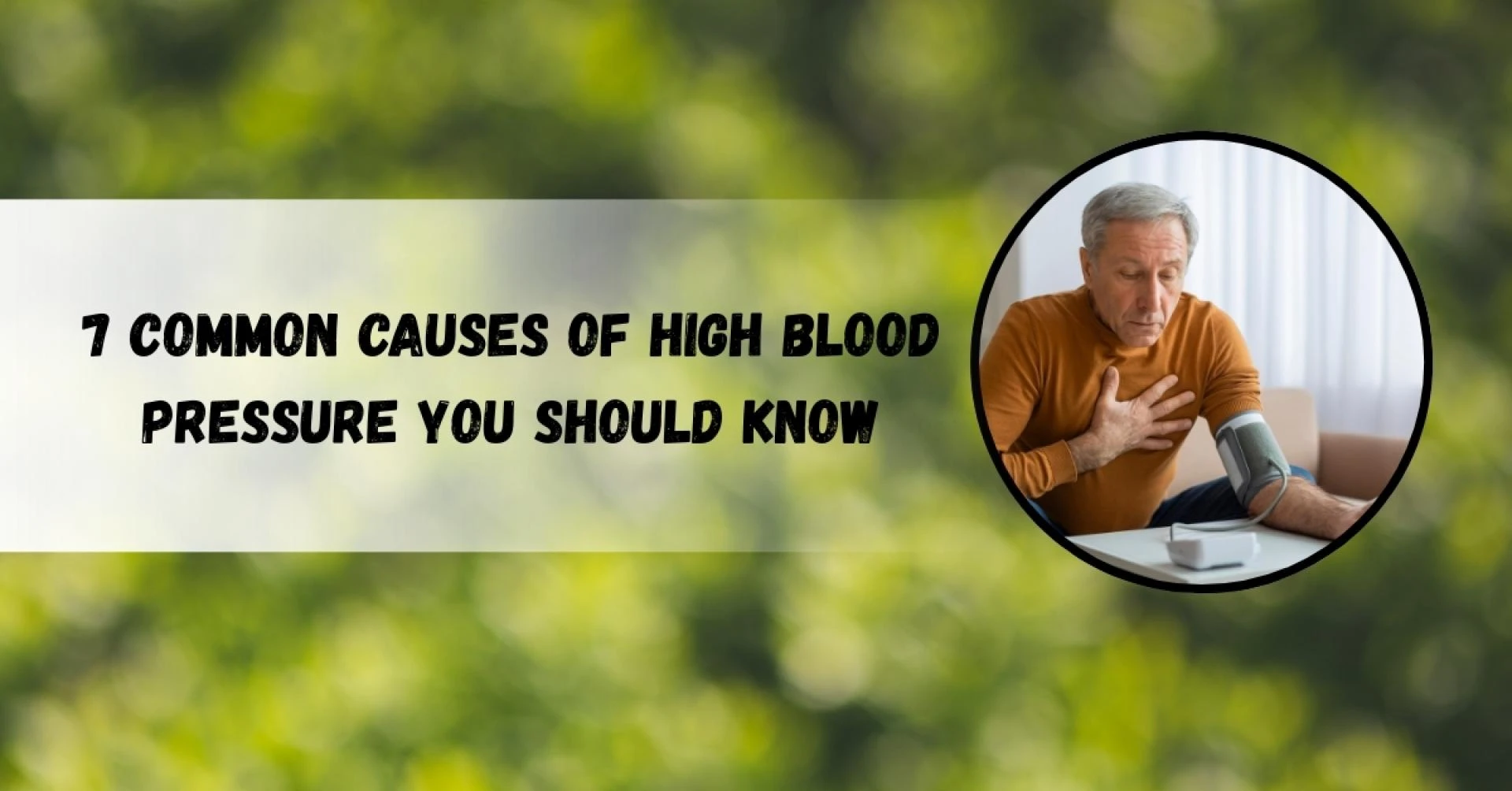
High blood pressure, also known as hypertension, is a condition that affects many people around the world. It means the force of blood pushing against the walls of your blood vessels is too high. Over time, this extra pressure can damage your heart and other organs if it isn’t controlled. Understanding the causes of high blood pressure can help you make better choices and protect your health. Here are seven common causes you should know about.
1. Eating Too Much Salt
One of the most well‑known causes of high blood pressure is eating too much salt in your diet. Salt contains sodium, and too much sodium makes your body hold onto water. This extra water increases the amount of blood flowing through your blood vessels, which pushes harder on the vessel walls and raises your blood pressure. Foods like chips, pickles, packaged snacks, and many fast foods have a lot of added salt. Reducing the amount of salt you eat can help lower your blood pressure over time.
Simple steps like cooking at home more often, reading labels for sodium content, and avoiding salty sauces can make a big difference.
2. Being Overweight
Carrying extra weight is another major cause of high blood pressure. When you have excess body fat, your heart has to work harder to pump blood around your body. This extra work puts more strain on your blood vessels and can push your blood pressure higher.
Even a small amount of weight loss can lower your blood pressure. Doctors often suggest combining a healthy diet with regular exercise to help reach and maintain a healthy weight.
3. Lack of Physical Activity
Not being active enough is closely linked to high blood pressure. When you don’t move your body often, your heart and blood vessels can become weaker over time. This makes it harder for your heart to pump blood efficiently, which can increase your blood pressure.
Regular physical activity helps your heart work better and keeps your blood vessels flexible. You don’t need to do intense workouts to see benefits - even walking, cycling, swimming, or dancing for 30 minutes most days can help lower your blood pressure.
4. Smoking and Tobacco Use
Smoking is a harmful habit that affects many parts of your body, including your blood pressure. Nicotine in tobacco products makes your heart beat faster and causes your blood vessels to tighten. This immediate effect raises your blood pressure right away. Over time, smoking also damages your blood vessel walls, making high blood pressure more likely.
Even secondhand smoke from other people’s cigarettes can raise your blood pressure. Quitting smoking helps your heart and blood vessels heal, and it lowers your risk of many serious diseases.
5. Too Much Alcohol
Drinking too much alcohol regularly is another well‑known cause of high blood pressure. Alcohol can interfere with the systems in your body that help control your blood pressure. People who drink a lot are more likely to have higher blood pressure than those who drink in moderation or not at all.
Doctor guidelines usually suggest limiting alcohol - for example, no more than one drink a day for women and no more than two drinks a day for men. Cutting back on alcohol if you drink a lot can help bring your blood pressure down.
6. Chronic Stress
Stress is a part of modern life, but chronic stress - stress that goes on for a long time - can be a hidden cause of high blood pressure. When you’re stressed, your body releases hormones that make your heart beat faster, and your blood vessels tighten. This causes your blood pressure to rise temporarily. If you stay stressed day after day, those temporary rises can add up.
Stress can also lead to habits that raise blood pressure, such as eating unhealthy foods, drinking alcohol, or smoking. Finding ways to relax, such as deep breathing, meditation, spending time in nature, or doing things you enjoy, can help reduce stress and benefit your blood pressure.
7. Family History and Age
Some people are more likely to develop high blood pressure because of their family history and age. Genetics plays a role in how your body regulates blood pressure, so if your parents or close relatives have high blood pressure, you may be more likely to develop it too.
Also, as you get older, your blood vessels become less flexible, which can raise your blood pressure. For many adults, blood pressure gradually increases with age. While you can’t change your genes or stop getting older, knowing your family history can help you watch your blood pressure more carefully and take action earlier.
Understanding Why It Matters
High blood pressure often does not cause symptoms. That’s why many people don’t know they have it until they have serious health problems like heart disease or stroke. In fact, high blood pressure is sometimes called a “silent killer” because it can quietly damage your body for years without obvious signs.
Knowing the causes of high blood pressure helps you make changes that can prevent it or keep it under control. Simple lifestyle changes like eating less salt, moving more, managing stress, and avoiding tobacco and too much alcohol can all make a big difference in your heart health.
Tips to Help Prevent High Blood Pressure
Here are a few everyday tips you can follow to help keep your blood pressure in a healthy range:
- Check your blood pressure regularly. Early detection helps you manage it before problems develop.
- Eat more fruits, vegetables, and whole foods. These foods are lower in salt and higher in nutrients that help your heart.
- Stay active. Aim for at least 30 minutes of movement most days.
- Keep a healthy weight. Excess weight puts extra strain on your heart.
- Avoid smoking and limit alcohol. These habits can raise your blood pressure and harm your heart.
- Find ways to relax. Reducing stress can help lower your blood pressure naturally.
Conclusion
High blood pressure affects many people, but it doesn’t have to control your life. By understanding the causes of high blood pressure and making simple changes to your daily habits, you can protect your heart and improve your health. Remember that small steps taken every day can lead to big improvements over time. Talk to a doctor if you have questions or need help creating a plan that works for you.
FAQs
1. What is high blood pressure?
High blood pressure, or hypertension, is when the force of blood against your blood vessel walls is too high, which can damage your heart over time.
2. Can high blood pressure show symptoms?
Often, high blood pressure has no obvious symptoms, which is why it’s called the “silent killer.” Regular checkups are important.
3. Can lifestyle changes lower blood pressure?
Yes! Eating less salt, staying active, maintaining a healthy weight, avoiding smoking, and limiting alcohol can all help lower blood pressure.
4. Is stress a cause of high blood pressure?
Yes, chronic stress can raise blood pressure temporarily and may contribute to long-term increases if not managed.
5. Are some people more at risk than others?
Yes. Older adults and people with a family history of high blood pressure are at higher risk, but healthy lifestyle habits can reduce the risk.