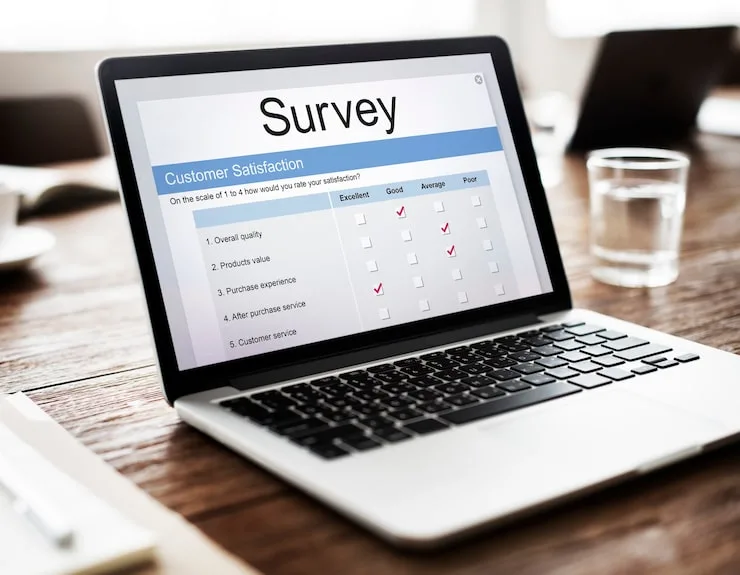
Telephone surveys still play an important role in market research. They help research teams reach people who may not respond to online forms, email links, or app-based surveys. But telephone-based surveys also come with challenges.
Respondents may be busy. Some may not answer unknown numbers. Some may lose interest midway. Others may give short answers if the call does not feel clear or relevant.
This is where a well-managed cati survey can make a difference. It brings trained interviewers, structured scripts, and real-time quality checks into the survey process.
What Is CATI Market Research?
CATI Market Research stands for computer-assisted telephone interviewing.
In this method, trained interviewers call respondents and record their answers using survey software. The system guides the interviewer through the questionnaire. It also manages skip logic, routing, validations, and quotas.
This makes the interview more structured than a normal phone call.
A good CATI setup helps reduce confusion, improve response quality, and keep the survey consistent across interviewers.
Challenge 1: Low Response Rates
One of the biggest challenges in telephone surveys is getting people to answer and stay on the call.
People are busy. Many avoid unknown numbers. Some agree to talk but drop off before the survey is complete.
A strong CATI process helps manage this through:
- Proper call scheduling.
- Callback planning.
- Clear opening scripts.
- Trained interviewers.
- Short and focused questionnaires.
- Respectful respondent handling.
Good CATI Services do not depend on random calling alone. They use planning, timing, and interviewer skill to improve response quality.
Challenge 2: Reaching The Right Respondents
A telephone survey is useful only when the right person answers.
In B2B, healthcare, finance, and policy studies, the target respondent may be very specific. The study may need a decision-maker, product user, caregiver, doctor, business owner, or department head.
A weak screening process can allow the wrong people into the study.
CATI Market Research Services help reduce this risk through:
- Role-based screening.
- Qualification questions.
- Industry and location checks.
- Decision-authority checks.
- Quota control.
- Supervisor review.
This helps ensure the final data reflects the intended audience.
Challenge 3: Respondent Confusion
Some survey questions are not easy to understand on the first attempt. This is common in studies that include technical topics, healthcare terms, financial products, or service feedback.
In online surveys, a confused respondent may guess or leave the question blank.
In a CATI survey, the interviewer can read the question clearly, repeat it if needed, and explain the response format without changing the meaning of the question.
This helps respondents answer with more confidence.
Challenge 4: Interviewer Bias
Telephone surveys involve human interaction, so interviewer bias must be controlled.
Bias can happen when an interviewer changes the tone, explains too much, skips a question, or leads the respondent toward an answer.
Professional CATI Services reduce this risk through:
- Interviewer training.
- Fixed scripts.
- Neutral probing rules.
- Call monitoring.
- Supervisor feedback.
- Quality audits.
The interviewer’s role is to support clarity, not influence the answer.
Challenge 5: Incomplete Or Poor-Quality Data
Poor data can enter the study in many ways.
A respondent may rush. They may give inconsistent answers. They may lose interest near the end. Some may agree to participate but provide very limited responses.
A professional market research company uses quality checks to catch these issues early.
Common checks include:
- Speeding review.
- Response consistency checks.
- Call recording review, where allowed.
- Open-end quality checks.
- Duplicate checks.
- Quota monitoring.
- Completion validation.
These checks help protect the final dataset before analysis begins.
Challenge 6: Managing Long Or Complex Surveys
Long telephone surveys can tire respondents. Complex surveys can also create confusion if the flow is not designed well.
A good CATI questionnaire should be simple, focused, and easy to follow.
This means:
- Questions should be short.
- Answer options should be clear.
- Repetitive items should be reduced.
- Sensitive questions should be placed carefully.
- The flow should feel natural.
- Survey length should match respondent attention.
CATI Market Research works best when the questionnaire is designed for a real conversation, not copied directly from an online form.
Challenge 7: Maintaining Data Security
Telephone surveys often collect sensitive information. This may include business data, healthcare feedback, customer experience details, or personal opinions.
Data security matters at every step.
A reliable market research company should have clear systems for:
- Secure data storage.
- Controlled access.
- Interviewer confidentiality.
- Consent handling.
- Respondent privacy.
- Safe reporting practices.
Trust is important in telephone surveys. Respondents are more likely to participate when the process feels professional and respectful.
Why CATI Still Matters?
Digital surveys are useful, but they are not always enough.
CATI helps when the study needs direct contact, better screening, or more respondent support. It also works well for audiences that are hard to reach through online methods.
CATI Market Research Services are especially useful for:
- B2B studies.
- Healthcare surveys.
- Customer satisfaction calls.
- Public opinion research.
- Service feedback.
- Follow-up interviews.
- Studies with complex screening needs.
The method is reliable because it combines structure with human clarity.
Final Words
Telephone-based surveys can face issues like low response rates, respondent confusion, incomplete answers, and poor screening. But these challenges can be managed with the right CATI process.
For organisations that need reliable telephone-based research, Insights Opinion supports CATI Market Research, CATI Services, and CATI Market Research Services with trained interviewers, structured scripts, strong quality checks, and secure data handling. As a market research company, the team helps turn telephone surveys into cleaner data and more useful business insight.
Contact Insights Opinion
Email: [email protected]
Phone: US (+1 646 475 7865) | UK (+44 20 3239 5786) | India (+91 120 359 4799)