Safety should always be a priority when heading out to sea. Whether you own a leisure boat, operate a yacht, manage a fishing vessel, or work in the marine industry, carrying suitable medical supplies is an important part of preparing for a journey.
An unexpected injury or illness can become more challenging to manage when professional medical assistance is not immediately available.
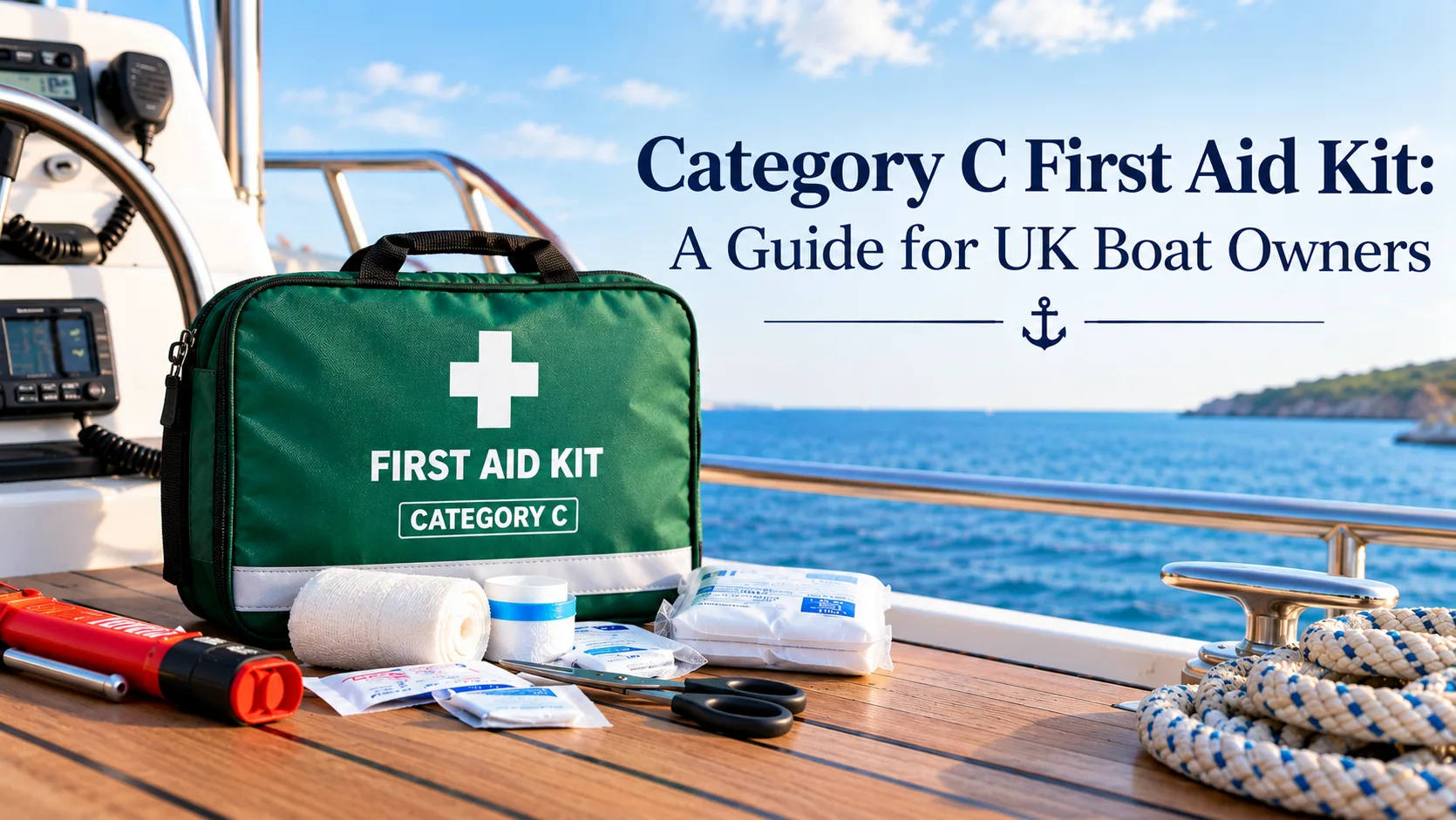
A Category C First Aid Kit can help boat owners and operators prepare for minor injuries and certain medical emergencies onboard.
However, choosing the right kit involves more than simply purchasing a box of supplies. You need to consider your vessel, intended activities, number of people onboard, and any applicable maritime requirements.
This guide explains what a Category C First Aid Kit is, what to consider when selecting one, and how to maintain your marine safety supplies in good condition.
What Is a Category C First Aid Kit?
A Category C First Aid Kit is a medical kit intended for use in certain maritime environments where a suitable selection of first aid supplies is needed onboard. It can help people respond to common injuries, including cuts, grazes, minor burns, and other situations requiring immediate attention.
The type of medical equipment required on a vessel depends on several factors. These can include the vessel's classification, operating area, purpose, and the regulations that apply to its operation. A small recreational boat may have different requirements from a commercial vessel operating further offshore.
It is therefore important not to assume that one first aid kit is suitable for every type of boat. Owners should check the relevant guidance and confirm whether their chosen kit meets the requirements applicable to their vessel.
The UK Maritime and Coastguard Agency provides guidance on ships' medical stores, including MSN 1905 and its amendments. Reviewing the appropriate maritime guidance can help operators understand their responsibilities before purchasing medical supplies.
Who Should Consider Carrying a Category C First Aid Kit?
Suitable medical supplies are useful across many areas of boating and maritime activity. However, the specific kit needed will depend on the vessel and its operating conditions.
Leisure boat and yacht owners should consider the type of journeys they undertake, the number of people onboard, and how quickly they could access medical assistance. Even a short trip can involve unexpected cuts, falls, or other injuries.
Commercial vessel operators need to assess the medical provisions appropriate for their vessels and operations. The nature of the work, crew size, and distance from shore can influence the level of preparation required.
Fishing vessel owners should pay particular attention to onboard medical readiness. Working with equipment, handling catches, moving around wet decks, and operating in changing weather conditions can create situations where first aid may be needed.
Charter operators and sailing organisations should also review their onboard safety arrangements. When carrying guests, customers, or groups of participants, it is important to ensure that suitable medical supplies are available and that crew members know where they are stored.
Not every vessel is automatically required to carry a Category C First Aid Kit. Before making a purchase, check the applicable maritime rules and any requirements associated with your vessel's use.
What Should You Check Inside a Category C First Aid Kit?
The contents of a marine first aid kit should be appropriate for its intended use and the relevant requirements. Depending on the kit specification, supplies may include dressings, bandages, wound-cleaning materials, disposable gloves, adhesive plasters, and other basic first aid items.
Before purchasing a kit, check its product description and contents list rather than relying on the category name alone. Two products marketed for marine use may differ in their contents, intended applications, and compliance suitability.
It is also worth considering the people who will use the equipment. Crew members should be able to identify the supplies quickly and understand their intended purpose. Clear labelling and organised storage can make a difference when an injury needs prompt attention.
A first aid kit should not be treated as a replacement for proper medical training or professional assistance. Its purpose is to support an appropriate initial response while further help is arranged when necessary.
For vessels operating under specific maritime rules, confirm that the selected kit meets the applicable requirements before placing it onboard.
Choosing the Right Marine Safety Supplies for Your Vessel
Selecting appropriate marine safety supplies requires consideration of more than price. The equipment should suit your vessel, remain accessible during an emergency, and be appropriate for the conditions in which it will be used.
Start by identifying your vessel's requirements. Check whether the boat is used for private recreation, commercial activity, fishing, charter trips, or another purpose. Then review the relevant guidance to establish which medical provisions and other safety equipment may be required.
Storage is another important consideration. Marine environments can expose equipment to moisture, salt, temperature changes, and physical movement.
Medical supplies should be stored in a suitable location that helps protect them from damage and contamination. The kit should also be easy for the crew to access without obstructing movement around the vessel.
When comparing products, review the supplied inventory, packaging, instructions, and suitability for your intended operation. If you are unsure whether a kit meets your needs, ask the supplier for clarification before purchasing.
Medical provisions should also form part of a wider marine safety equipment plan. Depending on the vessel and its activities, other equipment may include lifejackets, lifebuoys, liferafts, emergency beacons, fire safety equipment, and communications devices.
Each item serves a different purpose, so the overall arrangement should be reviewed as a complete safety system.
How to Maintain Your First Aid Kit Onboard
Purchasing a suitable Category C First Aid Kit is only the first step. Regular inspection helps ensure that the supplies remain in usable condition when needed.
Check the kit periodically, particularly before longer journeys or at the start of a new boating season. Look for damaged packaging, missing items, signs of moisture, and products that have passed their expiry dates. Replace used or damaged supplies promptly rather than waiting until the next scheduled inspection.
Storage conditions deserve equal attention. Keep the kit in a dry, accessible place and follow the manufacturer's storage instructions. Avoid leaving medical supplies exposed to unnecessary heat, water, or direct sunlight if these conditions could affect their condition.
It is also helpful to make sure that everyone responsible for the vessel knows where the kit is kept. A well-maintained kit offers limited practical value if crew members cannot locate it quickly.
For commercial vessels or operations subject to specific inspection and record-keeping requirements, follow the applicable procedures.
Keeping a simple record of checks and replacements can help demonstrate that onboard medical supplies are being managed consistently.
Common Mistakes to Avoid When Managing Marine Safety Equipment
One common mistake is assuming that a general-purpose first aid kit will meet every maritime requirement. A kit suitable for occasional use on a small recreational boat may not be appropriate for a vessel operating under different rules. Always check the intended use and relevant requirements before purchasing.
Another issue is overlooking expiry dates. Medical products can become unsuitable for use over time, particularly when stored in challenging conditions. Regular checks help identify items that need replacing.
Poor storage can also affect the usefulness of onboard supplies. A kit that becomes wet, damaged, or difficult to reach may not be ready when an incident occurs. Choose an appropriate storage location and return the kit to that location after use.
Finally, avoid treating first aid equipment as the only part of an emergency plan. Crew members should know how to raise the alarm, communicate with relevant emergency services, and follow appropriate procedures for the vessel and situation. Medical supplies work best as part of a broader approach to onboard safety.
Finding Marine Safety Equipment with ADEC Marine
Finding suitable equipment from a specialist supplier can make it easier to prepare your vessel for routine journeys and unexpected incidents. ADEC Marine supplies a range of marine safety products, including medical stores intended for maritime use.
Boat owners and operators looking for a Category C First Aid Kit can review the available product information here: Category C First Aid Kit from ADEC Marine.
Before ordering, review the product specification and confirm that the kit is suitable for your vessel and intended operation. If your vessel is subject to particular maritime requirements, verify that the selected equipment meets those requirements rather than relying on a general product description.
It is also worth reviewing your wider marine safety equipment regularly to identify missing, damaged, or outdated items. Keeping medical supplies and other essential equipment in suitable condition helps support a more organised approach to vessel safety.
Final Thoughts
A properly selected and maintained Category C First Aid Kit can be an important part of onboard medical preparation. For UK boat owners, the key is to understand the vessel's needs, check the relevant maritime guidance, and choose supplies that are suitable for the intended use.
Regular inspections, appropriate storage, and clear onboard procedures can help ensure that medical equipment remains accessible and ready for use. These steps should be supported by a wider review of marine safety equipment, including any additional provisions required for the vessel.
By taking a practical approach to first aid preparation and purchasing suitable marine safety supplies, boat owners and operators can improve their readiness to respond to unexpected situations while out on the water.