
A Brighter View Begins with Healthy Eyes
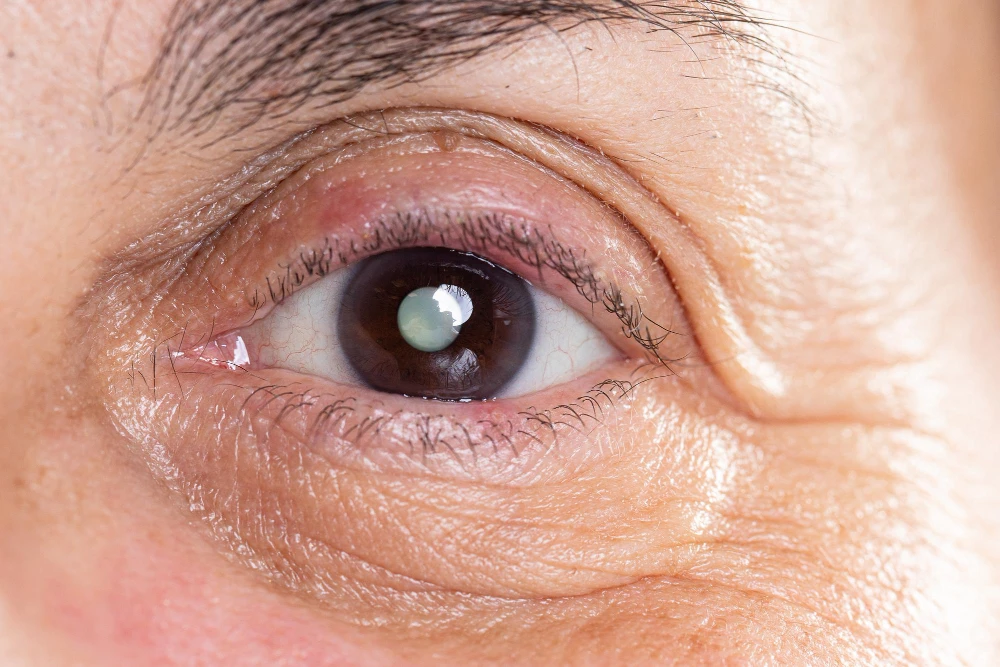
Your eyesight shapes how you experience the world, from reading fine print to recognizing familiar faces. When vision starts to look dull, cloudy, or less vibrant, it may indicate the development of cataracts. This condition occurs when the clear lens inside the eye gradually becomes opaque, preventing light from focusing properly on the retina. As the clouding increases, everyday tasks can become more challenging and frustrating.
How the Lens Becomes Clouded
Cataracts most commonly develop due to natural aging. Over time, the proteins within the lens begin to change, leading to reduced transparency. While age is the leading cause, other risk factors can accelerate the process. These include diabetes, long term exposure to ultraviolet light, smoking, eye injuries, and extended use of certain medications such as corticosteroids. In some cases, cataracts may also appear in younger individuals due to inherited or medical conditions.
Changes in Vision You Should Notice
One of the reasons cataracts often go undetected in the early stages is their slow progression. Vision may initially seem slightly blurred or hazy. As the condition advances, you might experience difficulty seeing clearly at night, increased sensitivity to bright lights, or halos around headlights. Colors can appear faded, and you may need frequent updates to your eyeglass prescription. Paying attention to these subtle changes is important for timely care.
Professional Eye Evaluation
Diagnosing cataracts requires a comprehensive eye examination. During the visit, the eye specialist assesses your visual sharpness and carefully examines the lens and other structures of the eye. These evaluations help determine the severity of the cataract and whether it is significantly affecting your daily life. Routine eye checkups are especially important for adults over forty and individuals with existing health conditions.
Advanced Treatment and Recovery
In the early stages, simple adjustments such as improved lighting or new glasses may temporarily improve vision. However, when cataracts begin to interfere with daily activities, surgical treatment is recommended. Cataract surgery involves removing the cloudy lens and replacing it with a clear artificial intraocular lens. The procedure is generally safe, quick, and performed on an outpatient basis. Most patients notice a considerable improvement in vision after recovery.
Taking proactive steps toward eye care can protect your independence and quality of life. If you are experiencing persistent vision changes, seeking expert consultation is essential. Comprehensive cataract diagnosis and treatment options are available at Nur Eye Research and Surgery Institute (NERSI), where dedicated care focuses on restoring clarity and supporting long term visual health.