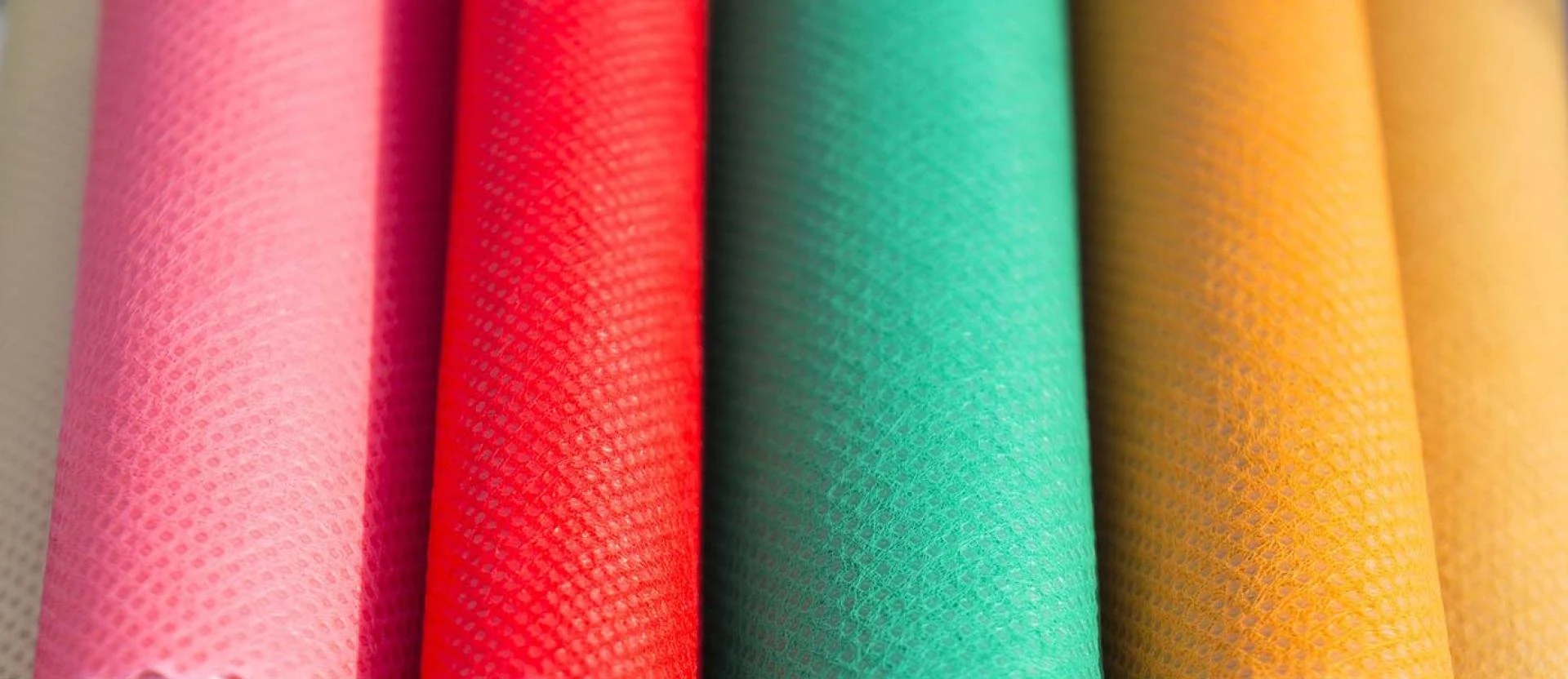
In today’s rapidly evolving industries, the demand for high-performance, cost-effective, and environmentally responsible nonwoven fabrics is greater than ever. Two of the most essential technologies in the world of nonwovens are Carded Chem-Bond and Thermal Bond. These processes are widely used in applications ranging from medical textiles and hygiene products to automotive components and consumer goods. At Sommers Inc., a leader in textile innovation, both bonding methods are engineered with precision to deliver consistent, durable, and customizable nonwoven solutions.
This blog explores the science, benefits, and applications of Carded Chem-Bond and Thermal Bond nonwoven fabrics — and how Sommers Inc. can help meet your exact material specifications.
What Is Carded Chem-Bond?
Carded Chem-Bond (chemical bonding) is a nonwoven manufacturing method that involves carding a web of fibers and then bonding them using chemical binders. The fibers — often synthetic like polyester or polypropylene — are aligned and formed into a web using carding machines. A chemical binder is then applied, typically in liquid form, to hold the fibers together. After application, the web is dried and cured, resulting in a flexible, durable fabric.
Key Benefits of Carded Chem-Bond:
- Excellent Strength and Uniformity: The chemical binders enhance fabric strength and ensure consistency throughout the web.
- Customizable Properties: The choice of binder (acrylic, latex, etc.) allows for tailored softness, rigidity, absorbency, or repellency.
- Enhanced Printability and Coating: Chem-Bond fabrics accept coatings and prints well, making them ideal for branding and decorative uses.
- Cost-Effective Production: Ideal for high-volume manufacturing with cost-efficiency in mind.
- Versatile Applications: Used in wipes, interlinings, filtration, insulation, and healthcare disposables.
What Is Thermal Bond?
Thermal Bonding involves bonding fibers together using heat instead of chemicals. Typically, a blend of thermoplastic fibers is used — some of which melt or soften at lower temperatures. When heat and pressure are applied, the low-melt fibers fuse at contact points, bonding the web into a stable, cohesive fabric.
Key Benefits of Thermal Bond:
- No Chemical Additives: Offers a clean and environmentally friendly process with reduced VOC emissions.
- Soft and Lightweight: Thermal Bonded fabrics are often softer and more breathable, ideal for skin-contact applications.
- High Production Speeds: Allows for rapid processing in high-volume environments.
- Durability and Flexibility: Maintains strength while remaining flexible and lightweight.
- Environmentally Conscious: Eliminates the need for solvents or chemical binders.
Applications Across Industries
Both Carded Chem-Bond and Thermal Bond nonwovens play vital roles across various markets. Sommers Inc. supplies these fabrics to clients in industries such as:
1. Medical & Hygiene
- Surgical gowns, face masks, wound dressings, and adult incontinence products.
- Soft, breathable, and hypoallergenic properties make Thermal Bond ideal for skin contact.
- Chem-Bond offers liquid repellency and added structural strength.
2. Automotive
- Headliners, insulation pads, trunk liners, and cabin filters.
- The strength and formability of Chem-Bond help maintain performance in challenging conditions.
- Thermal Bond’s noise reduction and light weight contribute to fuel efficiency and comfort.
3. Consumer Goods
- Cleaning wipes, cosmetic pads, and mattress pads.
- Chem-Bond enhances absorbency and reusability.
- Thermal Bond fabrics are perfect for disposable or single-use applications.
4. Construction & Insulation
- Roofing underlayment, soundproofing, and insulation wraps.
- Nonwovens from both processes offer excellent tensile strength and barrier protection.
5. Apparel & Interlining
- Used in linings, padding, and reinforcement.
- Chem-Bonded interlinings provide body and form to garments, while Thermal Bonded options ensure softness and comfort.
Why Choose Sommers Inc.?
Sommers Inc. is more than just a nonwoven supplier — we are your innovation partner. With over 70 years of expertise in textiles and nonwovens, we combine advanced technology, in-house R&D, and a commitment to quality to deliver materials that meet stringent performance and regulatory standards.
What Sets Us Apart?
- Custom Manufacturing: Whether you need Chem-Bond or Thermal Bond nonwovens, we tailor properties such as thickness, stiffness, porosity, and absorbency to your needs.
- Small & Large Runs: Flexible production capabilities mean we accommodate prototyping, testing, and full-scale manufacturing.
- Eco-Conscious Options: We offer sustainable, recyclable, and biodegradable fiber blends.
- State-of-the-Art Equipment: Our facilities use the latest in bonding, carding, and finishing technologies.
- Reliable Supply Chain: Consistent delivery timelines and quality assurance make Sommers a trusted long-term partner.
The Future of Nonwovens Is Here
As industries continue to seek lightweight, durable, and sustainable material options, Carded Chem-Bond and Thermal Bond nonwovens remain at the forefront of innovation. Whether you’re developing new consumer products, upgrading medical supplies, or seeking sustainable solutions for automotive or construction, Sommers Inc. offers the expertise, technology, and flexibility to support your goals.
Let’s Build Something Great — Together
Ready to transform your product with high-performance nonwoven fabrics? Partner with Sommers Inc. for custom solutions in Carded Chem-Bond and Thermal Bond technology. Our team is here to guide you from concept to production with precision and care.
👉 Contact Sommers Inc. today to request samples, discuss custom specifications, or explore how our nonwoven solutions can elevate your business.
Visit www.sommers.com or call us at 305 774 9442 to get started.