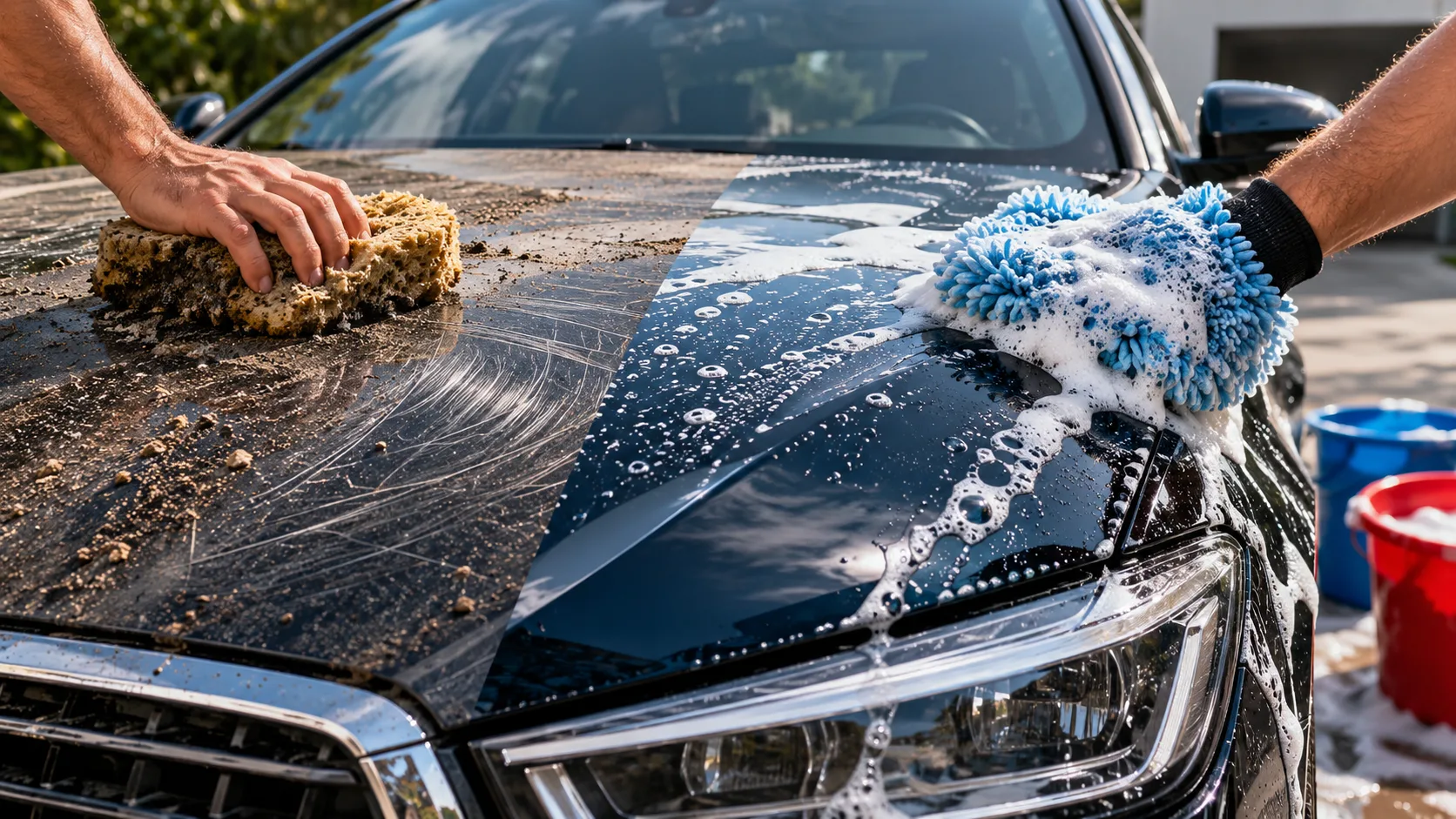
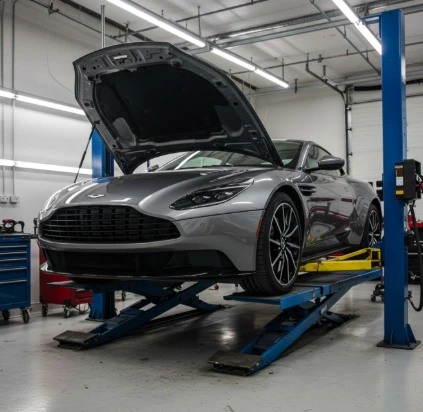
Owning a vehicle comes with responsibility, and understanding the basics of maintenance can save you time, money, and unnecessary stress. Whether you drive a compact car or a luxury vehicle requiring audi repair fort lauderdale, knowing how your car functions and how to care for it is essential for long-term performance and safety. This beginner-friendly guide walks you through the fundamentals of car repair and maintenance, helping you build confidence behind the wheel and under the hood.
Understanding the Importance of Regular Maintenance
Routine maintenance is the backbone of a reliable vehicle. Ignoring small issues often leads to bigger, more expensive problems over time. Regular inspections and timely servicing not only extend your car’s lifespan but also ensure your safety on the road.
Basic maintenance includes oil changes, brake inspections, tire rotations, and fluid checks. These tasks may seem minor, but they collectively play a crucial role in preventing breakdowns and costly repairs. Staying consistent with your car’s maintenance schedule is one of the smartest habits you can develop as a vehicle owner.
Getting Familiar with Your Vehicle
Before diving into repairs, take time to understand your car’s basic components. Familiarizing yourself with the engine, battery, brakes, and fluids will make it easier to identify issues early.
Your owner’s manual is a valuable resource. It provides detailed information about maintenance schedules, recommended fluids, and warning indicators. Learning how to read dashboard warning lights is equally important, as they often signal potential problems that require immediate attention.
Essential Car Maintenance Tasks for Beginners
1. Checking and Changing Engine Oil
Engine oil lubricates the moving parts of your engine, reducing friction and preventing overheating. Over time, oil becomes dirty and less effective.
- Check oil levels monthly
- Change oil every 5,000 to 7,500 kilometers (or as recommended)
- Use the correct oil type for your vehicle
Neglecting oil changes can lead to engine damage, which is one of the most expensive repairs you can face.
2. Monitoring Tire Health
Tires are your vehicle’s only contact with the road, making their condition critical for safety.
- Check tire pressure regularly
- Inspect for uneven wear or damage
- Rotate tires every 8,000 to 10,000 kilometers
Proper tire maintenance improves fuel efficiency and ensures better handling, especially during sudden stops or turns.
3. Inspecting Brake System
Brakes are essential for your safety. Any unusual noise, vibration, or delay in stopping should not be ignored.
- Listen for squeaking or grinding sounds
- Check brake fluid levels
- Replace brake pads when worn
Early detection of brake issues can prevent accidents and costly repairs.
4. Keeping Fluids in Check
Your car relies on several fluids to function properly, including coolant, transmission fluid, brake fluid, and power steering fluid.
- Check fluid levels regularly
- Top up or replace fluids as needed
- Look for leaks under your vehicle
Maintaining proper fluid levels ensures smooth operation and prevents overheating or mechanical failure.
Common Car Problems and How to Handle Them
Dead Battery
A dead battery is one of the most common issues drivers face. Signs include dim headlights and difficulty starting the engine.
Solution:
Jump-start the vehicle using jumper cables or replace the battery if it’s old or damaged.
Engine Overheating
Overheating can occur due to low coolant levels, a faulty thermostat, or radiator issues.
Solution:
Turn off the engine immediately and allow it to cool. Check coolant levels and refill if necessary. If the problem persists, seek professional help.
Check Engine Light
The check engine light can indicate a wide range of issues, from minor sensor problems to serious engine faults.
Solution:
Use an OBD-II scanner to identify the issue or visit a mechanic for a diagnostic check.
Unusual Noises
Strange sounds like knocking, rattling, or squealing often signal underlying problems.
Solution:
Identify when the noise occurs (starting, braking, accelerating) and have it inspected promptly to prevent further damage.
Basic Tools Every Car Owner Should Have
Even if you’re not a professional mechanic, having a few essential tools can help you handle minor issues.
- Socket set
- Screwdrivers
- Tire pressure gauge
- Jack and lug wrench
- Jumper cables
These tools can assist with simple tasks like changing a tire or tightening loose components.
When to Seek Professional Help
While many maintenance tasks can be done at home, some repairs require professional expertise. Complex issues involving the engine, transmission, or electrical systems should always be handled by trained technicians.
Delaying professional repairs can worsen the problem and increase costs. If you’re unsure about a repair, it’s always better to consult an expert rather than risk damaging your vehicle.
Tips for Extending Your Vehicle’s Lifespan
Maintaining your car doesn’t have to be complicated. A few smart habits can make a significant difference:
- Follow the recommended service schedule
- Drive smoothly and avoid aggressive acceleration
- Keep your car clean, both inside and out
- Address minor issues before they escalate
- Use quality parts and fluids
Consistency is key. Small efforts over time lead to better performance and fewer breakdowns.
Building Confidence as a Beginner
Starting with basic car maintenance may feel overwhelming, but it becomes easier with practice. Begin with simple tasks like checking oil or tire pressure, then gradually learn more advanced skills.
Watching tutorials, reading guides, and asking experienced drivers for advice can help you gain confidence. The more you understand your vehicle, the more control you’ll have over its maintenance and repair.
Final Thoughts
Learning the basics of car repair empowers you to take better care of your vehicle and avoid unnecessary expenses. From routine maintenance to identifying early warning signs, every step you take contributes to a safer and smoother driving experience.
Whether you’re handling small fixes yourself or relying on experts for complex issues, staying proactive is what matters most. A well-maintained car not only performs better but also gives you peace of mind every time you hit the road. For those seeking reliable assistance and expert service, choosing the right professionals for car repair fort lauderdale fl ensures your vehicle remains in top condition for years to come.