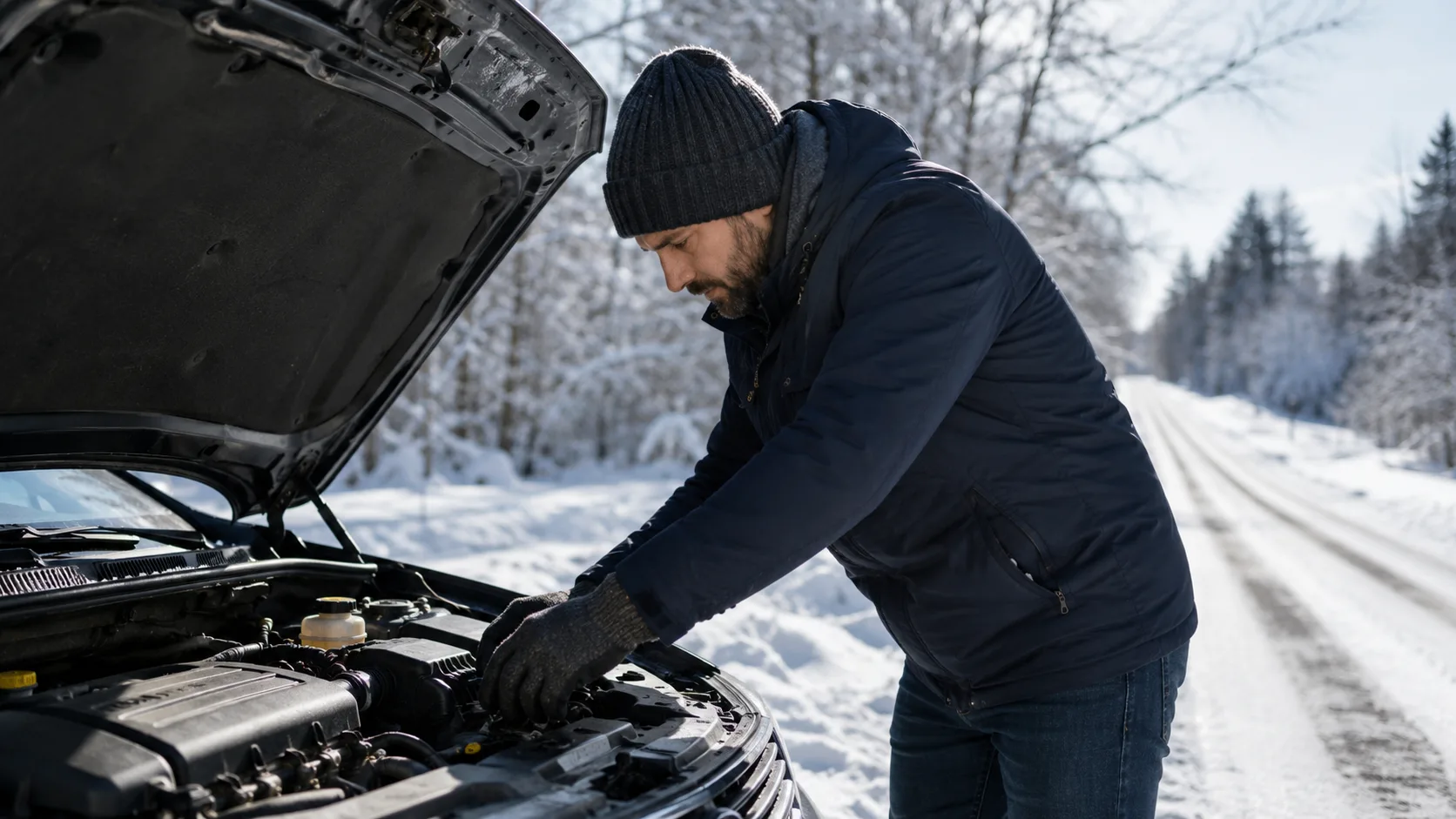
Winter can be rough on a car. Cold starts, foggy windshields, low tire pressure, and weak batteries all show up when temperatures drop. A vehicle that feels perfectly fine in mild weather can suddenly struggle on a cold morning.
Most winter car problems are preventable. A little preparation before the season fully sets in can save you from expensive repairs, roadside breakdowns, and unsafe driving conditions. Whether you drive daily through city traffic or take long highway trips, winter maintenance matters more than most people realize.
Here are the most important car maintenance tips for winter that actually make a difference.
Check Your Car Battery Before It Fails
Cold weather puts extra stress on your battery. Chemical reactions inside the battery slow down in low temperatures, which means less power is available to start the engine.
That is why weak batteries often fail during winter.
If your battery is more than three years old, get it tested before peak winter arrives. Slow engine cranking, dim headlights, or electrical issues can all point toward a weak battery.
Look at the battery terminals too. Corrosion buildup affects electrical flow and can create starting problems. Cleaning the terminals and tightening loose connections can improve performance immediately.
If you rarely drive your car for long distances, consider using a battery maintainer during colder months.
Inspect Tire Pressure and Tread Depth
Tires lose pressure when temperatures fall. Even a small drop in temperature can reduce air pressure enough to affect grip, handling, and fuel efficiency.
Driving with underinflated tires during winter is risky because traction becomes less predictable on wet or slippery roads.
Check tire pressure regularly instead of waiting for the warning light to appear. Use the pressure levels recommended in your owner’s manual or on the driver-side door sticker.
Tread depth matters just as much. Worn-out tires struggle to grip cold roads, especially during rain, fog, or icy conditions. If the tread looks shallow, replace the tires before winter gets worse.
Drivers in extremely cold regions should also consider winter tires for better traction and braking stability.
Replace Worn Wiper Blades
Visibility becomes a bigger challenge during winter. Fog, rain, dust, and condensation quickly reduce your view of the road.
Old wiper blades leave streaks and make driving frustrating during bad weather. If the blades skip, squeak, or fail to clear water properly, replace them immediately.
Winter-specific wiper blades are designed to resist ice buildup and perform better in freezing conditions.
At the same time, top up your windshield washer fluid with a winter-grade formula. Standard washer fluids may freeze in low temperatures, which defeats the entire purpose when visibility suddenly drops.
Check Coolant and Antifreeze Levels
Your engine needs proper coolant protection during winter. Antifreeze prevents the coolant from freezing inside the engine and radiator.
Low coolant levels or the wrong mixture can lead to overheating, frozen components, or serious engine damage.
A 50/50 mixture of antifreeze and water works well for most winter conditions. If you are unsure about the current condition of the coolant, have it checked during routine servicing.
Ignoring coolant issues can turn a simple maintenance task into a very expensive repair.
Use the Right Engine Oil
Cold weather thickens engine oil. Thick oil moves more slowly through the engine during startup, increasing wear and reducing efficiency.
Using the correct winter-grade oil helps the engine circulate lubrication faster during cold starts.
Many modern vehicles already use multi-grade synthetic oils that perform well in winter, but always follow the specifications mentioned in your owner’s manual.
If your next oil change is close, do not delay it until after winter.
Keep Your Fuel Tank at Least Half Full
This is one of the simplest winter driving habits, but many people ignore it.
Keeping the fuel tank at least half full helps reduce moisture buildup inside the tank. Excess condensation can create problems in extremely cold weather and may affect fuel lines.
A fuller tank also becomes useful during unexpected delays, traffic jams, or emergencies when you may need to keep the heater running for longer periods.
Test the Heater and Defroster
A working heater is not just about comfort. It directly affects visibility and safety.
Your defroster clears condensation and fog from the windshield, helping you maintain a clear view of the road. If the heater takes too long to warm up or airflow feels weak, get the system inspected before winter peaks.
Many drivers only discover heating problems during early morning commutes when visibility becomes dangerously poor.
Cabin air filters should also be checked because clogged filters reduce airflow and make defogging less effective.
Protect Your Car’s Exterior
Winter moisture, mud, road salt, and grime can damage paint over time. Even in places without snowfall, damp conditions still affect the bodywork and undercarriage.
Wash your car regularly during winter, especially around the wheel arches and underside.
Applying wax or ceramic coating before winter adds a protective layer against dirt and moisture. It also makes cleaning easier throughout the season.
Rust prevention becomes even more important for older vehicles.
Warm Up the Car Properly
Many people still believe a car should idle for a long time before driving in winter. Modern engines do not need excessive idling.
Instead of letting the car sit for 10 to 15 minutes, start the engine, wait briefly, and drive gently for the first few minutes.
Driving slowly helps the engine, transmission, and other components warm up more efficiently than prolonged idling.
Aggressive acceleration immediately after startup is what should actually be avoided.
Carry a Winter Emergency Kit
Even well-maintained cars can face unexpected trouble during winter.
Keeping a basic emergency kit inside the car is a smart precaution, especially for long-distance travel. Your kit should include:
- Jumper cables
- Flashlight
- Phone charger or power bank
- Blanket or warm clothing
- First aid kit
- Tire inflator
- Ice scraper
- Drinking water
These items become extremely useful during roadside delays or breakdowns.
Pay Attention to Brakes
Cold and wet roads increase stopping distances. If your brakes already feel weak, winter conditions will make the problem worse.
Listen for unusual sounds, vibrations, or reduced braking response. Brake fluid should also be checked during servicing.
Good tires help with traction, but strong brakes are equally important for winter safety.
Do Not Ignore Small Problems
Winter exposes existing weaknesses in a car very quickly.
A small coolant leak, weak battery, worn belt, or low tire pressure may seem manageable during normal weather. Once temperatures drop, those same issues can leave you stranded.
Fixing minor problems early is always cheaper than dealing with major repairs later.
That applies to every season. Even people searching for advice on car maintenance in summer often overlook how seasonal weather changes affect different vehicle systems throughout the year.
Final Thoughts
Winter driving becomes far less stressful when your car is properly prepared. Most cold-weather breakdowns happen because small maintenance tasks were ignored until it was too late.
A healthy battery, properly inflated tires, fresh fluids, and clear visibility make a major difference once temperatures fall.
You do not need complicated upgrades or expensive modifications to keep your vehicle winter-ready. Consistent maintenance, smart driving habits, and a few preventive checks are usually enough to avoid the most common seasonal problems.
Take care of the basics before winter becomes severe, and your car will reward you with safer, smoother, and more reliable driving throughout the season.
For more such informative blogs, visit AutoVoB.