Car Cybersecurity 2026 Is the Vehicle Threat Most Bay Area Drivers Are Not Taking Seriously
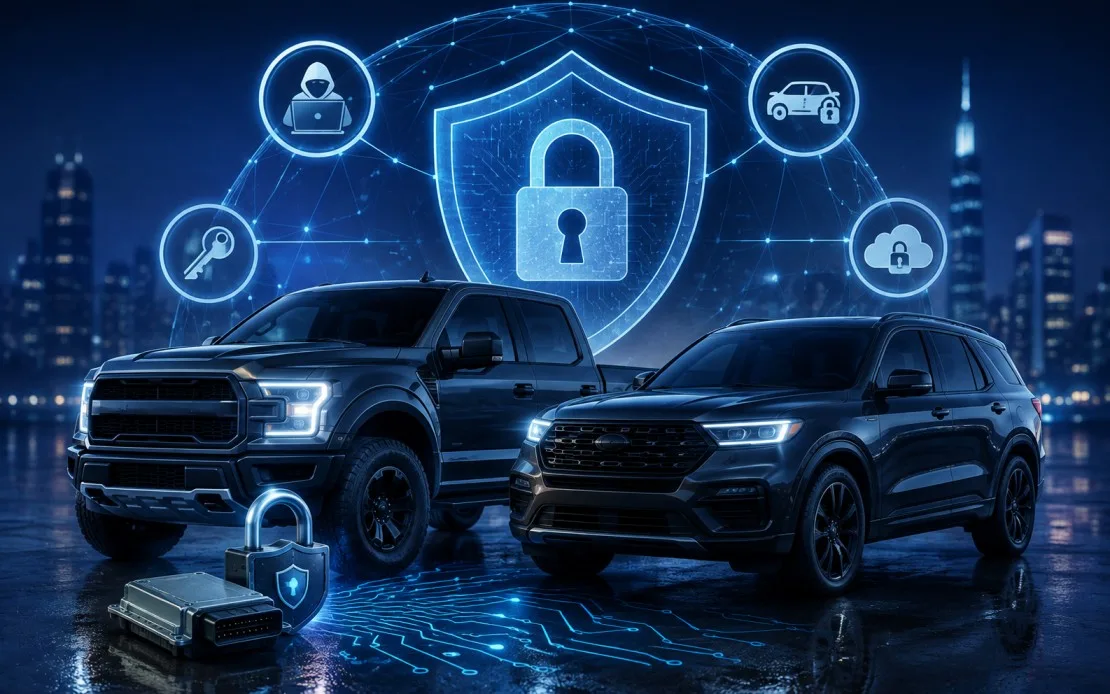
You lock your truck, set your alarm, and walk away feeling confident your vehicle is protected. But in 2026, physical locks and traditional alarms are only half the equation. Car cybersecurity 2026 has become one of the most urgent topics in the automotive world, and drivers in Hayward, CA are just as exposed as anyone else. Modern trucks, SUVs, and electric vehicles are essentially computers on wheels. They connect to smartphones, Wi-Fi networks, dealer diagnostic tools, and cloud-based systems constantly. Every one of those connection points is a potential entry for someone with the right tools and the wrong intentions. Keyless entry relay attacks, OBD port exploits, and remote access vulnerabilities have all moved from theoretical concerns to documented real-world incidents. For overlanders and off-road enthusiasts who depend on their vehicles in remote environments, a digitally compromised rig is not just an inconvenience. It is a genuine safety risk that deserves the same attention as any physical security upgrade.
Why Car Cybersecurity 2026 Is a Bigger Problem Than Most Drivers Realize
The automotive industry has spent decades perfecting physical security. Deadbolts, alarm systems, immobilizers, and steering wheel locks all address threats that require a thief to be physically present at your vehicle. Car cybersecurity 2026 introduces a completely different category of threat, one where the attacker never needs to touch your vehicle at all. Understanding the scale of this problem is the first step toward protecting yourself and your investment.
How Connected Vehicles Create New Vulnerabilities
Every feature that makes a modern vehicle more convenient also creates a new potential attack surface. Keyless entry systems that communicate via radio frequency can be intercepted using relay devices that amplify your key fob signal and trick your vehicle into unlocking and starting. Bluetooth and Wi-Fi connectivity that enables hands-free calling and over-the-air software updates can be exploited if not properly secured. Telematics systems that report vehicle data to manufacturers and insurers transmit information over cellular networks that are not immune to interception. In 2026, a truck or SUV sitting in a Hayward parking lot is broadcasting more data than most owners realize.
The OBD Port: The Most Overlooked Entry Point
The OBD-II diagnostic port located under the dashboard of virtually every vehicle built after 1996 was designed to give mechanics access to vehicle systems for diagnostics and programming. In 2026, that same port is one of the most commonly exploited entry points in vehicle cybersecurity incidents. Plug-in devices that use the OBD port for insurance tracking or fleet management create a persistent wireless connection that can be accessed remotely if the device is not properly secured. Thieves have used OBD exploits to clone key fobs, disable immobilizers, and take full control of vehicle systems in documented cases across the United States.
The Most Common Car Cybersecurity 2026 Threats Targeting Truck and SUV Owners
Not all cyber threats target vehicles equally. Trucks and SUVs, particularly those with expensive aftermarket builds, represent higher-value targets that attract more sophisticated theft attempts. Knowing which threats are most active in 2026 helps you prioritize your defenses effectively.
Relay Key Fob Attacks
Relay attacks remain one of the most prevalent car cybersecurity threats in 2026. Two thieves working together use relay devices to extend the range of your key fob signal, sometimes from inside your home, to trick your vehicle into thinking the key is nearby. The vehicle unlocks and starts without any physical key present. Trucks parked in driveways with keys stored near front doors or windows are particularly vulnerable. Simple countermeasures include storing key fobs in signal-blocking pouches, also called Faraday bags, and keeping keys away from exterior walls and windows when at home.
GPS Spoofing and Tracking Device Tampering
For overlanders who rely on GPS navigation and tracking systems on remote trails, GPS spoofing is an emerging car cybersecurity 2026 concern that is gaining traction. Spoofing involves broadcasting fake GPS signals that override legitimate ones, causing navigation systems to display incorrect location data. More immediately relevant for most drivers is the risk of someone physically locating and disabling a GPS tracking device that has been improperly installed in an obvious location. Professional installation that conceals tracking hardware in non-obvious locations is a key defense against this type of interference.
CAN Bus Injection Attacks
Controller Area Network bus injection attacks represent one of the more technically sophisticated car cybersecurity 2026 threats, but they are increasingly accessible to criminals with basic technical knowledge. The CAN bus is the internal communication network that connects every electronic system in your vehicle, from the engine control unit to the door locks and windows. By injecting fraudulent signals into this network through the OBD port or other access points, attackers can unlock doors, disable alarms, or even control vehicle movement in some configurations. Awareness of this threat is the first step, and avoiding unverified plug-in OBD devices is one of the most effective preventive measures available.
How audiomobilehayward Approaches Vehicle Security in the Age of Car Cybersecurity 2026
Physical security and digital security are no longer separate conversations for vehicle owners who are serious about protecting their builds. The team at audiomobilehayward works with truck and SUV owners across the Bay Area to build security systems that address both dimensions simultaneously. In 2026, a security installation that only covers alarms and immobilizers without considering the digital attack surface is an incomplete solution.
Layered Security Installations That Address Physical and Digital Threats
A well-designed security setup for a modern truck or SUV starts with professional-grade alarm systems and immobilizers, then layers in GPS tracking with concealed hardware placement, OBD port protection, and where applicable, signal-blocking solutions for keyless entry systems. The goal is to make your vehicle a harder target at every level. For overlanders who store expensive gear in their rigs and park in remote locations for extended periods, this layered approach is not optional. It is the baseline for responsible vehicle ownership in 2026.
Integrating Security With Your Full Vehicle Build
One of the advantages of working with a specialist shop rather than a standalone security installer is that every component of the build gets considered together. A GPS tracking unit installed by someone who also understands your audio system, window tinting, and remote start setup will be placed and wired in a way that avoids conflicts with other electronics. Security hardware that integrates cleanly with the rest of the vehicle performs better and is harder to locate and disable. For truck and SUV owners in the Bay Area looking for professional vehicle security and car cybersecurity 2026 solutions that are built into a complete vehicle system, visiting audiomobilehayward is the right starting point for understanding what a properly integrated setup looks like.
What Bay Area Drivers Can Do Right Now to Improve Their Car Cybersecurity in 2026
Awareness is valuable, but action is what actually protects your vehicle. Several practical steps address the most common car cybersecurity 2026 threats without requiring technical expertise or significant expense.
Immediate Steps Every Driver Should Take
Store your key fobs in a Faraday pouch or metal container when at home to block relay attack signals. Audit any plug-in OBD devices currently in your vehicle and remove any that are not from verified, reputable sources. Update your vehicle software regularly, as manufacturers frequently release patches that address newly discovered security vulnerabilities. If your vehicle connects to a home Wi-Fi network, make sure that network uses a strong, unique password and current encryption standards.
Investing in Professional Security Upgrades
Beyond the basic steps, a professional security consultation identifies the specific vulnerabilities in your vehicle and build configuration. Audio Mobile Hayward serves drivers across Hayward, Fremont, San Leandro, Union City, and the broader East Bay with security installations that are designed for the specific threat environment of 2026. Their experience with trucks, SUVs, and purpose-built overlanding rigs means that every security recommendation is grounded in real-world knowledge of how these vehicles are used and what makes them targets.
Conclusion
Car cybersecurity 2026 is not a distant or theoretical concern for Bay Area truck and SUV owners. It is a present and growing threat that requires the same attention and investment as any physical security upgrade. From relay key attacks and OBD exploits to GPS tampering and CAN bus vulnerabilities, the digital attack surface of a modern vehicle is wide and increasingly targeted. Protecting your rig means addressing both the physical and digital dimensions of security with a layered, professionally designed approach. If you are in Hayward or anywhere across the East Bay and ready to take vehicle security seriously in 2026, Audio Mobile Hayward has the expertise to build the right solution for your specific vehicle and use case. Reach out today and make sure your build is protected at every level.