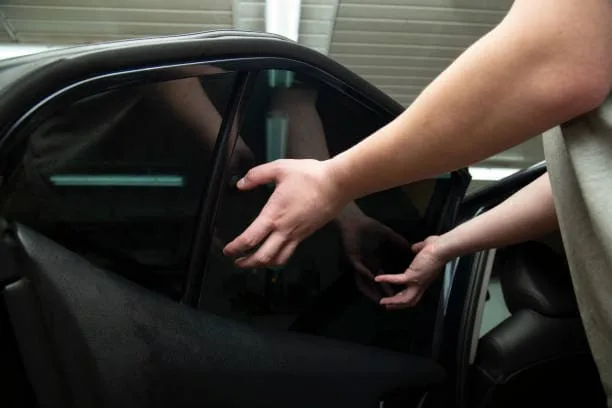
Tinting a working vehicle requires more than choosing a film shade and booking an installation. Taxi proprietors, private-hire operators and fleet managers must consider national road-vehicle law, local licensing conditions, passenger safety and internal vehicle-management policies.
The central rule is straightforward: for most vehicles first used on or after 1 April 1985, the front windscreen must transmit at least 75% of visible light, while the front side windows must transmit at least 70%. National legislation does not set the same light-transmission limits for rear passenger windows or the rear windscreen.
That does not mean every taxi, private-hire vehicle or company car can have unrestricted rear tinting. Local authorities can impose additional licensing conditions, and some prohibit aftermarket film entirely.
UK Window Tinting Limits at a Glance
Visible light transmission, usually shortened to VLT, describes how much visible light passes through the combined glass and film.
A higher VLT percentage means the window allows more light through and therefore appears lighter.
Window positionGeneral requirement for vehicles first used from 1 April 1985Front windscreenAt least 75% VLTFront side windowsAt least 70% VLTRear passenger windowsNo national VLT limitRear windscreenNo national VLT limitVehicles first used before 1 April 1985 must allow at least 70% of light through both the front windscreen and front side windows.
These percentages apply to the finished window, not merely the film. Most automotive glass already reduces a small amount of light before any aftermarket product is installed. A film advertised as allowing 70% of light through could therefore cause the combined window to fall below the legal threshold.
Professional installers should test or assess the existing glass before recommending film for any window near the driver.
Why Taxi and Private-Hire Rules Can Be Stricter
National road law determines whether a vehicle can legally be used on public roads. Taxi and private-hire licensing policies determine whether that vehicle is acceptable for licensed passenger work in a specific area.
Those are separate tests.
The Department for Transport confirms that individual licensing authorities remain responsible for setting their own policies and making decisions about vehicle standards. This means a vehicle that complies with national road law may still fail a council licensing inspection.
Councils may impose stricter conditions because licensed vehicles carry members of the public, including children, disabled passengers and vulnerable adults. Licensing officers may want passengers to be visible from outside the vehicle, particularly during inspections or safeguarding checks.
Operators should never assume that unrestricted rear tinting is permitted simply because national legislation does not specify a rear-window VLT limit.
Local Licensing Policies Are Not Consistent
Tinting requirements can differ substantially between neighbouring authorities.
For example, Manchester City Council states that non-standard private-hire vehicles must provide a clear view of passengers. Its published criteria require at least:
- 75% light transmission through the front windscreen
- 70% through the front side-door glass
- 30% through the remaining glass, excluding the rear window
Manchester also warns that a private-hire vehicle licence can be suspended when tinting added after licensing does not meet its standards.
Sheffield City Council takes a different approach for hackney carriages. It requires compliant front glass, specifies that remaining tinted glass should be factory fitted as standard and does not permit aftermarket tinting film on any window.
Leeds also publishes private-hire conditions prohibiting tinted film, while requiring minimum light-transmission levels across the vehicle’s glazing.
These examples show why generic summaries of uk car tinting laws are insufficient for licensed operators. National legislation is only the starting point. The policy issued by the vehicle’s licensing authority must also be checked.
Factory Privacy Glass and Aftermarket Film Are Not Always Treated Equally
Many modern vehicles leave the factory with darkened rear glass. This is commonly called privacy glass.
A council may permit factory-fitted privacy glass while refusing an aftermarket film that produces a similar appearance. The distinction is not necessarily based only on darkness. Licensing policies may refer specifically to original manufacturer specifications, alterations made after licensing or the ability to see passengers clearly.
Before purchasing a vehicle for taxi or private-hire work, operators should ask the licensing authority whether its original rear glass will be accepted.
This matters particularly when buying:
- Executive saloons
- Luxury SUVs
- People carriers
- Airport-transfer vehicles
- Imported vehicles
- Vehicles previously used for private purposes
- Models supplied with dark rear privacy glass as standard
Do not rely solely on a dealership description. “Factory tinted” does not automatically mean “approved for private hire.”
A pre-purchase licensing check can prevent the cost of replacing glass, removing film or selecting a different vehicle.
Can a Taxi Have Aftermarket Window Film?
The answer depends on the licensing authority.
Some councils permit aftermarket film when the finished glass remains above a specified VLT level. Others allow it only behind the driver. Some accept factory privacy glass but prohibit applied film. A stricter authority may reject any vehicle where passengers cannot be seen clearly from outside.
Before installing film on a licensed vehicle, obtain written answers to four questions:
- Is aftermarket film permitted?
- Which windows may be treated?
- What minimum VLT applies to the rear passenger area?
- Must the vehicle be inspected again after installation?
Written confirmation is preferable to informal telephone advice. Licensing policies can be updated, and an operator may need evidence of the information relied upon when authorising the work.
What Rules Apply to Company Cars?
A company car that is not used as a taxi or private-hire vehicle will normally be governed by the standard national road rules rather than local taxi licensing conditions.
The legal front-glass limits still apply. A company should also consider whether tinting affects:
- Driver visibility
- Night-time operation
- Vehicle insurance
- Lease or finance conditions
- Manufacturer warranties
- Fleet return standards
- Signage visibility
- Camera and sensor operation
- Vehicle resale value
Employers are expected to manage health and safety risks affecting workers who drive as part of their job. The Health and Safety Executive states that employers must manage work-related road risks and ensure vehicles used for work are safe and fit for the road.
A fleet tinting project should therefore be treated as a controlled vehicle modification rather than an informal cosmetic upgrade.
A Practical Fleet Approval Process
Businesses operating several vehicles should establish a written process before approving tinting.
1. Identify How Each Vehicle Is Used
Separate ordinary company cars from taxis, private-hire cars, school-transport vehicles and chauffeur-driven vehicles.
A vehicle may appear to be a standard executive car while still falling within a private-hire licensing regime because of the service it provides.
2. Check the Relevant Authority
Confirm which council licenses the vehicle and review the current vehicle-licensing policy.
Do not apply one council’s rules across a national fleet. Requirements can differ between operating areas.
3. Record Existing Glass Specifications
Document whether the vehicle has:
- Clear factory glass
- Factory privacy glass
- Existing aftermarket film
- Replacement windows
- Previous tint removal
- Windscreen bands or decorative films
- Existing tint must be included when assessing the finished VLT.
4. Define an Approved Film Specification
Choose a controlled film range rather than allowing drivers to select shades individually.
The fleet specification should identify the permitted product, shade, window positions and installation method.
5. Use a Professional Installer
The installer should understand VLT measurement, current front-window restrictions and the difference between national rules and local licensing policies.
DVSA testing has shown that not every tinting product is marketed with complete legal information. In its 2024 surveillance programme, 25 of 42 customer-installed tint products examined provided no information about current tinting regulations, and two products were substantially darker than advertised.
6. Retain Installation Records
Keep the invoice, film specification, installation date, vehicle registration and any available light-transmission measurements in the fleet file.
These records can support maintenance, insurance queries, licensing inspections and future film replacement.
Vehicle Film Is Different from Building Film
Automotive tint should not be confused with house glass tinting.
Architectural films are designed for residential or commercial glazing and may be selected for solar control, privacy, glare reduction or decorative purposes. Vehicle films must accommodate curved glass, heating elements, moving windows and road-visibility requirements.
A film intended for a building should not be applied to a vehicle unless the manufacturer specifically approves it for automotive use. The adhesive, optical properties, shrinking characteristics and safety requirements may be different.
Likewise, vehicle tinting regulations should not be used as a guide to choosing film for a home or office. The two applications involve different glass systems, risks and performance standards.
What Happens If a Working Vehicle Is Too Dark?
Police officers and DVSA examiners can use light-measuring equipment to test front windows.
Where the windscreen or front side windows are excessively tinted, the driver may receive:
- A prohibition notice preventing further road use until the tint is removed
- A penalty notice
- A court summons
It is also illegal to fit or sell glass—or a vehicle fitted with glass—that breaches the relevant requirements.
A licensed taxi or private-hire vehicle may face additional consequences. Depending on the authority and circumstances, these could include a failed vehicle inspection, a requirement to remove the film, suspension of the vehicle licence or refusal of a licence application.
For a business, the operational cost can exceed the price of correcting the film. A prohibited or suspended vehicle may be unable to generate revenue until it is made compliant and inspected again.
Common Mistakes Made by Operators
Assuming Rear Tinting Is Always Allowed
There may be no general national rear-window limit, but local licensing conditions can still restrict rear tinting.
Buying a Vehicle Before Checking Its Glass
Factory privacy glass can cause licensing problems in areas requiring clear passenger visibility.
Choosing Film by Appearance Alone
A shade that looks acceptable in daylight may seriously reduce visibility at night or fail a measured VLT requirement.
Treating an MOT as Full Tint Approval
An MOT certificate should not be treated as a substitute for a dedicated tint assessment or local taxi-licensing inspection. Different checks serve different purposes.
Allowing Drivers to Modify Vehicles Independently
Uncontrolled modifications create inconsistent standards, incomplete records and avoidable compliance risks across a fleet.
Frequently Asked Questions
Are rear windows legally allowed to be completely dark?
National rules do not set a VLT limit for rear passenger windows or the rear windscreen. However, taxi and private-hire licensing authorities may impose stricter conditions, including minimum transmission levels or complete bans on aftermarket film.
Do the same rules apply throughout the UK?
The core front-window requirements are widely applicable, but taxi and private-hire licensing arrangements differ by nation and local authority. Operators must check the rules governing the specific vehicle and operating area.
Can factory privacy glass fail a taxi inspection?
Yes. A licensing authority may require a clear view of passengers or specify a minimum VLT for rear glass. Factory installation does not guarantee local licensing approval.
Can film be added after a taxi has been licensed?
Only when the licensing conditions allow it. Some authorities require the vehicle to be presented for another test, while others prohibit aftermarket film entirely.
Should a tint be disclosed to an insurer or leasing company?
Operators should check the relevant insurance and leasing terms before installation. Tinting is a vehicle modification, and failing to follow contractual notification requirements can create avoidable disputes.
Plan the Installation Before Modifying the Vehicle
For private vehicles, tinting is primarily a question of legal light transmission and installation quality. For taxis, private-hire cars and company fleets, it is also a licensing and risk-management decision.
Global Tint UK can assess the vehicle type, intended use, glass configuration and requested finish before recommending an appropriate installation. Taxi and private-hire operators should provide their licensing authority and any relevant vehicle conditions when requesting a quotation.
Checking these requirements before film is installed is faster and less expensive than removing a non-compliant product after an inspection.