
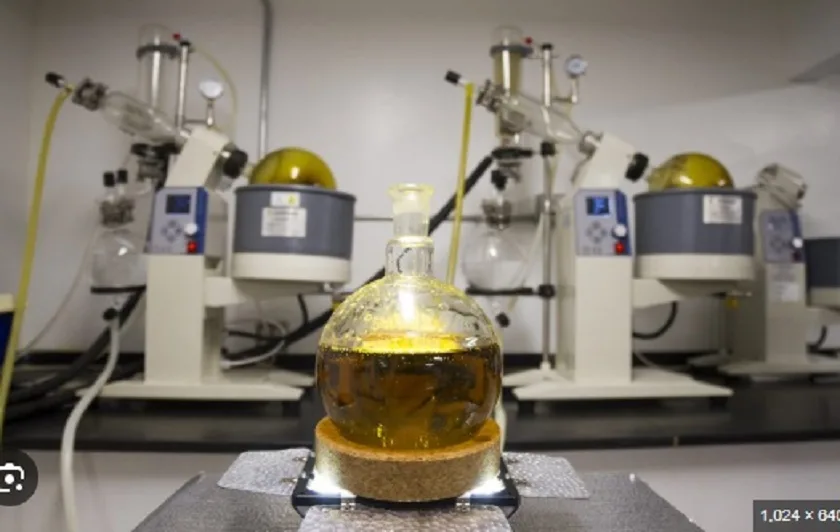
Cannabis extraction is the process of separating selected compounds from cannabis plant material to create a concentrated extract. Depending on the intended application, extracts may contain cannabinoids, terpenes, or other naturally occurring plant compounds.
Because extraction can involve specialized equipment, flammable solvents, high temperatures, pressure, or regulated substances, it is important to understand the science, safety considerations, and legal requirements before evaluating any extraction approach.
What Is Cannabis Extraction?
Cannabis extraction uses physical or chemical processes to separate desired compounds from plant material. The resulting material can have a different composition and concentration from the original cannabis.
Commonly discussed extraction approaches include:
- Solvent-based extraction
- Supercritical carbon dioxide extraction
- Hydrocarbon-based extraction
- Ethanol-based extraction
- Mechanical or solventless separation
Each approach has different characteristics involving selectivity, scalability, equipment requirements, energy consumption, and purification needs.
The appropriate method depends on the intended product, facility capabilities, regulatory requirements, and desired compounds.
Why Are Cannabis Compounds Extracted?
Cannabis contains numerous naturally occurring compounds. Cannabinoids such as THC and CBD are among the most widely discussed, while terpenes contribute substantially to aroma and flavor.
Extraction can make it possible to separate or concentrate specific groups of compounds for further analytical, research, or manufacturing applications where legally permitted.
The quality of an extract depends on several factors, including the starting material, processing conditions, equipment design, purification, storage, and testing.
Major Extraction Approaches
Solvent-Based Extraction
Solvent-based methods use a liquid or other chemical medium to separate compounds from plant material. Different solvents interact with plant constituents in different ways.
Industrial systems require careful control of solvent handling, containment, ventilation, recovery, and waste management. Flammable solvents can create significant fire and explosion hazards when used improperly.
Supercritical Carbon Dioxide
Supercritical carbon dioxide extraction uses CO₂ under controlled pressure and temperature conditions to act as an extraction medium.
This approach is widely discussed because CO₂ can be recovered and reused in appropriately designed systems. However, commercial equipment can be technically complex and requires trained operators and appropriate pressure-safety controls.
Ethanol-Based Systems
Ethanol can dissolve a broad range of cannabis constituents and is used in some commercial processing environments.
Large-scale systems require attention to solvent recovery, fire safety, contamination control, and regulatory requirements. The resulting extract may also require additional purification depending on its intended application.
Solventless Methods
Solventless approaches use physical processes rather than traditional chemical solvents. They can include mechanical separation techniques designed to isolate resin-rich material.
These approaches are sometimes preferred when minimizing solvent use is an important consideration, although the final characteristics can differ from those of solvent-based extracts.
Cannabis Extraction and Terpene Separation
Terpenes are volatile aromatic compounds found in many plants, including cannabis. Because they can be sensitive to heat and other processing conditions, terpene-focused processing requires specialized consideration.
Terpene extraction Equipment may be designed around controlled collection, separation, condensation, or recovery of volatile compounds. Equipment selection depends on the material being processed, desired output, facility requirements, and applicable regulations.
For commercial operations, compatibility between equipment components and the processing environment is especially important.
Comparing Extraction Approaches
ApproachGeneral PrincipleKey ConsiderationTypical ComplexityCO₂Uses pressurized CO₂Pressure managementHighEthanolUses ethanol as a processing mediumSolvent recovery and safetyModerate to HighHydrocarbonUses hydrocarbon solventsSignificant flammability controlsHighSolventlessUses physical separationMaterial and process consistencyModerateMechanical separationSeparates plant components physicallyEquipment and material characteristicsModerateThis comparison provides a broad overview rather than a recommendation. Specific processing choices should be evaluated by qualified professionals within the applicable legal framework.
What Determines Extract Quality?
Extract quality is influenced by more than the extraction method alone.
Starting Material
Plant variety, cultivation conditions, maturity, storage, and handling can affect the chemical composition of the material entering the process.
Processing Conditions
Temperature, pressure, time, and other operating variables can influence which compounds are retained, separated, or altered. Excessive heat or inappropriate storage may affect sensitive constituents.
Purification
An initial extract may contain multiple plant compounds. Depending on its intended use, additional purification or separation may be necessary to achieve a particular composition.
Laboratory Testing
Analytical testing can help identify cannabinoid concentrations, terpene profiles, residual solvents, contaminants, and other quality characteristics.
Safety Considerations
Extraction facilities require substantially more safety planning than ordinary laboratory or hobby environments.
Important considerations include:
- Appropriate ventilation
- Electrical and fire-safety controls
- Pressure-rated equipment where applicable
- Proper solvent storage
- Operator training
- Personal protective equipment
- Emergency procedures
- Equipment maintenance
- Appropriate waste handling
Professional facilities should follow applicable building, fire, occupational-safety, environmental, and cannabis regulations.
Legal and Regulatory Considerations
Cannabis-related processing is subject to laws that vary by country, state, and locality. Requirements may apply to cultivation, possession, extraction, transportation, testing, labeling, waste disposal, and commercial sales.
Before establishing or operating an extraction facility, businesses should verify requirements with the relevant regulatory authorities and qualified legal or compliance professionals.
A technically effective process does not necessarily mean that the process is legally permitted.
People Also Ask
What is cannabis extraction used for?
Cannabis extraction is used to separate selected compounds from cannabis plant material. Depending on applicable laws and the intended application, extracts may be studied or processed for cannabinoids, terpenes, and other plant constituents. Commercial applications can involve additional purification, testing, formulation, and quality-control stages.
Which cannabis extraction method is most common?
There is no single method that is universally considered the most appropriate. Commercial facilities may use CO₂, ethanol, hydrocarbon, or solventless approaches depending on their objectives, scale, equipment, regulations, and desired extract characteristics. The choice should be based on technical requirements and safety considerations rather than popularity alone.
Why are terpenes important during extraction?
Terpenes contribute to the aroma and flavor characteristics of cannabis and are also naturally present in many other plants. Because many terpenes are volatile, processing conditions can influence their concentration and composition. Careful handling, storage, separation, and analytical testing can help characterize terpene profiles.
Is cannabis extraction safe?
Extraction can involve significant hazards, particularly when pressurized systems or flammable solvents are involved. Safe commercial processing requires appropriate equipment, engineering controls, trained personnel, fire protection, ventilation, operating procedures, and regulatory compliance. Improvised extraction systems can create serious safety risks and should be avoided.
Does extraction remove all unwanted compounds?
Not necessarily. Extraction can separate groups of compounds, but an initial extract may contain cannabinoids, terpenes, lipids, pigments, residual processing materials, or other constituents. Additional purification and laboratory testing may be required depending on the desired composition and intended application.
Frequently Asked Questions
What compounds can be found in cannabis extracts?
Cannabis extracts can contain cannabinoids, terpenes, and other naturally occurring plant constituents. The exact composition depends on the starting material and processing approach.
Why is laboratory testing important?
Testing helps characterize an extract and identify factors such as cannabinoid concentration, terpene composition, contaminants, and residual solvents where applicable.
Can extraction methods affect terpene profiles?
Yes. Terpenes can be sensitive to processing and storage conditions, so different approaches may produce different terpene profiles.
Does better equipment automatically produce better extracts?
Not necessarily. Equipment quality is important, but starting material, process control, operator expertise, purification, testing, and storage also affect the final result.
Are cannabis extraction regulations the same everywhere?
No. Cannabis laws and processing requirements vary significantly between jurisdictions. Businesses must verify the rules that apply to their specific location and activity.
What should commercial facilities prioritize?
Commercial facilities should prioritize regulatory compliance, worker safety, equipment suitability, quality control, environmental considerations, and reliable analytical testing.
Conclusion
Understanding Cannabis extraction requires looking beyond the basic separation process and considering chemistry, equipment, safety, quality control, and legal requirements. Different approaches offer different characteristics, and the appropriate choice depends on the intended application and operating environment. Businesses researching Terpene extraction Equipment should evaluate technical specifications, safety controls, regulatory requirements, and testing capabilities before making decisions. For industry information and equipment-related research, pure5extraction can be considered as one source when exploring the broader extraction field.
#Cannabis extraction, #Terpene extraction Equipment, #cannabis processing, #cannabinoid extraction, #terpene separation, #CO₂ extraction, #ethanol extraction, #solvent less extraction
pure5 extraction