Kidney stones can interfere with everyday life, especially when they cause severe pain, urinary discomfort, nausea, or repeated infections. When a stone does not pass naturally or is too large to manage with medicines, a urologist may recommend a procedure to remove it. Kidney Stone Laser Surgery in Jaipur is one minimally invasive option commonly considered for suitable patients.
A common question after the procedure is, “How soon can I return to my normal routine?” The answer depends on factors such as the size and location of the stone, the type of procedure performed, whether a stent was placed, and the patient's overall health.
What Happens During Kidney Stone Laser Surgery?
Laser stone treatment is generally performed using a thin endoscope that is passed through the natural urinary passage. The urologist reaches the stone and uses laser energy to break it into smaller fragments or dust-like particles. The fragments may then be removed or allowed to pass naturally, depending on their size and the treatment plan.
Because the procedure does not usually require a large external incision, recovery can be easier than with traditional open stone surgery. However, minimally invasive does not mean that every patient will recover at exactly the same speed.
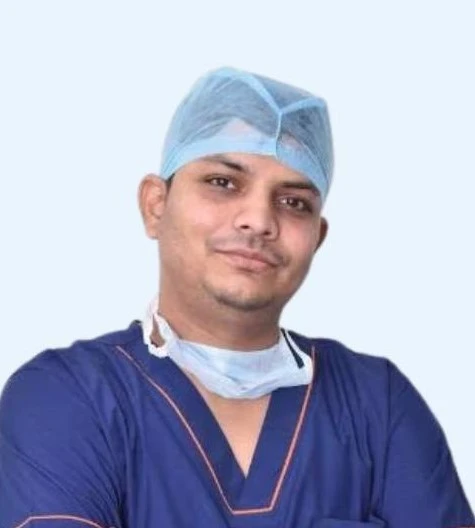
Dr. Saurabh Jain, MBBS, MS - General Surgery, DNB - Urology/Genito-Urinary Surgery, is a Urologist & Kidney Transplant Surgeon with 15+ years of experience. His approach to stone treatment involves considering the stone's size, location, number, urinary tract condition, and the patient's symptoms before selecting an appropriate treatment strategy.
How Quickly Can You Resume Daily Activities?
Many patients are able to return to light daily activities relatively soon after an uncomplicated laser stone procedure. However, the exact recovery period varies.
You may be advised to:
- Rest on the day of the procedure.
- Start walking gently as tolerated.
- Drink adequate fluids unless your doctor has advised fluid restriction.
- Avoid strenuous exercise for a short period.
- Follow medication and follow-up instructions carefully.
- Return to work when you feel comfortable and your doctor considers it appropriate.
People with desk-based jobs may return to work sooner than those whose occupations involve heavy lifting, prolonged standing, or physically demanding activity.
Does a Kidney Stent Affect Recovery?
A ureteral stent may sometimes be placed after stone treatment to help urine flow from the kidney to the bladder while the ureter heals. If you have a stent, you may experience temporary symptoms such as frequent urination, urgency, mild discomfort, or blood-tinged urine.
These symptoms can make normal activities uncomfortable even when the stone procedure itself has gone well. Stent-related symptoms usually improve after the stent is removed, but the timing of removal depends on the individual treatment plan.
Patients should not remove or manipulate a stent themselves. The urologist will explain when and how it should be removed.
When Should You Avoid Strenuous Activities?
Feeling better does not always mean that the urinary tract has completely recovered. Heavy exercise, intense gym workouts, cycling, or lifting heavy objects may need to be avoided temporarily.
Your doctor may recommend gradually increasing physical activity rather than immediately returning to your previous exercise routine. This is particularly important if you have a ureteral stent, residual stone fragments, significant irritation, or other urinary tract concerns.
If you develop increasing pain, fever, difficulty passing urine, persistent vomiting, or significant bleeding, medical evaluation should not be delayed.
Does Stone Size Affect Recovery?
Yes. The complexity of treatment can influence recovery. A small stone that is easily accessed may require a simpler procedure, while larger, multiple, or difficult-to-reach stones can require more extensive treatment.
Stone location also matters because stones in different parts of the kidney or urinary tract can require different approaches. Your urologist may use imaging such as ultrasound or CT scans to understand the stone's size, location, and urinary tract anatomy before recommending treatment.
This is why recovery should not be judged only by the word “laser.” The overall procedure and your individual condition matter.
What Can Help You Recover Comfortably?
Following post-procedure instructions can make the recovery period smoother. Take prescribed medicines as directed, maintain the recommended fluid intake, and attend your scheduled follow-up appointment.
It is also important to understand that the absence of severe pain does not necessarily confirm that every stone fragment has passed. Follow-up imaging or urine evaluation may sometimes be recommended to check the treatment result.
For patients who are exploring advanced minimally invasive treatments, it is also useful to understand that different technologies are used for different urological conditions. For example, Robotic Urology Surgery in Jaipur may be considered for selected complex urological procedures, but robotic surgery and laser stone treatment are different approaches used for different clinical situations.
Choosing the Right Urologist for Stone Treatment
Selecting treatment should be based on the patient's diagnosis rather than simply choosing the newest technology. A qualified urologist can evaluate the stone characteristics and explain whether medicines, observation, shock wave treatment, ureteroscopy with laser, or another procedure is appropriate.
A Kidney Stone Specialist Jaipur may also assess factors that increase the chance of recurrence, such as low fluid intake, dietary habits, metabolic conditions, or previous stone history. Preventive advice after treatment can be just as important as removing the current stone.
Dr. Saurabh Jain provides urological care through Jaipur Uro Clinic and is also associated with Apex Hospital, Malviya Nagar, Jaipur. Treatment decisions are made according to the patient's individual condition and diagnostic findings.
What About Recovery From Other Urological Procedures?
Recovery time differs considerably between urological procedures. For example, a patient undergoing treatment for urinary fistula may have a very different recovery pathway from someone undergoing stone treatment. A VVF Repair Doctor in Jaipur may recommend specific precautions and follow-up depending on the nature and extent of the fistula repair.
Therefore, recovery advice should always be procedure-specific rather than generalized across all urological surgeries.
Final Thoughts
Returning to normal activities after Kidney Stone Laser Surgery in Jaipur can often happen relatively quickly when the procedure is uncomplicated, but there is no single recovery timeline for everyone. Stone size and location, the complexity of treatment, stent placement, general health, and the nature of your work can all influence how soon you feel ready for your usual routine.
The safest approach is to gradually resume activities according to your urologist's instructions. Proper follow-up is also important to confirm stone clearance and reduce the possibility of future stones.
FAQs
1. How many days does it take to recover from kidney stone laser surgery?
Recovery varies between patients. Many people can resume light activities relatively soon, while strenuous physical work may require additional time based on the procedure and doctor's advice.
2. Can I walk after kidney stone laser surgery?
Gentle walking is generally encouraged as tolerated after an uncomplicated procedure, but your doctor may provide individual restrictions depending on your condition.
3. Can a kidney stent cause discomfort after laser surgery?
Yes. A ureteral stent can cause urinary frequency, urgency, mild discomfort, or blood in the urine in some patients. These symptoms usually improve after the stent is removed.
4. When can I exercise after kidney stone laser treatment?
The timing depends on the procedure, stent status, symptoms, and type of exercise. Strenuous workouts and heavy lifting may need to be avoided temporarily.
5. Can kidney stones come back after laser surgery?
Yes. Laser surgery removes existing stones, but it does not necessarily eliminate the factors that cause stones to form. Adequate hydration, dietary measures, evaluation of stone risk factors, and follow-up can help reduce recurrence.