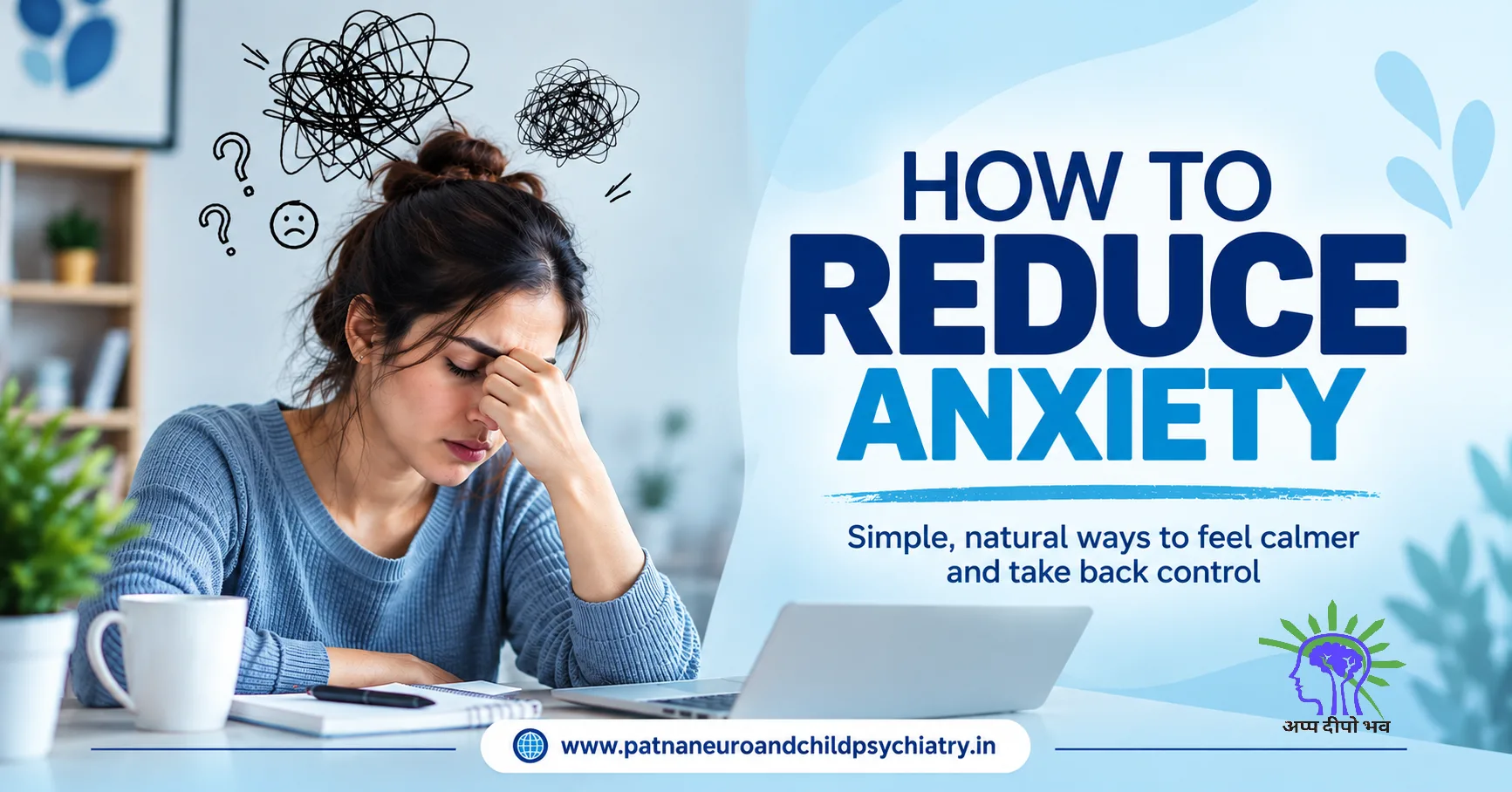
Anxiety can affect anyone, especially during stressful or uncertain situations. Occasional worry is a normal response, but frequent anxiety can affect sleep, concentration, relationships, work, and overall well-being.
Simple lifestyle changes, relaxation techniques, better sleep, and regular physical activity are some natural ways to reduce anxiety. These approaches may help you feel calmer and manage everyday stress more effectively.
However, natural methods may not be enough when anxiety becomes persistent or starts interfering with daily life. In such cases, consulting a psychiatrist in Patna can help identify the underlying cause and determine whether professional treatment is needed.
Understanding Anxiety and Its Triggers
Anxiety is the body's response to stress or a perceived threat. It may cause feelings of worry, nervousness, fear, or uneasiness. While occasional anxiety is common, frequent or intense symptoms can make everyday situations difficult to manage.
Common Anxiety Triggers
Anxiety can have different triggers for different people.
Common triggers include:
- Work-related pressure or academic stress
- Relationship or family problems
- Financial difficulties
- Health concerns
- Major life changes
- Lack of sleep
- Excessive caffeine
- Unresolved emotional stress
Sometimes, there may be no obvious trigger. Anxiety can gradually build due to ongoing stress or several smaller problems occurring at the same time.
How Anxiety Can Affect Daily Life
Persistent anxiety can affect both emotional and physical health. You may experience constant worry, irritability, difficulty concentrating, restlessness, or trouble sleeping.
Anxiety may also cause physical symptoms such as muscle tension, fatigue, sweating, a rapid heartbeat, or stomach discomfort. When these symptoms repeatedly interfere with work, relationships, sleep, or everyday activities, they should not be ignored.
Identifying your symptoms and possible triggers is an important first step toward managing anxiety effectively.
7 Natural Ways to Reduce Anxiety
Managing anxiety does not always require complicated changes. Several simple habits and relaxation techniques can be included in your daily routine to reduce stress and create a greater sense of calm.
1. Practice Deep Breathing
Slow, controlled breathing can help calm the body's stress response. Diaphragmatic breathing and other slow-breathing exercises can be useful when you begin to feel tense or overwhelmed.
Try breathing slowly through your nose, allowing your abdomen to expand, and then exhaling gently. Focusing on your breathing for a few minutes may help reduce immediate feelings of tension.
2. Try Mindfulness and Meditation
Mindfulness involves paying attention to the present moment instead of becoming caught up in worries about the past or future.
Mindfulness meditation, guided imagery, and simple meditation exercises may help improve relaxation and emotional control. Practising regularly can also make it easier to notice anxious thoughts without immediately reacting to them.
3. Exercise Regularly
Regular physical activity can support both physical and mental health. Walking, cycling, swimming, stretching, or other forms of exercise can help release tension and improve mood.
You do not necessarily need an intense workout. Even a short daily walk can be a practical, natural method to relieve anxiety and reduce accumulated stress.
4. Maintain a Nutritious Diet
A balanced diet supports overall brain and body function. Include fruits, vegetables, whole grains, protein sources, nuts, and other nutrient-rich foods in your regular meals.
Staying hydrated is also important. Excessive caffeine and energy drinks may worsen nervousness, restlessness, or sleep problems in some people, so reducing them may help if you frequently experience anxiety.
5. Prioritize Quality Sleep
Poor sleep and anxiety can reinforce each other. Anxiety can make sleeping difficult, while insufficient sleep may make you feel more anxious the following day.
Maintain a regular sleep and wake schedule whenever possible. Limiting screens before bedtime and keeping your bedroom quiet and comfortable can also support better sleep.
6. Stay Connected With Supportive People
Talking to someone you trust can make stressful situations feel more manageable. Spend time with family members, friends, or other supportive people rather than isolating yourself when you feel anxious.
Sharing your concerns may provide emotional support and help you view the situation from a different perspective.
7. Make Time for Relaxing Activities
Activities such as yoga, gentle stretching, listening to music, gardening, reading, or spending time outdoors can help you unwind.
Choose activities that genuinely make you feel relaxed rather than forcing yourself to follow a particular technique. Finding something you enjoy can make it easier to include relaxation in your everyday routine.
These habits can help you calm your anxiety at home and improve your ability to cope with everyday stress. However, persistent or worsening symptoms may require professional evaluation.
Ways to Reduce Anxiety Immediately
When anxiety suddenly increases, simple calming techniques may help reduce the intensity of the moment. These methods may not treat the underlying cause of anxiety, but they can help you regain a sense of control.
1. Slow Down Your Breathing
Anxiety can make breathing faster and shallower. Try taking slow breaths through your nose and exhaling gently. Focus on making each breath steady rather than taking repeated deep breaths too quickly.
2. Try the 5-4-3-2-1 Grounding Technique
Grounding can shift your attention away from anxious thoughts and bring your focus back to the present moment.
Look around and identify:
- 5 things you can see
- 4 things you can touch
- 3 things you can hear
- 2 things you can smell
- 1 thing you can taste
This technique can be especially useful when your thoughts feel overwhelming.
3. Relax Your Muscles
Anxiety often causes physical tension without you noticing it. Relax your shoulders, unclench your jaw, and loosen your hands. You can also tense and slowly release different muscle groups to reduce physical tension.
4. Take a Short Walk
If possible, step away from the stressful situation and walk for a few minutes. Gentle movement can provide a mental break and help release built-up tension.
5. Focus on What You Can Control
Anxious thoughts often revolve around situations that have not happened yet. Instead of trying to solve everything at once, identify one thing you can realistically manage right now.
Breaking a stressful situation into smaller steps can make it feel less overwhelming.
6. Talk to Someone You Trust
If anxiety feels difficult to handle alone, call or speak with someone you trust. A supportive conversation can help you feel less isolated and bring your attention away from repetitive worrying.
These are useful ways to reduce anxiety immediately, but frequent episodes may indicate an underlying anxiety disorder. If anxiety repeatedly becomes difficult to control, consider consulting a patna psychiatrist for a proper assessment.
Natural Remedies and Supplements for Anxiety
Some people explore herbs, supplements, or other complementary approaches while looking for natural anxiety medication for adults. However, these products should not be considered a direct replacement for medical treatment. Their effectiveness and safety can vary, and some may interact with medicines.
1. Herbal Supplements
Herbal products such as chamomile, passionflower, and valerian are commonly used for relaxation and stress management. However, evidence for their effectiveness in treating anxiety varies.
Herbal does not automatically mean safe. Some supplements can cause side effects or interact with prescription medicines, so consult a healthcare professional before using them regularly.
2. Aromatherapy and Essential Oils
Aromatherapy may help some people feel more relaxed. Lavender and bergamot are commonly used for this purpose.
Essential oils should be used carefully and according to product instructions. They should not be swallowed, and concentrated oils generally should not be applied directly to the skin without appropriate dilution.
3. Adaptogens
Ashwagandha and rhodiola are often marketed as adaptogens that may help the body cope with stress. Some people use them as part of their stress-management routine, but they are not suitable for everyone.
If you take regular medication, have an existing health condition, or are pregnant or breastfeeding, speak with a healthcare professional before taking an adaptogen or dietary supplement.
4. Homeopathic Remedies
Some people choose homeopathic products as a complementary approach to anxiety. However, there is limited reliable evidence that homeopathy effectively treats anxiety disorders.
If anxiety is persistent, severe, or interfering with daily activities, avoid relying on homeopathic remedies alone. A professional assessment can help determine the cause of your symptoms and the appropriate treatment.
Important Note
Always discuss supplements and complementary remedies with a qualified healthcare professional before starting them. This is particularly important if you already take medication or have an existing medical condition.
Natural approaches may support relaxation and stress management, but they should not delay appropriate care when anxiety is persistent or worsening.
When Natural Ways to Manage Anxiety Are Not Enough
Natural methods can help with occasional stress and mild anxiety, but they may not be enough when symptoms become frequent or severe.
Consider seeking professional help if anxiety:
- Interferes with your work, studies, or relationships
- Makes it difficult to sleep or concentrate
- Causes frequent panic attacks
- Leads you to avoid everyday situations
- Causes persistent physical symptoms
- Feels difficult to control despite lifestyle changes
A mental health professional can assess your symptoms, possible triggers, medical history, and their impact on daily life. If you are looking for the best psychiatrist doctor in patna, focus on professional qualifications, clinical experience, and an individualized approach to anxiety treatment rather than relying only on online claims.
Anxiety Treatment in Patna
Anxiety treatment depends on the type and severity of symptoms and how much they affect everyday life. Treatment may include counselling or psychotherapy, lifestyle changes, stress-management techniques, and medication when clinically required.
At Pratap Neuro & Child Psychiatry Clinic, anxiety-related concerns are evaluated by Dr. Vivek Pratap Singh. As an AIIMS and PMCH experienced psychiatrist, he provides assessment and treatment based on each patient's symptoms, triggers, medical history, and individual needs.
Professional treatment does not mean that natural anxiety-management techniques need to stop. Healthy sleep, exercise, relaxation techniques, and other supportive habits can often be continued alongside recommended treatment.
Conclusion
Anxiety can often be managed with simple changes such as regular exercise, better sleep, mindfulness, relaxation techniques, and supportive relationships. These approaches can reduce everyday stress and help you respond to anxious feelings more calmly.
However, natural methods are not a substitute for professional care when anxiety becomes persistent, severe, or starts affecting daily life. Seeking timely support can help identify the underlying causes and create an appropriate treatment plan.
Frequently Asked Questions
1. Can anxiety go away on its own?
Mild or temporary anxiety may improve when the stressful situation passes or the trigger is resolved. However, persistent anxiety may not disappear without appropriate management or treatment. Seek professional help if symptoms continue or start affecting your daily life.
2. What is the #1 worst habit for anxiety?
Constant avoidance can make anxiety worse over time. Avoiding situations that cause fear may provide temporary relief, but it can reinforce anxiety and make those situations harder to face later. Poor sleep, excessive caffeine, and repeatedly seeking reassurance can also contribute to anxiety.
3. What should I do if I can't control my anxiety anymore?
If anxiety feels difficult to control, speak with a qualified mental health professional for an assessment. Treatment may include therapy, lifestyle changes, coping strategies, or medication when needed. If you feel unsafe or have thoughts of harming yourself, seek immediate emergency help.