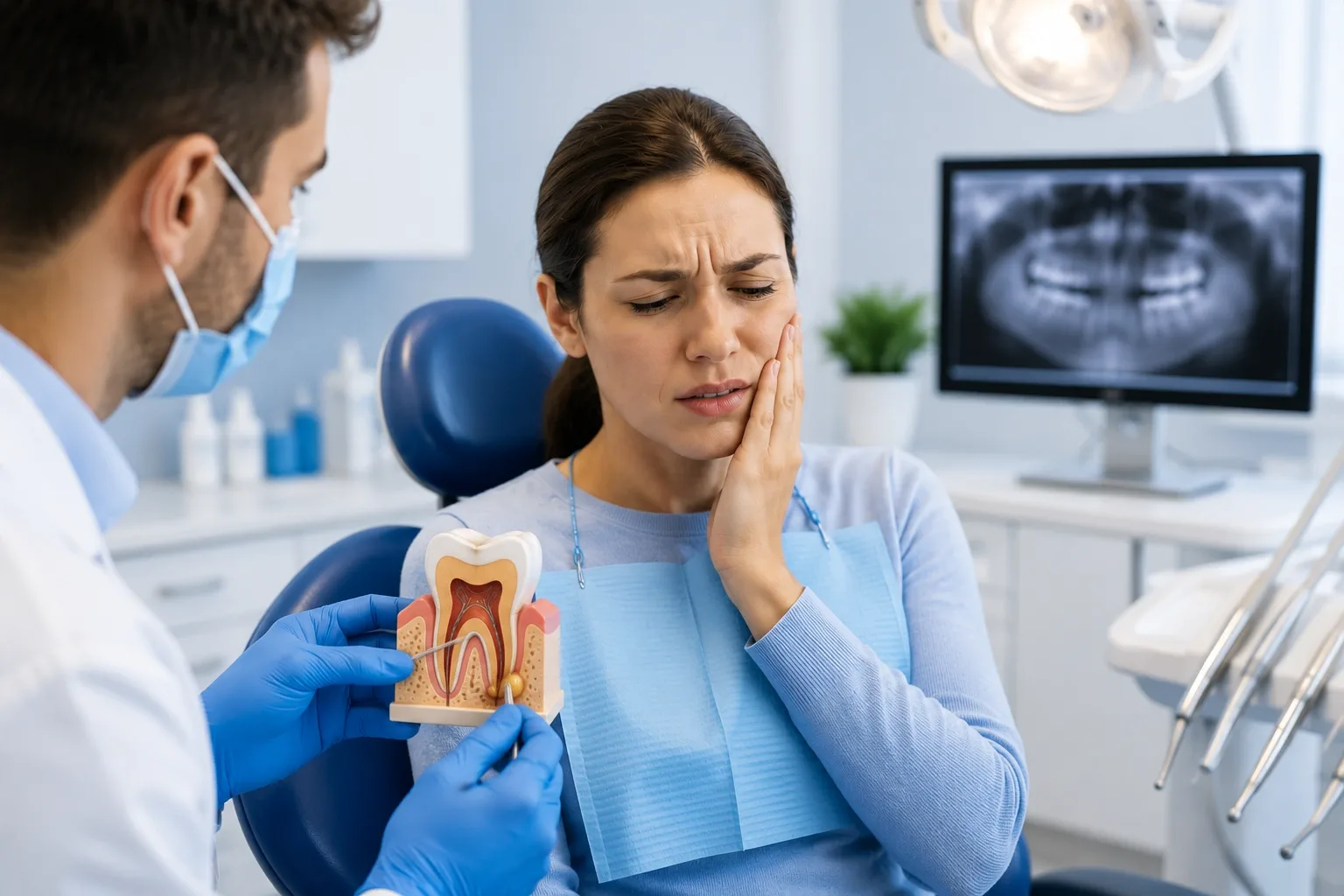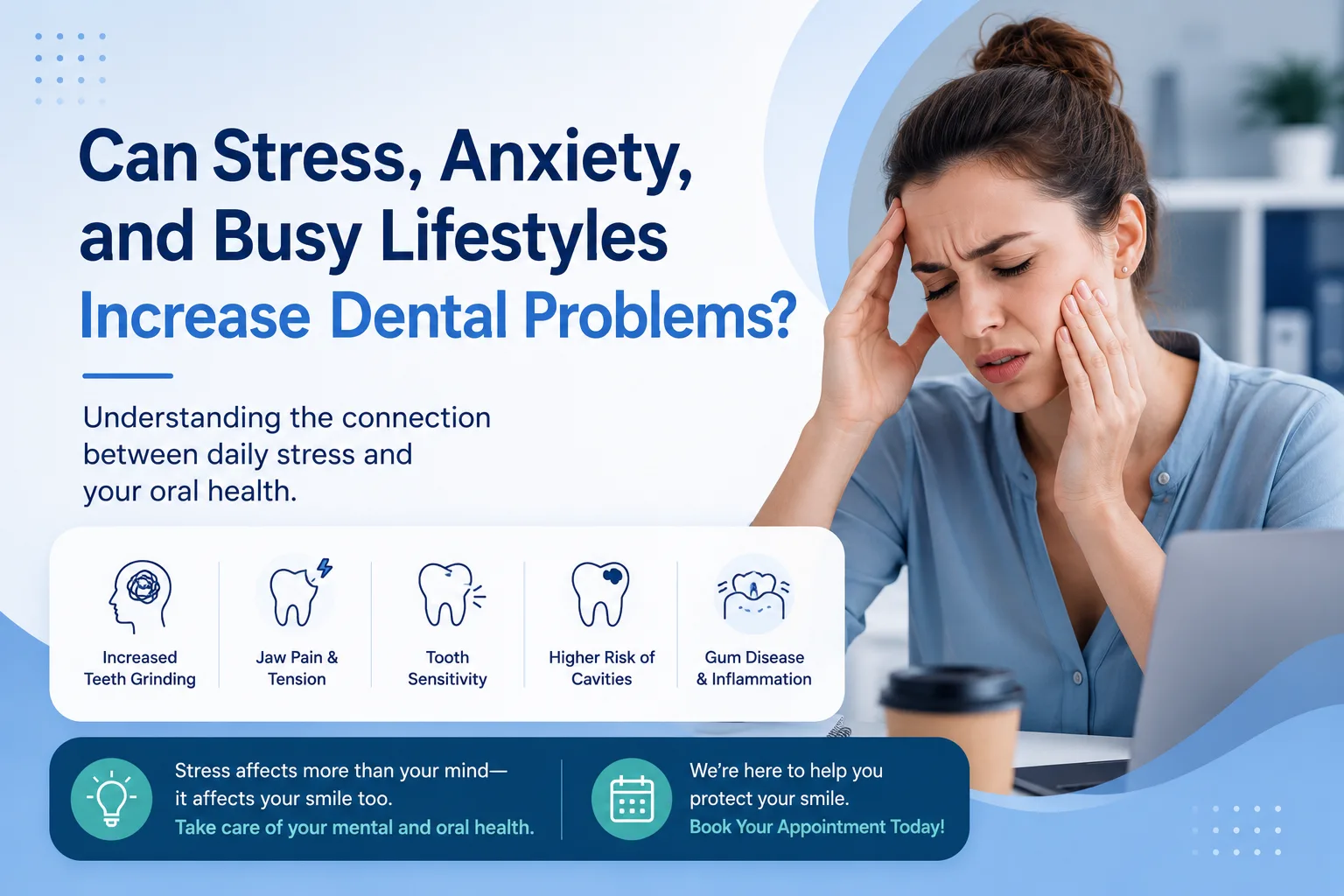
Stress, anxiety, and fast-paced lifestyles can affect oral health more than many people realize. Dentists increasingly report seeing patients with stress-related dental issues such as teeth grinding, jaw clenching, gum inflammation, dry mouth, and neglected oral hygiene habits.
Modern routines involving long work hours, irregular sleep, high caffeine intake, and ongoing mental pressure may indirectly contribute to several common dental problems.
Stress Often Affects Oral Health in Multiple Ways
Many people associate stress with mental fatigue or poor sleep, but it can also influence daily habits that affect teeth and gums.
Stress-related behaviors may include:
- Teeth grinding during sleep
- Jaw clenching
- Skipping oral hygiene routines
- Smoking or increased alcohol intake
- Poor dietary habits
- Increased sugary food consumption
Over time, these habits may contribute to tooth wear, gum irritation, and higher risk of dental complications.
Educational resources from clinics such as Bradbury Dental Surgery often discuss how stress and jaw tension are commonly linked in adult dental patients.
Teeth Grinding and Jaw Clenching Are Increasingly Common
Bruxism, commonly known as teeth grinding, is frequently associated with stress and anxiety. Many adults clench their jaw unconsciously during sleep or periods of concentration.
Common symptoms may include:
- Morning headaches
- Jaw pain
- Tooth sensitivity
- Facial tension
- Worn or cracked teeth
Because grinding often happens during sleep, many people remain unaware of the problem until symptoms become more noticeable.
According to Healthdirect Australia – Teeth Grinding Information, stress and sleep disturbances are commonly linked to bruxism and jaw-related discomfort.
Busy Schedules Often Lead to Delayed Dental Care
Many adults delay routine dental appointments because of work, parenting responsibilities, or demanding schedules. Small dental issues that could have been managed early may gradually become more serious over time.
Commonly delayed issues include:
- Bleeding gums
- Tooth sensitivity
- Minor cavities
- Cracked teeth
- Jaw discomfort
Preventive dental care is often simpler and less invasive when problems are identified early.
Anxiety Can Affect Oral Hygiene Habits
Mental stress and anxiety may sometimes reduce motivation for consistent oral care routines. During stressful periods, some people brush less effectively, skip flossing, or consume more sugary foods and drinks.
This may increase the risk of:
- Plaque buildup
- Gum inflammation
- Tooth decay
- Bad breath
- Dry mouth
Lifestyle patterns can significantly influence long-term oral health outcomes.
Poor Sleep Quality May Also Impact Dental Health
Sleep and oral health are closely connected. Poor sleep quality may increase nighttime grinding, weaken immune response, and contribute to inflammation within the body.
Sleep-related issues commonly associated with dental symptoms include:
- Teeth grinding
- Jaw tension
- Dry mouth
- Mouth breathing
- Increased fatigue
The Australian Dental Association – Bruxism Information also highlights the connection between stress-related grinding and long-term dental wear.
Dry Mouth Can Become More Common During Stress
Stress, anxiety, and some medications may reduce saliva production, leading to dry mouth. Saliva plays an important role in protecting teeth by helping neutralize acids and wash away bacteria.
Persistent dry mouth may increase the risk of:
- Cavities
- Gum disease
- Bad breath
- Mouth infections
- Difficulty swallowing
People experiencing ongoing dry mouth symptoms are often encouraged to seek professional dental advice.
Lifestyle Habits Can Slowly Affect Long-Term Oral Health
Busy modern lifestyles often influence oral health indirectly through daily habits and routines.
Factors that may contribute to dental problems include:
- Excess caffeine consumption
- Smoking
- Poor hydration
- Frequent snacking
- High sugar intake
- Limited sleep
- Stress-related muscle tension
While occasional stress is normal, chronic stress combined with poor lifestyle habits may gradually increase dental risks over time.
Preventive Dentistry Is Becoming More Important
Modern dental care increasingly focuses on prevention, early detection, and patient education. Many dentists now routinely check for signs of stress-related tooth wear, jaw tension, and gum inflammation during regular examinations.
Preventive care may include:
- Routine check-ups
- Custom night guards
- Gum health monitoring
- Oral hygiene education
- Lifestyle recommendations
Preventive-focused clinics, including providers like Bradbury Dental Surgery Campbelltown, often encourage patients to address early symptoms before they progress into more complex dental conditions.
Frequently Asked Questions
Can stress really affect teeth and gums?
Yes. Stress may contribute to teeth grinding, jaw clenching, poor oral hygiene habits, and inflammation that can affect overall oral health.
Why do people grind their teeth during stressful periods?
Stress and anxiety may increase muscle tension and unconscious jaw clenching, especially during sleep.
Can busy lifestyles lead to more dental problems?
Busy schedules often lead people to delay preventive care, ignore symptoms, or develop habits that negatively affect oral health over time.
Is jaw pain always related to stress?
Not always. Jaw pain can have multiple causes, including dental problems, bite issues, TMJ disorders, and teeth grinding.
Final Insight
Modern lifestyles have changed how many adults manage stress, sleep, work, and personal health. As stress and anxiety levels continue increasing, dentists are seeing more oral health problems connected to jaw tension, teeth grinding, gum inflammation, and delayed preventive care.
While stress alone may not directly cause every dental issue, long-term lifestyle patterns can significantly influence oral health over time. Early awareness, preventive care, and healthy daily habits often play an important role in reducing future dental complications.