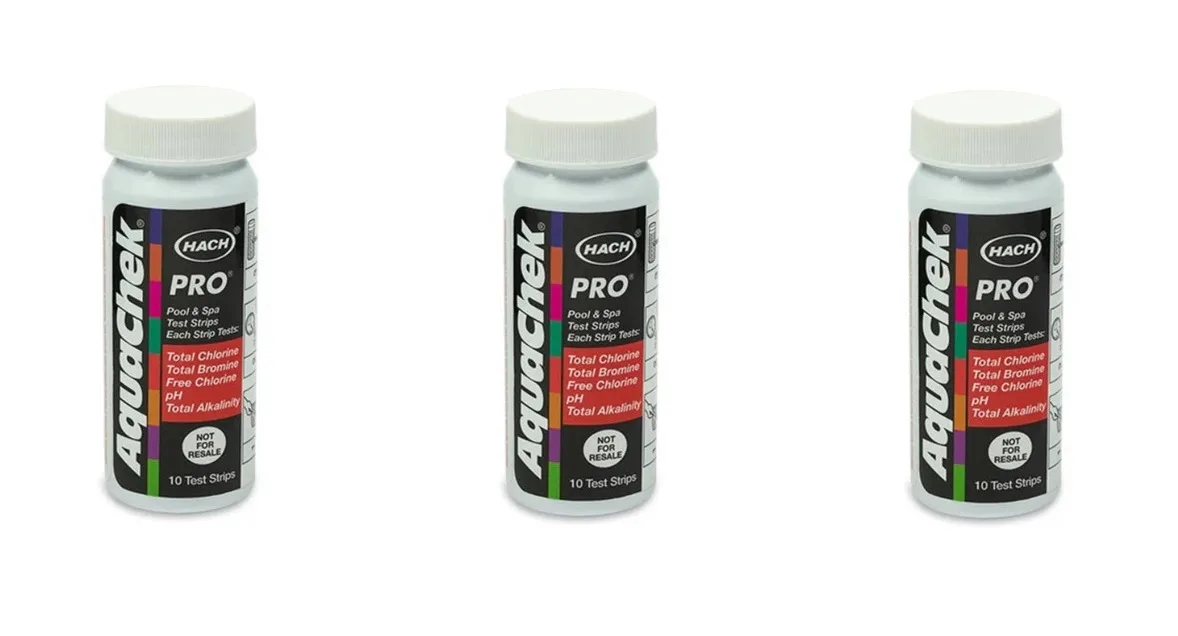
Keeping pool water balanced involves monitoring several important measurements rather than focusing on just one. Chlorine and pH are among the most commonly checked parameters because they provide useful information about the overall condition of pool water. Fortunately, many multi-parameter testing products are designed to measure both during a single testing process.
This makes testing strips a convenient option for regular pool maintenance. Instead of performing separate procedures for every measurement, a single strip may contain several reactive pads, with each pad responding to a particular water characteristic. However, understanding how these strips work, how to read them correctly, and what their limitations are is important for getting useful results.
How Multi-Parameter Testing Works
Many modern testing strips contain several chemically treated pads arranged along a single strip. Each pad is formulated to react with a particular characteristic of the water. When the strip is exposed to a sample, the pads develop colors that can be compared with the reference chart supplied with the product.
Because chlorine and pH involve different chemical reactions, they are generally represented by separate testing areas on the strip. This means the two measurements can be obtained from the same water sample without requiring separate strips for every parameter.
- One strip can contain multiple testing pads.
- Different pads correspond to different measurements.
- Chlorine and pH are typically represented separately.
- Color development occurs after contact with the water.
- Results should be compared with the correct reference scale.
- The manufacturer's instructions determine the proper testing procedure.
This approach can simplify routine maintenance. Instead of carrying several individual testing products, users can obtain multiple measurements from one testing process. The exact number of parameters varies between products, so checking the label is important before purchasing or using a particular strip.
What the Chlorine Reading Tells You
Chlorine is commonly monitored as part of routine pool water management. Testing provides an indication of the amount present in the water at the time of sampling. Chlorine levels can change as a result of sunlight, pool usage, water conditions, and other routine factors.
A strip designed to measure chlorine typically includes a reactive pad that changes color after contact with the water. The resulting shade is then compared with the appropriate scale. Some products distinguish between different chlorine measurements, so users should understand what their particular product is designed to measure.
- Check whether the strip measures free or total chlorine.
- Follow the recommended dipping procedure.
- Read the result at the specified time.
- Compare the chlorine pad with the correct scale.
- Avoid interpreting colors after the recommended reading period.
- Record readings when tracking water conditions.
The purpose of the chlorine measurement is to provide information for routine pool management. A single reading represents conditions at one particular moment, while repeated measurements can help identify changes over time.
What the pH Reading Tells You
pH indicates whether pool water is relatively acidic or alkaline. It is a separate measurement from chlorine, even though both can be checked using the same multi-parameter strip. The pH pad responds to the characteristics of the sample and produces a color that corresponds with a particular range.
When using a strip that measures both parameters, it is important to identify the correct pH pad and compare it with the appropriate section of the reference chart. Looking at the wrong pad or comparing it with another parameter's color scale can result in an incorrect interpretation.
- Identify the pH section on the strip.
- Use the matching color scale.
- Follow the specified reading time.
- Keep lighting conditions suitable for color comparison.
- Avoid estimating a value between colors unless the instructions allow it.
Repeat a questionable reading when appropriate.
A pool test strips product that includes both measurements can therefore provide a convenient overview of two important aspects of pool chemistry. However, the product label should always be checked to confirm which parameters are included and what ranges are covered.
Can Both Measurements Be Taken From One Test?
Yes, many multi-parameter strips are specifically designed to measure chlorine and pH during the same testing process. The individual pads react independently, allowing several readings to be obtained from one strip.
The process is generally straightforward, but timing and handling remain important. Depending on the product, different pads may need to be interpreted at particular times. Following the supplied instructions helps ensure that the colors are compared within the intended reading window.
- Use a fresh strip for each test.
- Collect or test the water according to product instructions.
- Avoid touching the reactive pads.
- Dip the strip for the recommended period.
- Remove excess water as directed.
- Compare each pad with its corresponding chart.
Testing multiple parameters at once can save time during routine maintenance. It also makes it easier to collect several pieces of information during the same check. However, convenience should not lead to rushing the process. Accurate interpretation still depends on following the recommended steps.
Factors That Can Affect Your Results
Although multi-parameter strips are convenient, several factors can influence their readings. Storage conditions are particularly important because the testing pads contain reactive materials. Excess moisture, heat, or improper storage may affect the condition of unused strips.
Timing and lighting also matter. Reading a strip too early may mean that the colors have not developed fully, while waiting too long can make the colors difficult to interpret. Strongly colored or very dim lighting can also affect visual comparison.
- Store strips in their original sealed container.
- Keep the container away from moisture.
- Use dry hands when handling strips.
- Check the expiration information.
- Follow the specified reaction time.
- Compare colors under suitable lighting.
- Do not reuse disposable strips.
If a reading appears unusual, consider the testing conditions before making conclusions. Checking the product's storage history and repeating the test with a fresh strip can help determine whether the result is consistent.
When More Detailed Testing May Be Useful
Strips are designed for convenience, but they are not the only method available for checking pool water. Some users prefer liquid-based testing systems because they can provide a more detailed testing process. These systems generally involve collecting a water sample and adding measured amounts of specific reagents.
A pool chlorine test kit may be useful when a more involved testing procedure is preferred or when additional verification is desired. This does not mean that strips are unsuitable. Instead, each method has different characteristics and can fit different maintenance routines.
- Strips are convenient for quick routine checks.
- Liquid methods may involve more individual steps.
- Some kits measure several parameters separately.
- Testing requirements vary between products.
- Instructions should be followed for every method.
- Fresh testing materials are important for reliable use.
For everyday pool maintenance, convenience can encourage consistent testing. When more detailed information is required, a different testing method can complement routine strip testing.
How to Make Testing More Consistent
The value of any testing method depends partly on consistency. Testing at irregular intervals or changing the procedure each time can make it difficult to compare results. Establishing a simple routine can make the information easier to understand.
It can be useful to keep testing supplies in an accessible, dry location and check the packaging periodically. Recording results can also help identify trends, particularly when pool conditions change because of weather, increased use, or other environmental factors.
- Follow the same testing procedure each time.
- Use the same type of testing product when comparing results.
- Check expiration dates regularly.
- Store supplies according to the manufacturer's instructions.
- Record results when useful.
- Retest questionable results.
- Avoid making assumptions from a single reading.
A consistent routine does not need to be complicated. The main objective is to use the testing product correctly and regularly enough to remain informed about changing water conditions.
Conclusion
Many multi-parameter pool testing strips can measure chlorine and pH at the same time. Separate reactive pads on the same strip allow each parameter to be evaluated from a single testing process, making this approach particularly convenient for routine pool maintenance.
However, convenience does not eliminate the need for careful testing. Proper storage, correct sampling, accurate timing, suitable lighting, and appropriate color comparison all contribute to a useful result. It is also important to confirm which parameters a particular product measures rather than assuming every strip has the same capabilities.
For those who prefer quick routine monitoring, multi-parameter strips can be a practical choice. More detailed testing methods may also have a place when additional measurements or verification are desired. The most suitable approach ultimately depends on the pool, testing routine, and level of detail required.
FAQs
Can one strip measure both chlorine and pH?
Yes. Many multi-parameter strips are designed with separate reactive pads for chlorine, pH, and sometimes additional water measurements. Always check the product label to confirm its capabilities.
Do chlorine and pH use the same testing pad?
No. They generally use separate reactive areas because chlorine and pH involve different chemical reactions. Each pad should be compared with its corresponding section of the reference chart.
How often should chlorine and pH be checked?
Testing frequency depends on factors such as pool use, environmental conditions, maintenance routines, and the manufacturer's recommendations. Consistent monitoring is generally more useful than testing only occasionally.
Why did my chlorine and pH colors look unclear?
Unclear colors can result from lighting, incorrect timing, poor storage, moisture exposure, or difficulty distinguishing between nearby shades. Review the instructions and consider repeating the test with a fresh strip if appropriate.
Can expired strips still be used?
Expired strips may still produce color changes, but their performance may no longer meet the manufacturer's specifications. Fresh strips are generally preferable for routine testing.
Are strips better than liquid testing?
Neither method is universally better. Strips emphasize convenience and speed, while liquid testing can offer a more involved approach. The appropriate choice depends on your testing preferences and requirements.
Where can I purchase pool testing supplies?
Pool owners can compare testing products and other pool-maintenance supplies from established retailers such as Ever-Klear Pool Supply.