
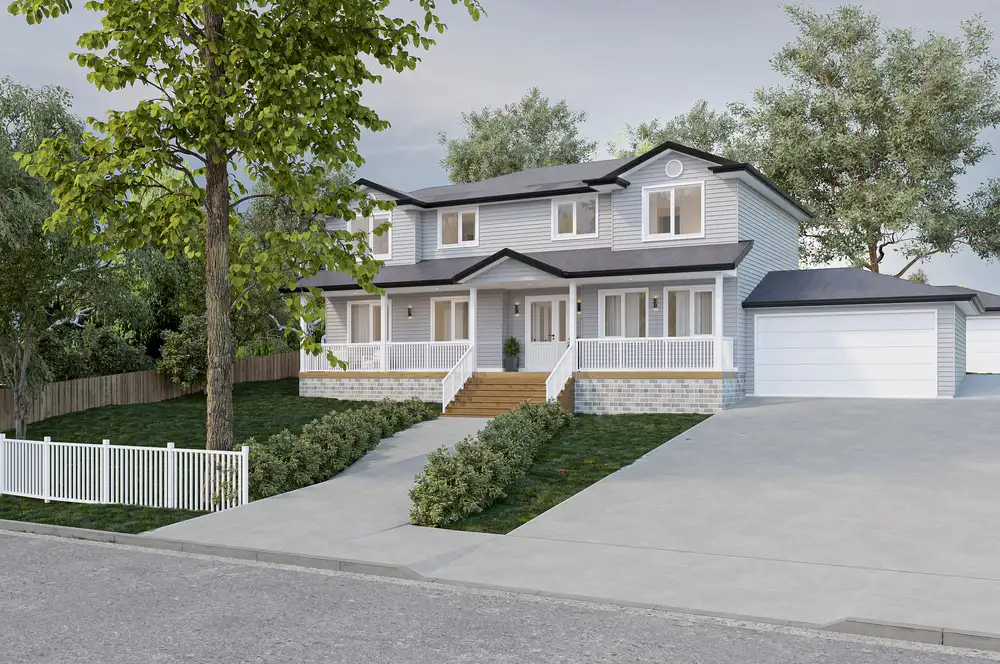
As climate change continues to make weather patterns more unpredictable, the demand for homes that can withstand extreme conditions is growing. Enter the Passive House—a modern design that focuses on energy efficiency and comfort. You might wonder: Can Passive Houses survive extreme weather? The answer is yes, and they do it in ways that traditional homes simply can't match. In this article, we’ll explore how Passive Houses keep homeowners comfortable year-round, even in the face of harsh weather conditions, and how a Passive House Company like Marvel Homes is leading the way in Green Home Development.
What is a Passive House?
Before we dive into how Passive Houses handle extreme weather, let’s first understand what makes a home "Passive." A Passive House is a highly energy-efficient building standard that minimizes energy consumption for heating and cooling. This is achieved through meticulous design, including super-insulated walls, airtight construction, and high-performance windows. Passive Houses are designed to maintain a comfortable temperature inside, regardless of the temperature outside, all while using minimal energy.
The Key Features That Help Passive Houses Survive Extreme Weather
1. Super Insulation
One of the main reasons Passive Houses thrive in extreme weather conditions is their superior insulation. In a Passive House, the walls, roof, and floors are all highly insulated with materials that keep heat in during the winter and out during the summer. This prevents drastic temperature fluctuations inside, ensuring a consistent and comfortable environment.
In the case of extreme cold, Passive Houses use thick layers of insulation that protect against heat loss. On the flip side, in regions with intense heat, the insulation prevents the interior from overheating. By effectively reducing the need for active heating and cooling systems, Passive Houses offer incredible energy efficiency and comfort year-round.
2. Airtight Construction
Airtightness is another critical feature that helps Passive Houses maintain their stability during extreme weather. Homes built to Passive House standards use airtight membranes to seal gaps in the structure, preventing drafts and air leaks. This is especially important in both very cold and very hot climates.
During cold weather, airtightness prevents warm air from escaping the home, while in hot climates, it keeps the cool air inside and blocks hot, humid air from entering. This airtight seal is maintained without sacrificing ventilation, thanks to a heat recovery ventilation system (HRV) that constantly provides fresh air while preserving the temperature.
3. High-Performance Windows
Windows are often the weakest point in a home’s energy efficiency, especially in regions prone to extreme weather. In a Passive House, windows are not only triple-glazed but are also carefully positioned to optimize natural heating and cooling.
In colder climates, the windows help capture and retain solar energy, warming the home during the day. In warmer climates, the high-performance windows reduce the amount of solar heat entering the home, keeping the interior cool. Marvel Homes, a leading Passive Home builder, incorporates these high-performance windows to ensure that your home stays comfortable no matter the season.
4. Thermal Bridge-Free Construction
Thermal bridges are areas in a building where heat can escape or enter through materials that are not properly insulated. In traditional homes, these gaps often occur around doors, windows, or through materials like concrete and metal. Passive Houses are designed to eliminate thermal bridges, which significantly improves energy efficiency and comfort.
For extreme weather conditions, the absence of thermal bridges means that your home won’t experience cold spots or areas where heat is lost. This is especially important during winter storms or heatwaves, where one small gap in insulation could lead to temperature imbalances inside the house.
5. Solar Gain Management
Another unique feature of Passive Homes is their ability to manage solar gain. This means that the house is designed to maximize the benefits of sunlight during the colder months while minimizing unwanted heat gain in the warmer months.
Marvel Homes, a Passive House Company, carefully designs the layout of the house to ensure windows are strategically placed for optimal solar gain, while shading elements are used to block direct sunlight during the summer. This creates an efficient heating system in winter and a cool, comfortable environment in summer, making it easier to survive extreme weather conditions.
How Passive Houses Maintain Comfort Year-Round
1. Consistent Indoor Temperature
Because of the superior insulation, airtight construction, and controlled ventilation systems, the indoor temperature in a Passive House remains consistent year-round. This consistency is not only more comfortable but also healthier for residents, as it avoids the extreme temperature swings that are common in traditional homes.
In cold winters, the house remains warm without the need for a traditional heating system, while in hot summers, it stays cool without relying on air conditioning. Passive Houses achieve this by using energy-efficient passive solar heating and natural ventilation systems that maintain comfort without consuming excessive energy.
2. Reduced Reliance on External Energy Sources
One of the most appealing features of a Passive House is its ability to reduce or eliminate reliance on external energy sources. In extreme weather conditions, when power outages are more likely, Passive Houses can maintain comfort without being dependent on grid electricity.
Thanks to the airtight construction and superior insulation, these homes can retain warmth for several days during a cold snap and remain cool during a heatwave without running fans or air conditioners constantly. In many cases, a Passive House can even be supplemented with renewable energy sources like solar panels, making the home virtually energy-independent.
3. Better Air Quality
Maintaining good indoor air quality is essential for comfort and health, especially in extreme weather conditions when people tend to spend more time indoors. Passive Houses incorporate a heat recovery ventilation system (HRV) that ensures a constant supply of fresh air while minimizing heat loss.
In the winter, this system recovers the heat from the outgoing stale air and transfers it to the incoming fresh air, maintaining a comfortable temperature without wasting energy. In the summer, it helps to keep the indoor air cool and dry. This continuous airflow prevents humidity buildup and ensures the home remains comfortable, no matter the weather outside.
The Role of Marvel Homes in Green Home Development
When it comes to Green Home Development, Marvel Homes stands out as a leading Passive Home builder. Specializing in the design and construction of Passive Houses, Marvel Homes has helped countless homeowners build energy-efficient, sustainable homes that not only reduce energy bills but also enhance comfort during extreme weather events.
Marvel Homes focuses on using sustainable materials and energy-efficient technologies to construct homes that are built to last. Their attention to detail in insulation, airtightness, and ventilation ensures that your home will stay comfortable, regardless of the temperature outside.
Conclusion
In conclusion, Passive Houses are more than just energy-efficient buildings—they are resilient, comfortable, and designed to withstand extreme weather conditions. With features like super insulation, airtight construction, high-performance windows, and solar gain management, these homes provide consistent comfort throughout the year, even in the harshest climates.
Whether you’re looking to build a new home or retrofit an existing one, working with a trusted Passive House Company like Marvel Homes can help you create a space that offers unparalleled comfort and energy efficiency. So, if you're wondering whether a Passive House can survive extreme weather, the answer is a resounding yes—and it can do so while keeping you comfortable all year round.