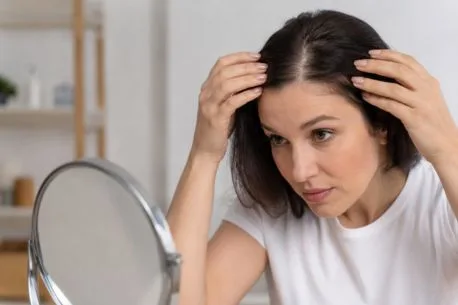
Thinning hair can feel like a quiet worry that grows louder every time you brush your hair or look in the mirror. Many women notice more strands on their pillow, a wider parting, or hair that simply will not grow past a certain length. It is a common problem, yet it often feels lonely because most conversations about hair loss focus on men. The truth is, women lose hair for many reasons, and there are real solutions available today.
This is exactly where hair restoration for women comes into the picture. Unlike old fashioned remedies that promise quick fixes, modern treatments are based on understanding why hair thins in the first place. Hormonal changes, stress, poor nutrition, ageing, and even genetics can all play a part. Once the cause is understood, the right treatment can support healthier, fuller looking hair over time.
Did You Know? Women can lose up to 100 strands of hair a day as part of the normal hair cycle. It only becomes a concern when shedding increases noticeably or when regrowth slows down, leaving visible thinning over weeks or months.
What Causes Thinning Hair in Women
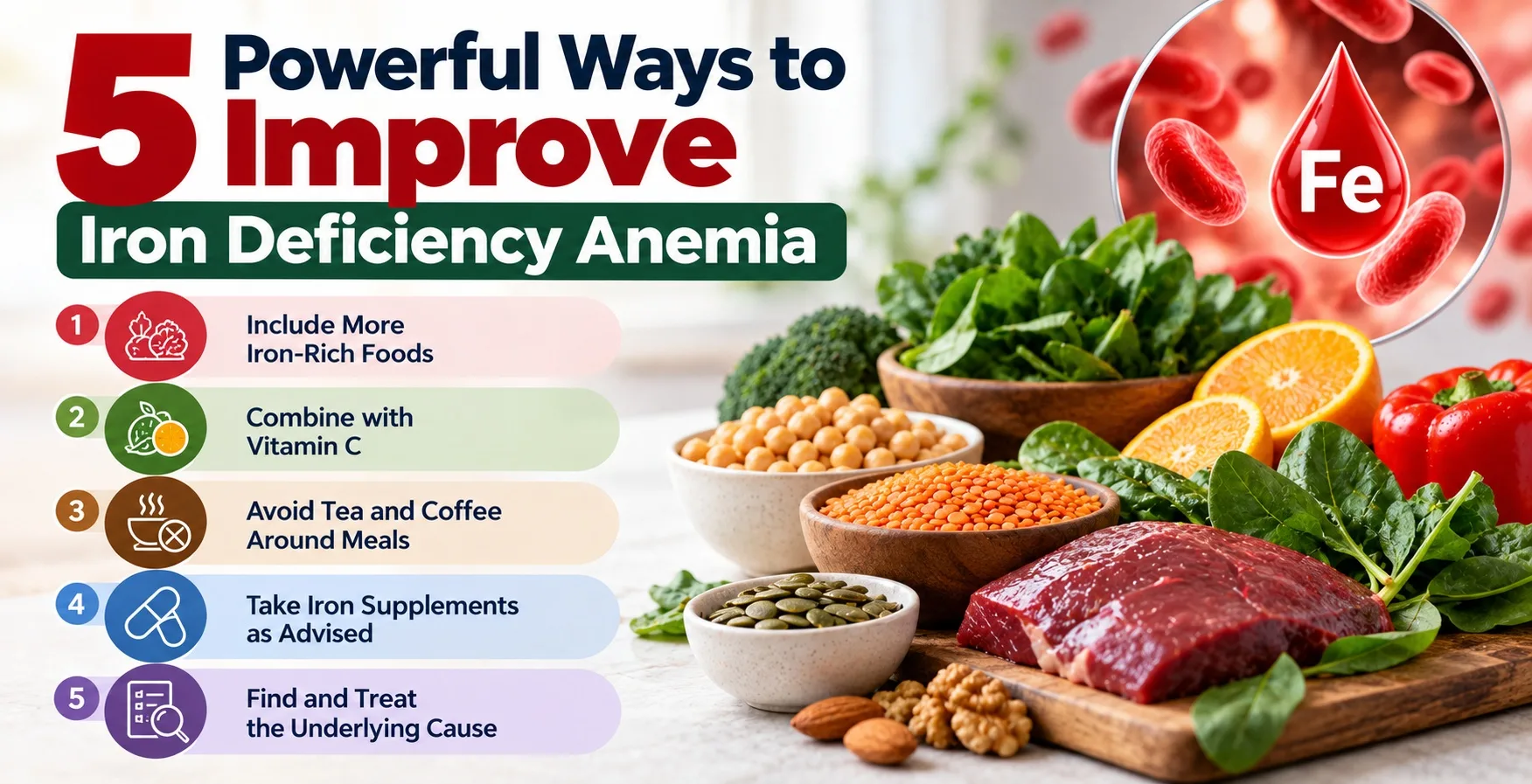
Hair thinning in women rarely has just one cause. It is often a mix of factors working together. Hormonal shifts during pregnancy, menopause, or thyroid issues can disrupt the natural hair growth cycle. Stress is another major trigger, as it can push hair follicles into a resting phase too early. Nutritional gaps, especially low iron or vitamin D, also weaken hair strands and slow regrowth.
Genetics matter too. Female pattern hair loss, sometimes called androgenetic alopecia, tends to show up as gradual widening of the parting rather than complete bald patches. This makes early diagnosis important, since treatment works best before too many follicles become dormant.
How Hair Restoration Works for Women
Hair restoration is not a single treatment. It is a combination of approaches tailored to the individual. For many women, this starts with identifying the root cause through proper scalp and blood tests. From there, treatments may include topical solutions that stimulate follicles, PRP therapy that uses your own blood plasma to encourage regrowth, or low level laser therapy that improves circulation to the scalp.
In more advanced cases, hair transplant procedures designed specifically for female hair patterns can restore density in thinning areas. These methods focus on natural looking results, respecting the way women's hair grows differently from men's.
At The Skin and Hair Clinic, treatment plans are built around the person, not just the symptom. A proper consultation looks at hormone levels, scalp health, lifestyle, and hair growth patterns before suggesting any treatment. This personalised approach is what makes a real difference compared to generic over the counter products.
Common Mistakes Women Make With Thinning Hair
Many women try several products at once, hoping something will work faster. This often backfires, as it becomes hard to tell what is actually helping or causing irritation. Another common mistake is waiting too long before seeking help, assuming thinning hair is just a normal part of ageing. While ageing does play a role, early action almost always leads to better results.
Skipping proper diagnosis is another issue. Treating hair loss without knowing the actual cause, whether hormonal, nutritional, or genetic, often wastes time and money on the wrong solution.
Why Professional Guidance Matters
Hair restoration for women works best when it is guided by professionals who understand female hair loss patterns. Hair follicles in women respond differently to treatment compared to men, and dosages or techniques that work for male pattern baldness are not always suitable for women.
Based on years of working with women experiencing different stages of hair thinning, one pattern stands out clearly. Those who get a proper scalp analysis early on tend to see better and faster improvement than those who try random treatments first. This is why expert evaluation, rather than guesswork, leads to more reliable outcomes.
Pro Tip
Track your hair shedding for two to three weeks using a simple count or photo comparison. This small step gives a clearer picture of whether thinning is increasing, which helps a specialist choose the right treatment faster.
What Results Can You Expect
Results vary depending on the cause and stage of hair loss, but most women notice visible improvement within three to six months of consistent treatment. Hair density improves gradually rather than overnight, and maintaining scalp health remains important even after visible results appear. Patience and consistency play a bigger role than any single product or procedure.
Ready to Take the Next Step
If thinning hair has been on your mind, you do not have to figure it out alone. A proper consultation can help identify exactly why your hair is thinning and what treatment suits your specific case. The Skin and Hair Clinic offers personalised assessments designed to give women clear answers and realistic solutions. Book a consultation today and take the first confident step toward fuller, healthier looking hair.
Frequently Asked Questions
Is hair restoration safe for women?
Yes, when done under proper medical guidance, treatments like PRP therapy, topical solutions, and female specific transplants are considered safe and effective.
At what stage of hair thinning should I see a specialist?
It is best to seek advice as soon as you notice increased shedding, a widening parting, or reduced hair volume, rather than waiting for visible bald patches.
Can hormonal hair loss be reversed?
In many cases, once the underlying hormonal imbalance is treated alongside targeted hair therapies, regrowth and improved density are possible.
How long does it take to see results from treatment?
Most women begin noticing changes within three to six months, though full results can take up to a year depending on the treatment used.
Does stress really cause hair thinning?
Yes, prolonged stress can push hair follicles into a resting phase, leading to noticeable shedding a few months after a stressful period.