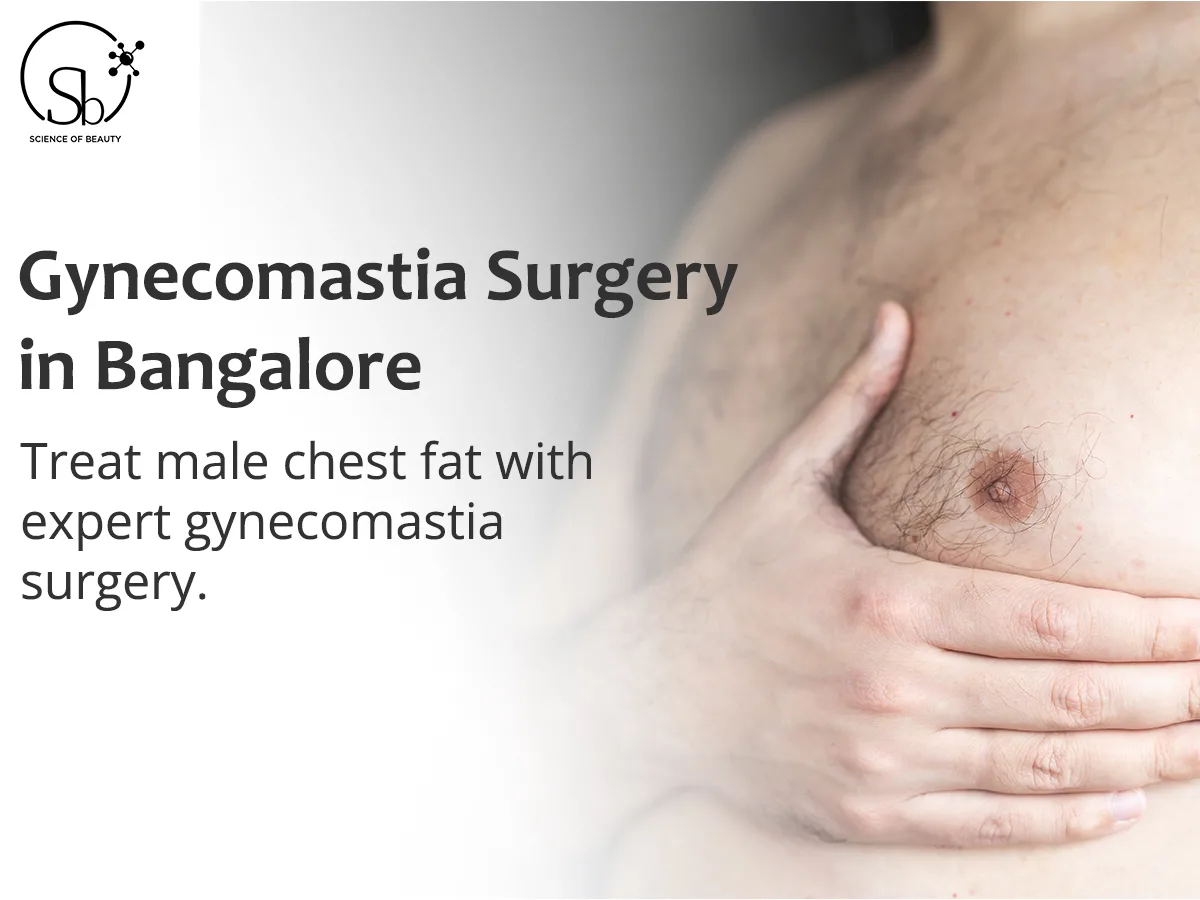
One of the biggest hesitations men have before Gynecomastia Surgery in Bangalore is the fear of a visible scar. It is a fair concern, especially for men who want to feel comfortable going shirtless or wearing fitted clothing. However, modern surgical techniques have made scarring far less noticeable than most people assume. With careful incision placement, advanced technology, and proper aftercare, surgeons can work towards achieving effective chest correction while keeping scars as discreet as possible.
Why Scarring Worries Are Common
Chest scars can feel more noticeable than scars in other areas of the body. This is particularly true for men who regularly participate in sports, swimming, or other activities where the chest may be exposed. The concern about visible scars can sometimes make men delay treatment, even when gynecomastia is affecting their confidence, comfort, or everyday life.
It is important to understand that every surgical procedure involving an incision can leave some form of scar. However, the final appearance of a scar depends on several factors, including the surgical technique used, incision location, skin type, healing response, and post-operative care.
How Modern Techniques Minimise Scarring
Advanced approaches to gynecomastia correction focus on using small, strategically positioned incisions whenever appropriate for the patient's condition.
- VASER liposuction can remove excess fatty tissue through tiny access points.
- Keyhole excision can help remove excess glandular tissue through a small incision near the areola.
- Incisions may be placed near the edge of the areola or within natural chest contours to make them less noticeable.
- In selected cases, access points may be only a few millimetres wide.
- The surgical approach is customised according to the amount and type of excess tissue present.
The combination of these techniques can allow effective correction while reducing the visibility of surgical marks. However, the most suitable approach depends on whether the enlargement is primarily caused by excess fat, glandular tissue, or a combination of both.
What to Realistically Expect
While modern techniques can minimise scarring, it is important to have realistic expectations about the healing process.
- Scars are usually small and positioned in relatively inconspicuous areas.
- They may initially appear darker, redder, or more prominent after surgery.
- With proper aftercare, scars generally soften and fade over time.
- Complete scar maturation can take several months or longer.
- Patients with significant skin excess may require a slightly longer incision to achieve a satisfactory contour.
Following your surgeon's instructions regarding wound care, compression garments, physical activity, and follow-up appointments can support proper healing. Avoiding unnecessary tension on healing incisions is also important during the recovery period.
Why Surgical Skill Matters Here
Since incision placement and surgical technique can directly influence the final appearance of scars, the experience of the surgeon is an important consideration. An experienced Cosmetic Surgeon in Hyderabad can assess your individual chest structure, skin quality, tissue composition, and degree of gynecomastia before recommending the most appropriate approach.
The objective is not simply to remove excess tissue but also to create a balanced and natural-looking chest contour while keeping surgical marks as discreet as reasonably possible.
Final Thoughts
Scarring is a common concern before gynecomastia surgery, but it does not necessarily mean that you will be left with a highly visible mark. Modern techniques, careful incision placement, and appropriate post-operative care can help minimise the appearance of scars while achieving effective chest contouring.
Dr. Sandhya Balasubramanyan, MS (General Surgery), MCh (Plastic Surgery), with over 20 years of experience, focuses on discreet, natural-looking results using advanced, scar-minimising techniques. A personal consultation can help determine the most suitable approach based on your individual condition and treatment goals. Book your consultation today.