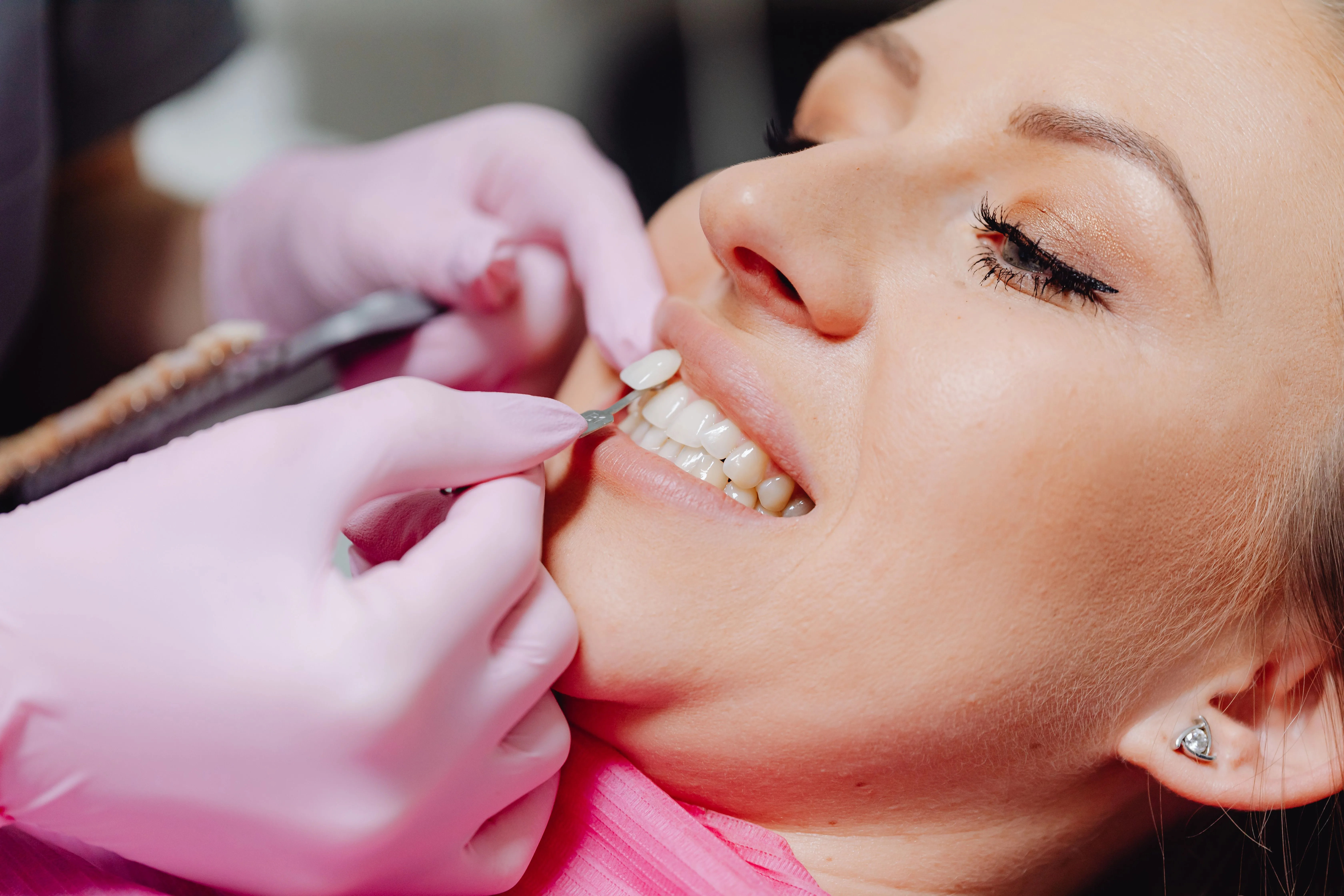
Crowded teeth and gaps between teeth are common alignment concerns. They can affect the appearance of a smile and, in some cases, make brushing and flossing more difficult. Clear aligners offer an alternative to traditional braces for many people who want to improve their tooth alignment without noticeable brackets and wires.
However, clear aligners are not suitable for every orthodontic problem. The results depend on the position of the teeth, the severity of the alignment issue, and the overall condition of the bite.
1. How Clear Aligners Work
Clear aligners are custom-made trays designed to move teeth gradually into planned positions. Each set applies controlled pressure to specific teeth. Patients usually progress through a series of trays as their teeth move throughout treatment.
For the treatment to work as intended, aligners generally need to be worn for most of the day, following the dentist’s instructions. They are removed for meals, drinks other than water, brushing, and flossing.
2. Can Clear Aligners Correct Crowded Teeth?
Crowding occurs when there is not enough space in the jaw for teeth to fit into proper alignment. This may cause teeth to overlap, rotate, or sit unevenly.
Clear aligners can correct many mild to moderate crowding cases. Depending on the treatment plan, a dentist may use carefully planned tooth movements, attachments, or other techniques to help guide teeth into better positions.
More severe crowding may require additional treatment or a different orthodontic approach. An assessment helps determine whether aligners can achieve the desired movement safely and predictably.
3. Can Clear Aligners Close Gaps Between Teeth?
Clear aligners can also help close spaces between teeth. These gaps may occur naturally, develop because of shifting teeth, or result from differences between tooth size and available space.
Treatment planning is important because closing a gap involves more than moving two teeth closer together. The dentist must consider the surrounding teeth, gum health, bite, and the reason the space developed. If a gap is related to gum disease or another oral health concern, that issue may need attention before orthodontic treatment begins.
4. What Factors Affect Treatment Results?
Several factors influence whether clear aligners can correct crowding or gaps effectively:
- Severity of the alignment issue: Mild and moderate cases may be easier to treat than complex tooth movements.
- Bite concerns: Significant bite problems may require a different or more comprehensive approach.
- Consistency: Wearing aligners for the recommended number of hours each day helps keep treatment on schedule.
- Oral health: Healthy teeth and gums provide a better foundation for orthodontic treatment.
- Treatment planning: An individualized plan helps establish realistic goals and the expected duration.
People considering treatment can review the basics of clear aligner treatment and discuss whether it suits their specific alignment concerns.
5. Clear Aligners vs. Traditional Braces
Both clear aligners and traditional braces can improve tooth alignment, but they work differently. Aligners are removable and generally less noticeable, while braces use brackets and wires that remain attached to the teeth during treatment.
Removable aligners can make brushing and flossing more convenient, but they require discipline. Braces do not depend on the patient remembering to put them back in after meals, although cleaning around brackets and wires can take extra care.
The right option depends on the complexity of the case, lifestyle, oral hygiene, and professional recommendations. Understanding how clear aligners compare with traditional braces can help patients prepare questions for a consultation.
6. What to Expect Before Starting Treatment
An orthodontic assessment typically involves examining the teeth, gums, and bite. The dentist may take digital scans, photographs, or X-rays when appropriate to evaluate tooth positions and plan treatment.
Before starting, patients should ask which movements are realistic, how long treatment may take, whether attachments or additional procedures may be needed, and what retainers will be required afterward. These details help set expectations and support informed decisions.
Frequently Asked Questions
1. Can clear aligners fix overlapping teeth?
Yes. Clear aligners can correct many cases of overlapping teeth, especially when crowding is mild to moderate. More complex cases need an individual assessment to determine the most suitable treatment.
2. Can clear aligners close a small gap between front teeth?
Yes. Clear aligners can often close small gaps between front teeth. The dentist should first check why the gap exists and whether the teeth and gums are healthy.
3. How long does it take to correct crowded teeth with clear aligners?
Treatment time varies according to the severity of crowding, the movements required, and how consistently the aligners are worn. A dentist can provide an estimated timeline after examining the teeth.
4. Do clear aligners work for severe crowding?
They may not be the best option for every severe case. Some patients need additional orthodontic techniques or traditional braces to achieve the required tooth movements.
5. Do I need to wear clear aligners all day?
Clear aligners are usually worn for most of the day, often around 20 to 22 hours, but the exact schedule depends on the prescribed treatment plan. They should be removed for meals and cleaning unless the treating professional advises otherwise.
6. Can teeth develop gaps again after aligner treatment?
Yes. Teeth can shift after orthodontic treatment if retainers are not worn as directed. Following the retention plan helps maintain the results.
7. Are clear aligners better than braces for crowded teeth?
Neither option is best for everyone. Clear aligners may suit many mild to moderate cases, while braces can be more appropriate for certain complex movements. A dental professional can explain the advantages and limitations of each option.
Conclusion
Clear aligners can improve many cases of crowded teeth and gaps, but their suitability depends on individual alignment needs and bite conditions. A professional assessment can clarify the available options, likely treatment timeline, and steps needed to maintain the results.