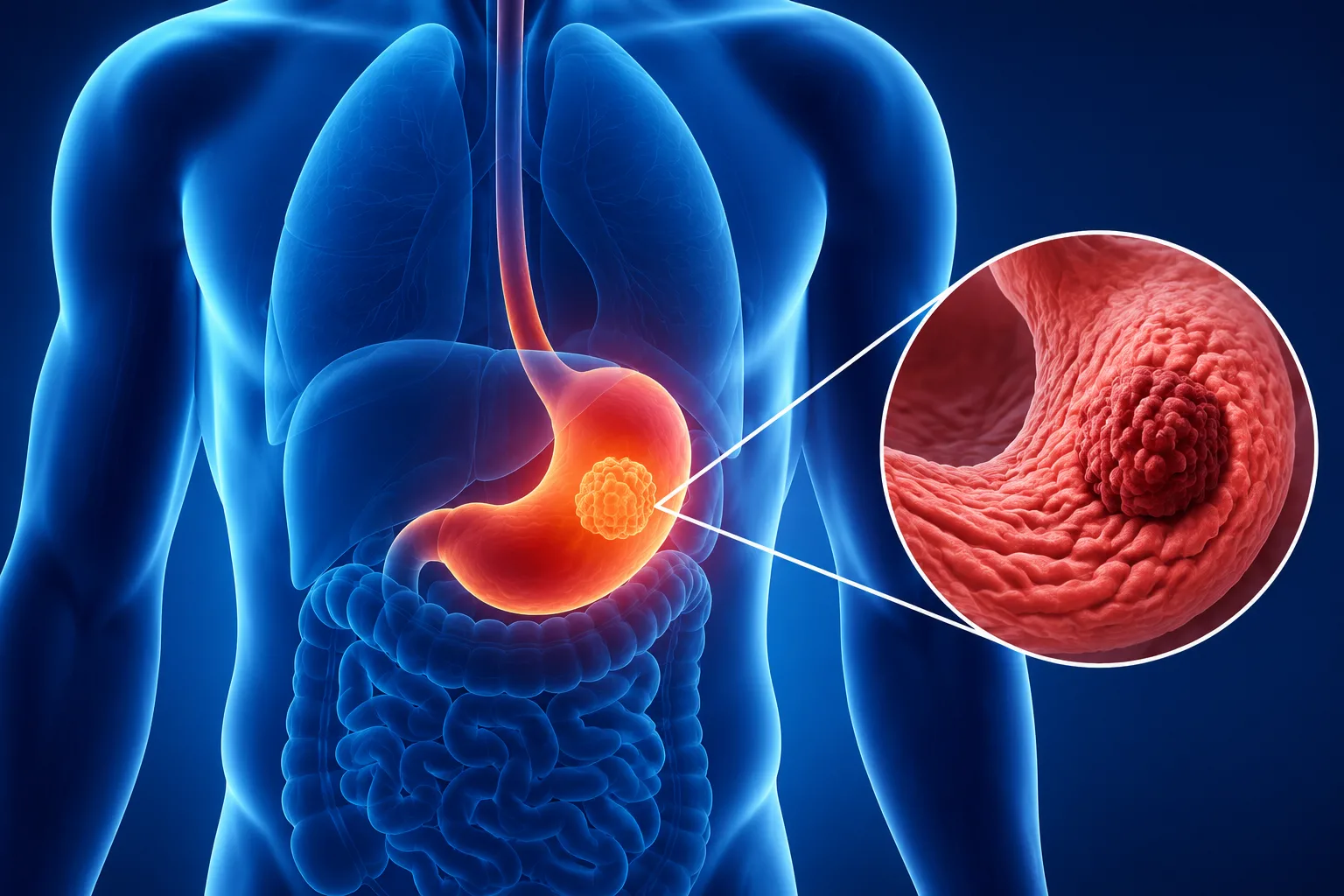
Yes, bariatric surgery can help people lose significant weight and maintain it for many years. It is one of the most effective medical treatments for people struggling with obesity, especially when diet, exercise and other weight loss methods have not provided lasting results.
However, bariatric surgery is not a magic solution or a guarantee of permanent weight loss. Long-term success depends on choosing the right procedure, following a healthy diet, staying physically active and attending regular medical check-ups.
For people struggling with obesity, bariatric surgery for weight loss can improve overall health and reduce the risk of conditions such as type 2 diabetes, high blood pressure, sleep apnoea and fatty liver disease.
Dr. Samrat Jankar, an experienced Surgical Gastroenterologist in Pune, provides advanced surgical care for patients who need specialised gastrointestinal and weight loss treatment. With 17+ years of experience, 3,000+ laparoscopic surgeries and 20,000+ happy patients, he focuses on safe surgical care and personalised treatment planning.
What Is Bariatric Surgery?
Bariatric surgery, also known as weight loss surgery or metabolic surgery, is a surgical treatment that helps people manage obesity. It changes the stomach size or digestive process to help control food intake and improve the body's metabolism.
After surgery, patients generally feel full after eating smaller portions. Some procedures also change how the body absorbs nutrients and regulates hunger-related hormones.
Bariatric surgery is usually recommended for people with obesity who have not achieved sufficient weight loss through non-surgical methods.
It is important to understand that the main goal is not just reducing body weight. It is also to improve overall health and manage obesity-related medical conditions.
Can Bariatric Surgery Help You Lose Weight Permanently?
Yes, bariatric surgery can support long-term weight loss. Many patients maintain significant weight reduction for several years after surgery.
However, permanent weight loss cannot be guaranteed. Some patients may regain weight if they return to unhealthy eating habits, avoid physical activity or miss regular follow-up appointments.
The surgery helps by making weight management easier. It reduces hunger, controls food intake and supports metabolic changes. But patients must follow the recommended lifestyle changes to maintain the results.
Long-term success depends on:
- Following a balanced and protein-rich diet.
- Eating small portions as advised by the dietitian.
- Avoiding frequent consumption of sugary and high-calorie foods.
- Exercising regularly after medical clearance.
- Taking prescribed vitamins and mineral supplements.
- Attending regular follow-up appointments.
- Maintaining healthy sleep and lifestyle habits.
Bariatric surgery should be considered a long-term treatment for obesity, not a shortcut to quick weight loss.
How Does Bariatric Surgery Help With Weight Loss?
Bariatric surgery works through different mechanisms depending on the procedure.
1. Reduces stomach capacity: Certain procedures reduce the size of the stomach. This helps patients feel full after eating smaller quantities of food.
2. Controls hunger: Changes in digestive hormones can help reduce hunger and improve appetite control.
3. Supports metabolic health: Some procedures improve blood sugar regulation and may help manage type 2 diabetes.
4. Encourages healthier eating habits: Patients learn to eat smaller portions, choose nutritious foods and follow structured meal timings.
Together, these changes support weight loss and help patients maintain healthier body weight over time.
What Are the Different Types of Bariatric Surgery?
The choice of bariatric procedure depends on the patient's BMI, medical history, eating habits, health conditions and weight loss goals.
Some commonly performed weight loss surgeries include:
1. Sleeve Gastrectomy
Sleeve gastrectomy is a commonly performed bariatric procedure. During this surgery, a large portion of the stomach is removed, leaving behind a smaller, tube-shaped stomach.
This helps patients eat smaller portions and reduces the production of certain hunger-related hormones.
It is generally performed using minimally invasive laparoscopic techniques.
2. Roux-en-Y Gastric Bypass
Gastric bypass surgery involves creating a small stomach pouch and connecting it to a part of the small intestine.
This procedure reduces food intake and changes the way nutrients are absorbed. It can also improve certain metabolic conditions, including type 2 diabetes.
3. Mini Gastric Bypass
Mini gastric bypass, also known as One Anastomosis Gastric Bypass, creates a smaller stomach pouch and connects it to the small intestine through a single connection.
It helps reduce food intake and changes nutrient absorption. Regular nutritional monitoring is important after this procedure.
Comparison of Common Bariatric Procedures
ProcedureHow It WorksMain BenefitSleeve GastrectomyReduces stomach sizeControls food intake and hungerRoux-en-Y Gastric BypassCreates a small stomach pouch and bypasses part of the intestineSupports weight loss and metabolic improvementMini Gastric BypassCreates a small stomach pouch with one intestinal connectionReduces food intake and changes nutrient absorptionThe best procedure is different for every patient. A detailed consultation with an experienced surgeon helps determine the most suitable option.
Who Is the Right Candidate for Bariatric Surgery?
Bariatric surgery is not suitable for everyone who wants to lose weight. It is generally considered for people with obesity who may benefit from surgical treatment.
Factors considered during evaluation include:
- Body Mass Index (BMI).
- History of unsuccessful weight loss attempts.
- Type 2 diabetes or high blood pressure.
- Sleep apnoea and fatty liver disease.
- Overall physical and medical condition.
- Readiness to follow long-term lifestyle changes.
International ASMBS and IFSO guidelines recommend metabolic and bariatric surgery for suitable individuals with a BMI of 35 or higher. Surgery may also be considered for people with a BMI of 30–34.9 who have metabolic disease or have not achieved lasting results with non-surgical treatment.
For Indian and other Asian populations, lower BMI thresholds may be relevant because obesity-related health risks can develop at lower BMI levels.
Therefore, eligibility should be decided through an individual medical assessment rather than BMI alone.
What Are the Benefits of Bariatric Surgery?
Bariatric surgery offers several health benefits beyond weight reduction.
Some important benefits include:
- Significant and sustained weight loss.
- Better blood sugar control in many patients with type 2 diabetes.
- Improved blood pressure and cholesterol levels.
- Reduced symptoms of sleep apnoea.
- Improvement in fatty liver disease in suitable patients.
- Reduced pressure on the knees and joints.
- Better mobility and physical activity.
- Improved confidence and quality of life.
The results vary from patient to patient. The amount of weight loss depends on the procedure, starting weight, medical condition and lifestyle after surgery.
What Are the Risks and Possible Side Effects?
Like any major operation, bariatric surgery has certain risks. Patients should understand these risks before making a decision.
Possible complications include:
- Bleeding or infection.
- Blood clots.
- Leakage from surgical connections or staple lines.
- Acid reflux or digestive discomfort.
- Vomiting or difficulty tolerating certain foods.
- Vitamin and mineral deficiencies.
- Anaemia due to nutritional deficiencies.
- Weight regain over time.
Some complications may require additional treatment or another procedure.
Following the surgeon's instructions, taking prescribed supplements and attending regular check-ups can help reduce the risk of long-term nutritional problems.
How Can You Maintain Weight Loss After Bariatric Surgery?
Maintaining weight loss requires consistent lifestyle changes. Surgery creates an opportunity for better weight management, but daily habits play an important role in long-term results.
Here are some practical steps patients should follow:
1. Follow a structured diet: Start with the recommended liquid and soft-food stages. Gradually introduce solid foods according to your dietitian's instructions.
2. Eat protein-rich foods: Include suitable sources of protein to support muscle health and recovery.
3. Avoid unhealthy eating habits: Limit sugary drinks, fried foods, processed snacks and high-calorie foods.
4. Stay physically active: Begin with walking and gradually increase exercise after your surgeon gives approval.
5. Take supplements regularly: Follow the prescribed vitamin and mineral supplement schedule.
6. Attend follow-up appointments: Regular monitoring helps identify nutritional deficiencies and changes in weight early.
7. Maintain a healthy routine: Adequate sleep, stress management and regular meal timings also support long-term weight management.
If weight regain occurs, consult your surgeon instead of trying extreme diets or unverified weight loss products.
How to Choose the Right Bariatric Surgeon in Pune?
Choosing an experienced surgeon is an important step when considering weight loss surgery. The right specialist will assess your health, explain the available procedures and guide you through recovery and long-term follow-up.
When selecting a Bariatric Surgeon in Pune, consider the following:
- Specialisation and experience in gastrointestinal surgery.
- Experience with laparoscopic and bariatric procedures.
- Understanding of obesity-related health conditions.
- Availability of nutritional and post-surgery guidance.
- Clear communication about surgical benefits and risks.
- Access to regular follow-up care.
Dr. Samrat Jankar is an experienced Surgical Gastroenterologist in Pune and Director and Department Head of GI Surgery at Kaizen Gastro Care, Wakad.
With 17+ years of experience, 3,000+ laparoscopic surgeries and 20,000+ happy patients, Dr. Samrat Jankar focuses on advanced gastrointestinal surgical care and personalised treatment planning.
Patients looking for Weight Loss Treatment in Pune can consult a specialist to understand whether medical weight management or bariatric surgery is appropriate for their condition.
Frequently Asked Questions (FAQs)
1. Is bariatric surgery a permanent solution for obesity?
Bariatric surgery can provide long-term weight loss and help manage obesity-related health conditions. However, results are not guaranteed to be permanent. Healthy eating, exercise and regular medical follow-up are essential.
2. Can weight come back after bariatric surgery?
Yes. Some patients experience weight regain after surgery. This can happen due to unhealthy eating habits, reduced physical activity or other medical factors. Early consultation can help identify the cause and guide treatment.
3. Which bariatric surgery is best for long-term weight loss?
Sleeve gastrectomy, Roux-en-Y gastric bypass and mini gastric bypass are commonly performed procedures. The right option depends on your BMI, medical history and health goals.
4. Is bariatric surgery safe?
Bariatric surgery is generally safe for appropriately selected patients when performed by an experienced surgical team. However, it carries risks like bleeding, infection, leakage and nutritional deficiencies. Proper evaluation and follow-up are important.
5. How long does it take to recover from bariatric surgery?
Recovery depends on the type of procedure and the patient's overall health. Many patients return to routine activities within a few weeks, but diet progression and physical activity must follow the surgeon's advice.
6. Can bariatric surgery help control diabetes?
Yes. Certain bariatric procedures can improve blood sugar control and may lead to diabetes remission in some patients. Results depend on the duration and severity of diabetes and individual health factors.
Conclusion
Bariatric surgery can be an effective long-term treatment for obesity. It helps patients reduce excess weight, improve metabolic health and manage several obesity-related conditions. However, surgery alone cannot guarantee permanent results.
Choosing the right procedure, consulting an experienced surgeon and following a healthy lifestyle are essential for long-term success.
If you are struggling with obesity and looking for Weight Loss Treatment in Pune, consult Dr. Samrat Jankar at Kaizen Gastro Care, Wakad, Pune. A detailed evaluation can help you understand your treatment options and decide whether bariatric surgery is right for you.
Consultation Details
Dr. Samrat Jankar
Director & Department Head – GI Surgery
Kaizen Gastro Care, Wakad, Pune, Maharashtra 411057
- Phone: 079041 39064
- Email: [email protected]
- Website: https://www.drsamratjankar.com/