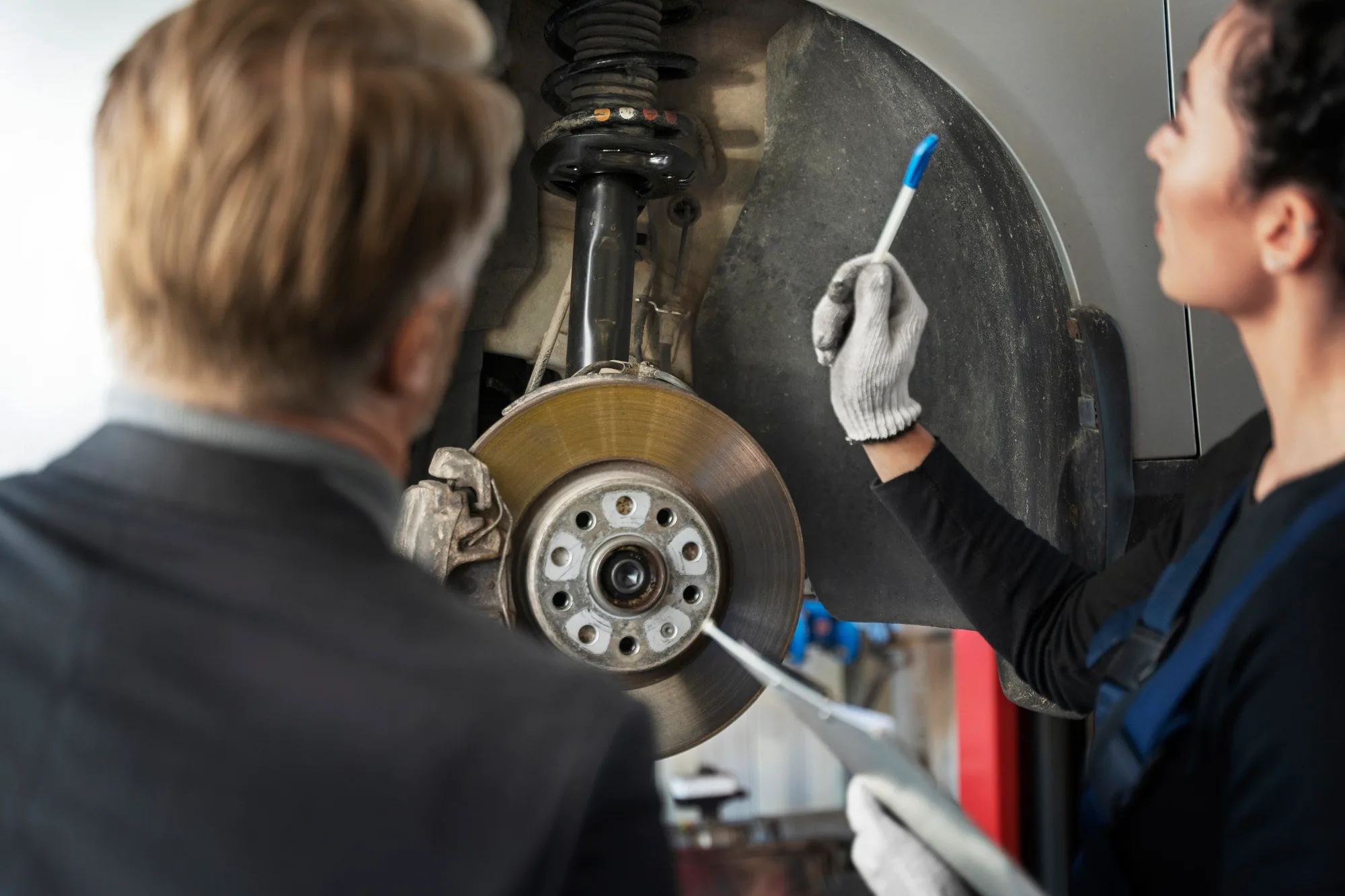
Restoring a classic Cadillac from the 1950s, 1960s, or 1970s is about more than reviving a vintage luxury vehicle—it is about preserving a piece of American automotive history. Whether you own a 1959 Series 62, a 1967 DeVille, or a 1974 Eldorado, one of the most important systems to rebuild during restoration is the suspension. Properly restored Cadillac Suspension Parts ensure your classic rides with the smooth comfort Cadillac was famous for while maintaining safety and performance on modern roads.
Many classic Cadillac owners focus heavily on paint, chrome, and interiors, but suspension components often get overlooked until drivability issues become obvious. Old bushings crack, springs sag, shocks fail, and steering components wear out after decades of use. If you are serious about building a dependable and authentic classic Cadillac, restoring the suspension system should be a top priority.
In this complete restoration guide, we will cover everything you need to know about sourcing, inspecting, replacing, and maintaining Cadillac Suspension Parts for 1950s–1970s models.
Why Suspension Restoration Matters in Classic Cadillacs
Classic Cadillacs were engineered to deliver unmatched ride comfort. Their large frames, advanced suspension geometry, and luxury tuning gave drivers the “floating” sensation Cadillac became famous for. However, time takes a toll on even the best-built systems.
Common issues caused by worn suspension include:
- Excessive body roll
- Uneven ride height
- Poor handling and steering response
- Tire wear
- Brake instability
- Suspension noise and vibration
Replacing old Cadillac Suspension Parts restores factory ride quality and improves both safety and reliability.
Key Cadillac Suspension Components to Restore
When rebuilding the suspension on a classic Cadillac, it is important to inspect every related component. Replacing only one worn part often leaves underlying issues unresolved.
1. Control Arms
Control arms connect the suspension to the frame and allow wheel movement. On older Cadillacs, bushings and ball joints in the control arms often wear out after decades.
Signs of failure include:
- Clunking over bumps
- Uneven tire wear
- Steering wander
- Loose front-end feel
High-quality replacement Cadillac Suspension Parts should include properly fitted bushings and durable ball joints.
2. Coil Springs
Cadillacs from the 1950s–1970s relied heavily on large coil springs for their iconic smooth ride. Over time, springs lose tension and sag.
Replace springs if you notice:
- Front or rear sagging
- Uneven ride height
- Bottoming out over bumps
- Poor handling during turns
Correct spring replacement is essential when restoring original ride height.
3. Shock Absorbers
Shock absorbers control suspension movement and stabilize the vehicle.
Worn shocks may cause:
- Excessive bouncing
- Nose diving during braking
- Rear squat during acceleration
- Poor cornering control
Upgrading old shocks with modern equivalents can improve ride quality while maintaining factory comfort.
4. Ball Joints
Ball joints allow steering and suspension articulation.
Damaged ball joints create:
- Steering looseness
- Suspension clunks
- Uneven tire wear
- Dangerous wheel movement
Ball joints are among the most critical Cadillac Suspension Parts to replace during restoration.
5. Tie Rod Ends and Steering Linkage
Steering components directly affect suspension responsiveness.
Inspect for:
- Excessive play
- Torn dust boots
- Rust or binding
- Wandering steering
Replacing worn tie rods restores accurate steering feel.
6. Bushings
Rubber bushings isolate road vibration and reduce metal-to-metal contact.
Over time they crack, dry out, and fail.
Important bushings include:
- Control arm bushings
- Sway bar bushings
- Leaf spring bushings
- Body mount bushings
Fresh bushings dramatically improve ride refinement.
7. Sway Bars and Links
Sway bars reduce body roll and improve cornering stability.
Though not always prioritized in restoration, replacing worn sway bar components can significantly improve drivability.
Model-Specific Suspension Considerations (1950s–1970s Cadillacs)
Different Cadillac generations used unique suspension designs. Knowing your model’s specific setup helps ensure proper restoration.
1950s Cadillac Suspension Systems
1950s Cadillacs featured:
- Heavy-duty front coil spring suspensions
- Large drum brake-compatible geometry
- Early luxury ride tuning
Challenges include:
- Hard-to-find original bushings
- Obsolete steering linkage components
- Sagging front springs
Because of limited OEM inventory, working with an experienced Antique Cadillac Parts Dealer is often necessary.
1960s Cadillac Suspension Systems
1960s Cadillacs improved handling and ride comfort with:
- Refined control arm geometry
- Improved steering systems
- Larger anti-roll bars
Popular restoration models include:
- 1963 Coupe DeVille
- 1965 Fleetwood
- 1967 Eldorado
This era has better aftermarket support for Cadillac Suspension Parts.
1970s Cadillac Suspension Systems
1970s models added:
- Heavier frames
- More emissions-related weight
- Softer suspension tuning
- Front-wheel-drive in Eldorado
Special care is needed to source correct suspension parts for heavier late-1970s vehicles.
OEM vs Reproduction Cadillac Suspension Parts
Choosing between original OEM and reproduction parts is a major decision during restoration.
OEM/NOS Parts
Advantages:
- Factory authenticity
- Exact fitment
- Ideal for concours restorations
Disadvantages:
- Expensive
- Limited availability
- Rubber components may still degrade with age
Reproduction Parts
Advantages:
- More affordable
- Easier to source
- Modern materials often outperform originals
Disadvantages:
- Quality varies by manufacturer
- Some fitment adjustments may be needed
A trusted Antique Cadillac Parts Dealer can help determine which option best fits your project.
How to Inspect Your Cadillac Suspension Before Restoration
Before ordering Cadillac Suspension Parts, thoroughly inspect the system.
Inspection Checklist
- Check ride height at all four corners
- Inspect shocks for leaks
- Examine bushings for cracks
- Test ball joint play
- Check tie rod looseness
- Inspect springs for sagging
- Evaluate sway bar mounts
- Look for frame rust near suspension mounts
Document everything before disassembly.
Restoration Tips for Best Results
Replace Components in Complete Sets
Never replace just one shock or spring. Always do:
- Both front shocks
- Both rear shocks
- Spring pairs
- Control arm bushings in complete sets
Align the Vehicle After Suspension Work
After replacing Cadillac Suspension Parts, a professional alignment is mandatory.
Alignment ensures:
- Proper tire wear
- Straight tracking
- Improved handling
- Maximum suspension lifespan
Upgrade Where Appropriate
For drivers who want modern performance with classic comfort:
Consider:
- Gas-charged shocks
- Polyurethane bushings (if acceptable for build goals)
- Heavy-duty sway bars
- Performance alignment settings
Where to Buy Quality Cadillac Suspension Parts
Choosing the right supplier matters as much as choosing the right parts.
For dependable fitment and authentic restoration inventory, many enthusiasts trust Caddy Daddy – Vintage and Antique Cadillac Parts Dealer for classic Cadillac restoration components.
As a recognized Antique Cadillac Parts Dealer, Caddy Daddy offers:
- Suspension rebuild kits
- Springs and shocks
- Steering linkage
- Bushings and mounts
- Rare vintage Cadillac hardware
Working with a knowledgeable Antique Cadillac Parts Dealer helps avoid incorrect parts and restoration delays.
Common Restoration Mistakes to Avoid
Buying Cheap Low-Quality Parts
Budget suspension parts may save money initially but often fail quickly.
Ignoring Frame and Mounting Points
Suspension performance depends on solid mounting locations.
Inspect:
- Crossmembers
- Spring perches
- Shock towers
- Control arm brackets
Mixing Old and New Components
Installing new shocks with old springs or fresh bushings with worn ball joints creates imbalance.
A complete system restoration provides the best results.
Maintenance After Restoration
Once your suspension is rebuilt:
Follow These Maintenance Tips
- Inspect annually
- Lubricate grease fittings regularly
- Rotate tires every 5,000 miles
- Check alignment yearly
- Replace shocks every 40,000–50,000 miles
Maintaining restored Cadillac Suspension Parts preserves ride quality long term.
Why Suspension Restoration Increases Classic Cadillac Value
Collectors and buyers highly value mechanically sound restorations.
Benefits include:
- Higher resale value
- Better driving experience
- Safer operation
- Improved show judging scores
- Greater reliability
A fully documented suspension rebuild using premium Cadillac Suspension Parts is a strong selling point.
Final Thoughts
Restoring the suspension on a 1950s–1970s Cadillac is one of the most rewarding upgrades you can make during a classic car build. Properly rebuilt Cadillac Suspension Parts transform an aging project into the smooth-riding luxury machine Cadillac intended it to be.
From control arms and springs to bushings and steering components, every part plays a vital role in ride comfort, safety, and authenticity. Whether you are completing a concours restoration or building a dependable weekend cruiser, investing in high-quality components is essential.
For the best results, always source from a reputable Antique Cadillac Parts Dealer who understands the complexities of vintage Cadillac restoration. Enthusiasts nationwide trust Caddy Daddy – Vintage and Antique Cadillac Parts Dealer for authentic, high-quality parts and expert support.
With the right Cadillac Suspension Parts, your classic Cadillac can glide down the road just as smoothly as it did decades ago.