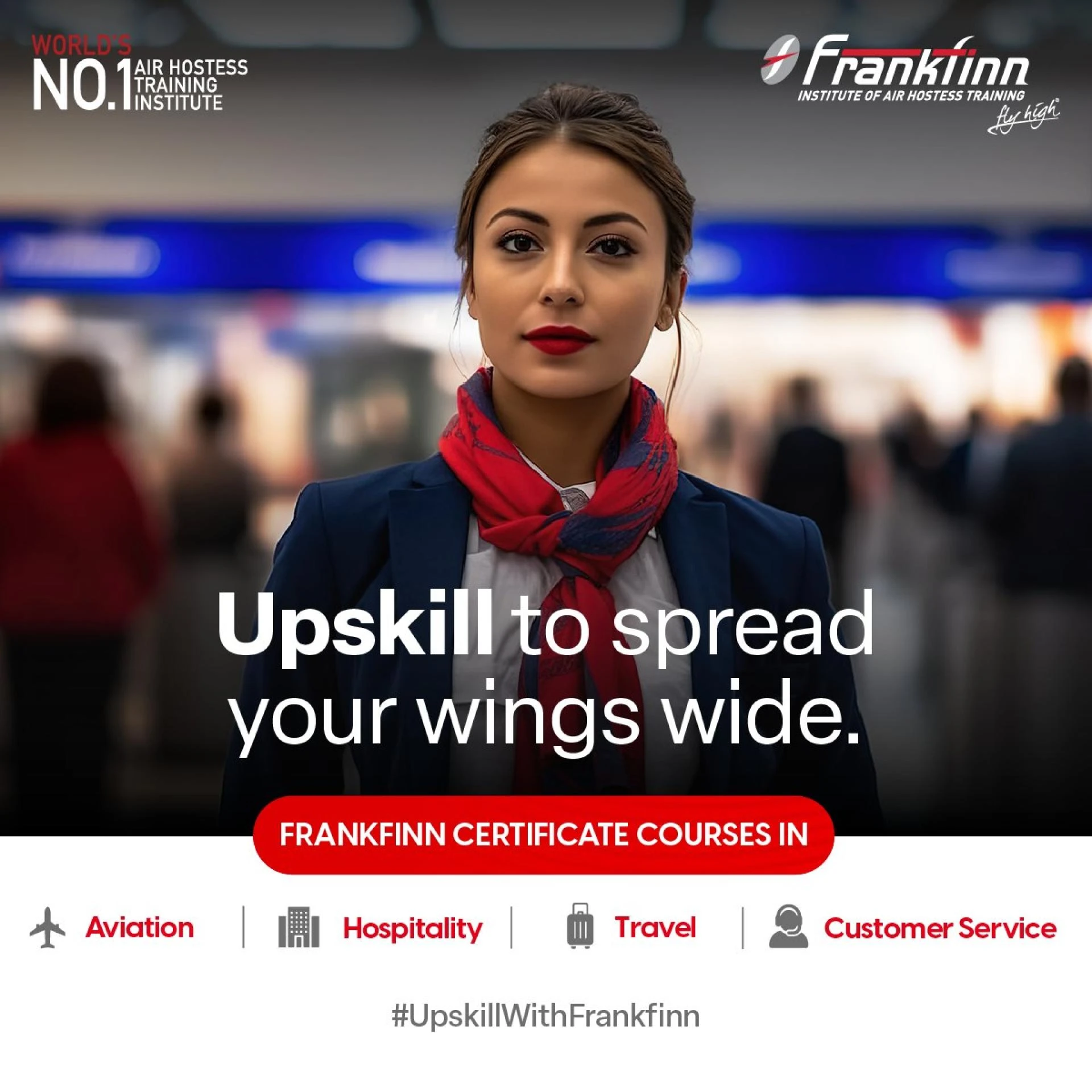
A cabin crew career is often perceived as glamorous and exciting, as it comes with opportunities for world travel. Beneath the polished look and warm smiles, flight attendants are professionals trained in safety and precise customer service skills, as well as managing emergencies that may occur during the flight. With the necessary skills to thrive in the aviation sector, a cabin crew course is aimed at students. Their focus is on building the skills as well as the experience for the job, which is bound to be rewarding and challenging.
The Importance of Cabin Crew Training
A cabin crew training is much more than just serving meals or greeting passengers. It’s a complete training package in aviation safety skill development, communication, crisis management, customer relations, and hospitality. For airlines, it is imperative for them and their personnel to be on the crew trained to take on emergencies and assist passengers during the flight. It is for this reason that pursuing a certified cabin crew course becomes the first step in building a reliable base for pursuing a career in that domain.
Key Skills Taught in Cabin Crew Courses
The most important skills of a cabin crew are:
Safety and Emergency Procedures
Aviation has the highest priority on safety. Teaching life vests and oxygen masks is part of the course’s curriculum on first aid and CPR. Moreover, cabin crew courses offer specialized training for managing emergency water evacuations, fires, and decompression incidents. This pre-flight training allows crew members to manage high-risk scenarios involving passengers and themselves.
Communication and Interpersonal Skills
Effective communication is crucial for the hospitality industry. In a globalised and fast-moving environment, cabin crew must manage conflicts and barriers and address issues diplomatically. The training from the aviation training institute emphasises interpersonal skills such as listening to passengers patiently, empathy, and having cultural awareness, all of which are essential skills for effective communication.
Customer Service Excellence
All cabin crew members must ensure passengers enjoy the services during the flight. Students learn to project a positive image by acquiring etiquette, image grooming, and customer service skills. Attending to, and serving food and beverages to passengers, catering to their special requests, and complaint resolution are all part of customer service enhancement.
Teamwork and Leadership
All crew members are expected to work hand in hand with other members during flights. The need to work within a specific framework, and within a limited time enhances the training courses in collaboration. In addition, cabin crew are equipped with the skills to support each other by observing set protocols and assuming leadership when necessary.
Grooming and Professionalism
To start, the aviation industry gives a lot of importance to the appearance and the behaviour of its personnel. For example, the cabin crew undergo training on grooming, presentation and etiquette which includes the posture and gestures they use. Career Opportunities After Completion
Completing this course enables graduates to work for both local and foreign airlines. The competencies gained can also be useful for employment in the hospitality industry, cruise lines, and the broad customer service sector. In time, these professionals will be able to advance to higher positions, such as in-flight supervisor and trainer, or even management positions in the airlines.
Conclusion
In short, these programs equip trainees with the necessary skills and knowledge to serve the aviation industry and the airline industry, ensuring that there is a perfect blend of service and safety. The trainees are prepared to be professionals in the challenging world of aviation. For those who enjoy travelling, communicating, and assisting people, this training can kickstart their journey to the potential the cabin holds.
Enroll in the Frankfinn Cabin Crew Course today.